

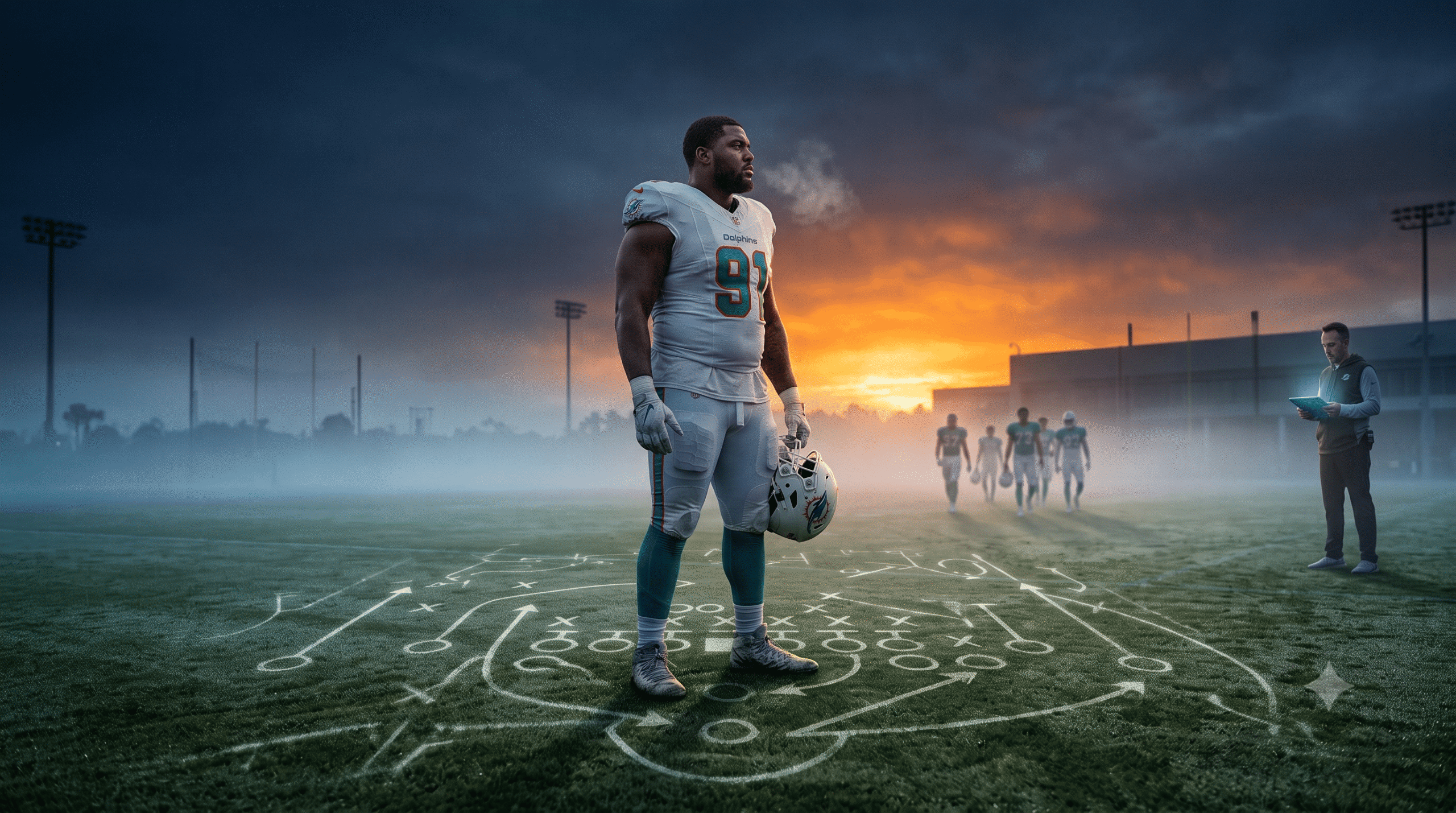
Kenneth Grant’s second season in Miami is starting with a different kind of pressure than his rookie year. In 2025, he was the first-round defensive tackle trying to prove why the Dolphins used the No. 13 overall pick on him. In 2026, he is the 6-foot-3, 335-pound interior piece who may determine whether Jeff Hafley’s first Dolphins defense can become sturdier, younger, and more physical from the middle out.
The Dolphins’ official roster lists Grant as a second-year defensive lineman from Michigan, with 15 solo tackles and two sacks in his rookie season. His player page also shows that he appeared in all 17 games, started five, and finished 2025 with 33 combined tackles, 18 assists, two sacks, and one pass defended through the Kenneth Grant roster profile. That production was not dominant, but it gave Miami a real baseline for 2026. The question now is whether Grant can move from developmental starter to interior force at the center of Hafley’s reset.
Why Grant’s Second Season Matters More Than His Draft Slot
Grant’s draft status will follow him because first-round interior linemen are expected to change games. The Dolphins selected him with the No. 13 pick in the 2025 NFL Draft, and that pick now carries extra weight because Miami’s defensive line has moved into a youth-driven transition. A July 20 Dolphins roundup noted that the defensive line began that youth movement last year when Miami selected three defensive tackles in the 2025 draft, with Grant as the first-round centerpiece.
That is why 2026 matters more than the original draft-night label. A rookie year can be explained through adjustment, strength development, snap management, and the speed difference between college football and the NFL. A second season asks a harsher question: what changed after the player understood the league?
Grant does not need to become a finished star by September. He does need to show that his size can become weekly control. Miami needs early-down resistance, short-yardage reliability, and enough pocket compression to keep quarterbacks from stepping comfortably into throws. Those are not bonus traits for Hafley’s defense. They are the foundation.
This connects with the broader Florida football development pattern that FloridaFootballLive.com has already explored in USF transfer class analysis. A roster reset only becomes meaningful when the new pieces solve real football problems. For USF, that means transfers becoming roles. For Miami, it means Grant becoming more than a promising body in the rotation.
What The Rookie Year Actually Told Miami
Grant’s rookie year was not empty, but it was uneven. His official game log shows early flashes, including four combined tackles in Week 1 against Indianapolis, five combined tackles against Cleveland in Week 7, a sack against the Chargers in Week 6, and half-sacks against Carolina and Cincinnati. The same log also shows quiet weeks where the box score barely moved, including a zero-tackle game at Atlanta and several one-tackle outings later in the season.
That is the normal tension with young defensive tackles. Interior line play is physically demanding, assignment-heavy, and difficult to measure only by tackles or sacks. A player can have a useful rep by occupying a double team. He can also disappear statistically if he gets moved off his spot or plays too high against veteran guards.
Grant’s 33 combined tackles and two sacks are enough to avoid panic. They are not enough to satisfy Miami’s long-term plan. The Dolphins drafted him to become a front-changing defender, not a low-volume rotational tackle. His 2026 season will reveal whether the last part of his rookie year was the beginning of a climb or simply a few encouraging moments inside a difficult transition.
The encouraging sign is that national and local Dolphins discussion has already shifted from “what is Grant?” to “how big can the leap be?” The July 20 Splash Zone summary framed his rookie season as one that started slowly but improved as the year continued, with the new Hafley defensive scheme raising hopes for a more complete second-year jump.
Why Jeff Hafley Needs Interior Control First
Hafley’s defensive reputation will not be built in Miami by talking about pressure packages. It will be built by whether the Dolphins can control the line of scrimmage better than they did during the previous cycle. Edge rushers, blitz looks, and coverage disguise matter, but none of those pieces work consistently if the interior gets dented on early downs.
Grant is central to that. At 335 pounds, he gives Miami rare mass inside. His college background at Michigan came in a system that valued power, gap discipline, and interior disruption. That profile fits what a defensive-minded head coach wants when trying to stabilize a team that is being rebuilt around younger players.
The Dolphins cannot ask Hafley to create a new identity if the defensive front keeps putting the secondary in bad situations. If Grant can anchor against double teams, linebackers can play cleaner. If he can force runs sideways, safeties do not need to arrive downhill as often. If he can compress the pocket without needing a blitz, Hafley can protect a young cornerback group with more flexible coverage calls.
That makes Grant’s impact bigger than his stat line. A better version of Grant could help Zach Sieler, Jordan Phillips, Chop Robinson, and Miami’s linebackers by changing how offenses block the front. A stagnant version leaves Hafley searching for answers through rotation, scheme, and personnel patches.
The Sieler Factor Makes Grant’s Jump More Urgent
Zach Sieler remains one of Miami’s most important defensive linemen, but his role also illustrates why Grant’s second season is so important. Recent Dolphins coverage has framed Sieler’s 2026 as a pivotal year under a new general manager and a younger defensive direction, with his long-term future becoming part of the larger roster conversation.
That does not mean Miami is moving away from Sieler immediately. It means the Dolphins need younger linemen to narrow the dependency gap. Sieler can still be the veteran stabilizer, but Grant needs to become one of the players who lets Miami plan beyond the older core.
The best front would not ask Sieler to carry every hard down. It would use him as the experienced technician while Grant absorbs more power assignments and Phillips handles run-focused work in the rotation. That gives Miami more flexibility across early downs, short-yardage looks, and interior pass-rush situations.
If Grant makes the jump, Sieler’s presence becomes a support system rather than a crutch. If Grant stays inconsistent, Sieler remains the player Miami leans on to cover structural problems. That is not sustainable for a team trying to reset its defensive identity.
How Grant Can Change The Run Defense
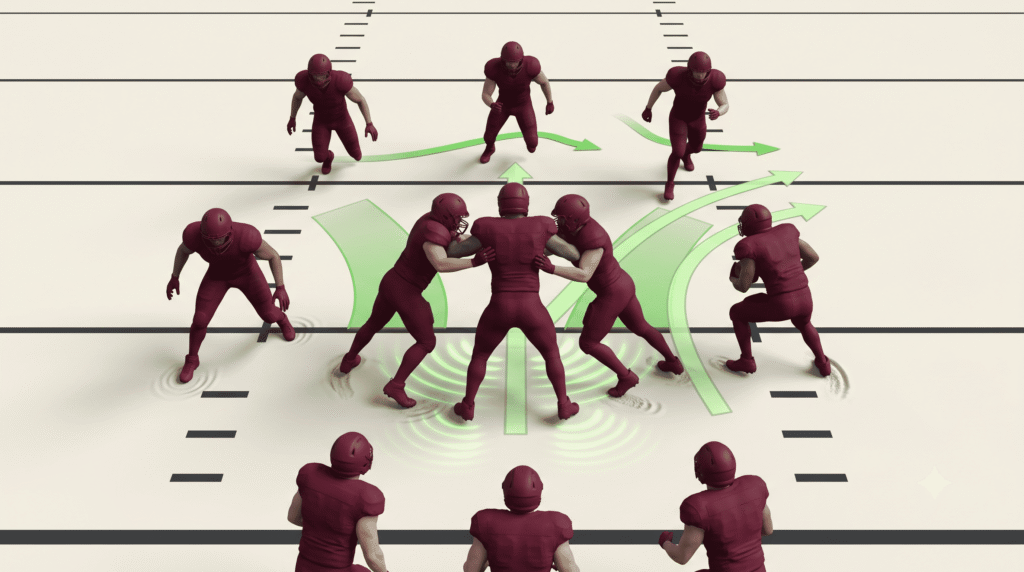
The most direct path to a Grant breakout begins against the run. Miami needs him to become harder to displace. That does not always mean making the tackle himself. It means controlling the gap, forcing the back to hesitate, and keeping blockers from climbing cleanly to the second level.
At his size, Grant should be able to make offensive lines account for him. The issue is whether he can do it with consistent pad level, hand placement, and leverage. NFL guards will not be impressed by weight alone. They will test whether he plays with balance and whether he can recover when double teams try to turn his shoulders.
A strong 2026 run-defense leap would show up in several ways:
- Fewer interior lanes opening on first down.
- More second-and-long situations created by early-down resistance.
- Better protection for linebackers flowing behind him.
- More forced bounce runs toward Miami’s edge defenders.
- More short-yardage stops where Grant controls his gap instead of chasing after the play.
That list matters because Miami’s defensive reset should not depend only on splash plays. A defense improves when it removes easy offense. Grant can do that by making inside runs less comfortable, even in games where he finishes with only two or three tackles.
The Pass-Rush Question Still Decides His Ceiling
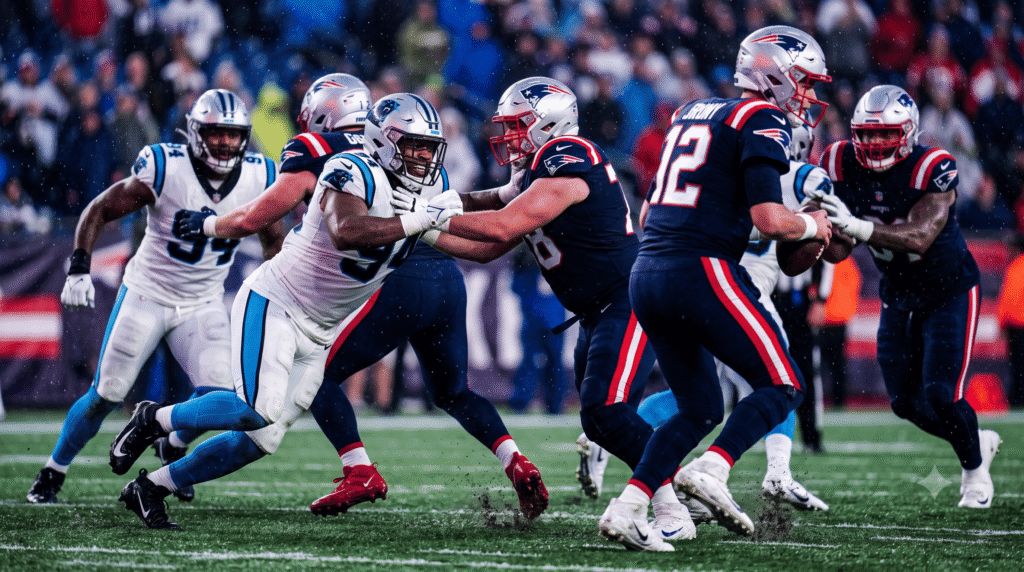
Grant’s two rookie sacks are a starting point, not a ceiling. His best pass-rush value may not come from becoming a pure sack artist. It may come from pushing the pocket into the quarterback’s lap and letting Miami’s edge rushers finish.
Interior pressure changes the geometry of a passing play. Quarterbacks can climb away from edge rush. They struggle more when the middle collapses and their platform disappears. If Grant becomes a consistent pocket pusher, Hafley can call pressure differently. Miami can rush four with more confidence, disguise coverage longer, and avoid exposing young defensive backs through constant blitzing.
The problem is that pass rush inside requires a plan. Strength is useful, but Grant needs counters. He needs to win with hands, not only mass. He needs to convert power into movement and finish when the quarterback is trapped. The difference between “big tackle who flashes” and “interior problem” is repeatability.
A realistic 2026 pass-rush jump might be four to five sacks, a larger number of quarterback hits, and more plays where the quarterback moves early because Grant compressed the pocket. That would not make him a national superstar, but it would give Miami exactly what the defense needs.
Why The Young Front Has To Grow Together
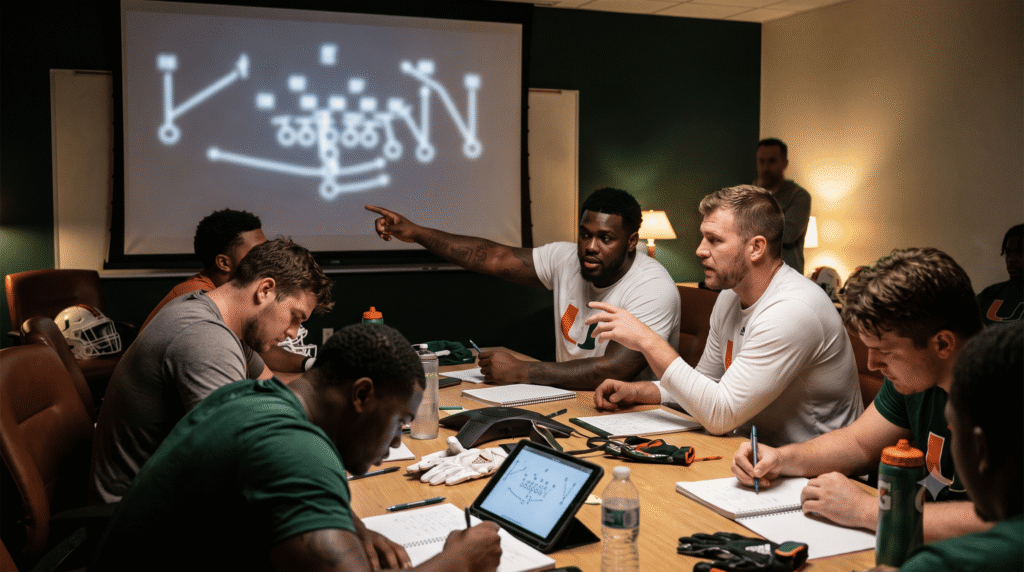
Grant’s season will not happen alone. Miami’s defensive line includes several young or developing pieces, including Jordan Phillips, who started 16 games as a rookie in 2025 and finished with 34 tackles. The Dolphins also have Chop Robinson on the edge and Sieler as the veteran centerpiece. Grant’s growth is part of a larger question: can the Dolphins build a front that improves together rather than relying on isolated individual flashes?
That is why the interior rotation matters. Phillips is more run-stuffing profile. Grant has the higher first-round ceiling. Sieler is the established veteran. Hafley’s job is to turn those different profiles into defined roles. If each player understands his down-and-distance value, Miami’s front can become more organized.
The danger is overlap without dominance. If Grant and Phillips both become early-down bodies but neither creates pressure, Miami still lacks interior disruption. If Grant focuses on pass rush but loses run discipline, the defense becomes vulnerable between the tackles. The Dolphins need his development to be complete enough that he is not an obvious tell.
That is the hidden value of a second-year leap. A more complete Grant lets Miami stay less predictable.
What A Successful 2026 Would Look Like For Grant
A successful Grant season should be measured by role, consistency, and game effect. The numbers matter, but the numbers alone will not tell the full story. A strong season might include 45 or more combined tackles, four sacks, more tackles for loss, and a clear jump in quarterback pressures. A better season would show that the Dolphins trust him on difficult downs.
That trust would be visible. Grant would play more meaningful third downs. He would be used in short-yardage defensive fronts. He would draw more double teams. He would create cleaner lanes for linebackers. He would reduce the number of plays where Miami’s defense is forced to recover after losing the first interior contact.
The Dolphins do not need him to become Chris Jones overnight. They need him to become the kind of player opponents must mention in protection meetings. If the offense has to account for Grant before the snap, Miami’s whole front changes.
That is why his second season feels so central to Hafley’s first year. A defensive reset cannot be built only on coaching vocabulary. It needs players who make the call sheet easier. Grant has the body, draft pedigree, and rookie experience to become one of those players.
Why Grant May Be The Most Important Defensive Leap In Miami
The Dolphins have several young defenders who can become breakout names in 2026. Jordan Phillips can become a steadier run defender. Chris Johnson can validate the cornerback youth movement. Chop Robinson can become a more feared edge presence. But Grant may have the most structurally important leap because of where he plays.
Interior defensive line is where defensive personality starts. If Grant becomes a true force, Miami can be more physical without becoming slower. Hafley can lean on the front without constantly protecting it. Sieler can play in a healthier role. The linebackers can play downhill. The cornerbacks can benefit from quarterbacks throwing under pressure instead of comfort.
That is the clearest case for Grant as the key to Miami’s defensive reset. The Dolphins do not simply need him to be better than he was as a rookie. They need him to help change the way the defense feels.
If Grant becomes the interior force Hafley needs, 2026 could be the year Miami’s youth movement turns into a defensive foundation. If he remains only a promising former first-round pick, the Dolphins may still be searching for the middle of their new identity.