

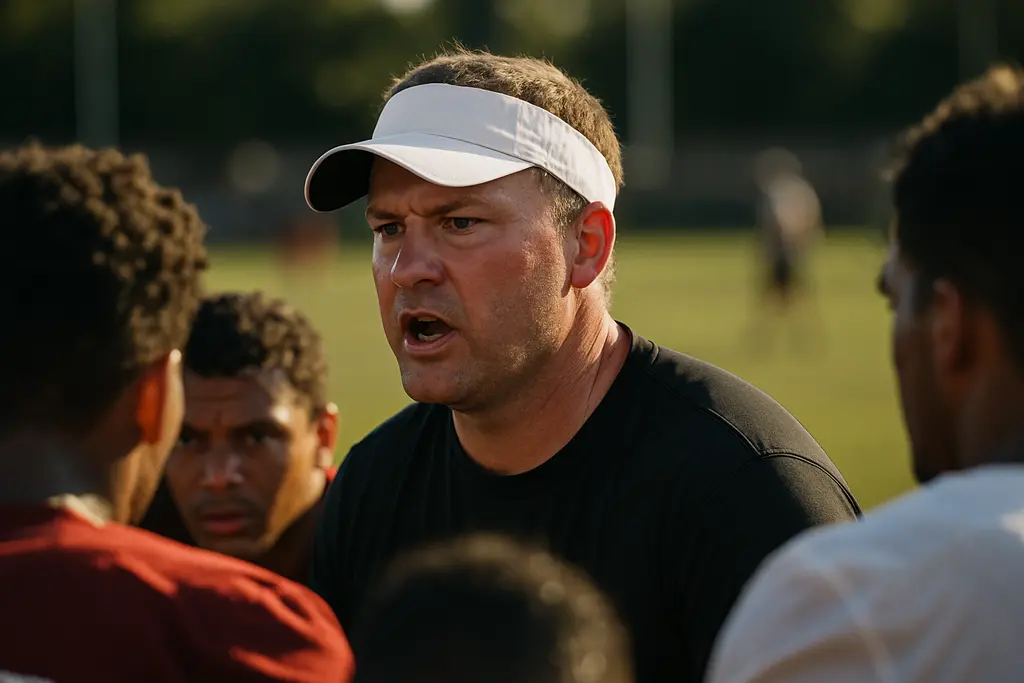
Jon Sumrall philosophy has become the center of Florida’s football reset because it gives Gainesville something clear to measure: toughness, discipline, development, and a team identity that should show up before the scoreboard does. As of October 20, 2026, the most telling part of Sumrall’s first stretch with the Gators is not one slogan or one practice story. It is the way his stated values connect to roster standards, defensive structure, offensive urgency, and the way Florida fans judge whether the program feels hard to play against again.
Florida did not hire Sumrall for a soft rebrand. The program introduced him on November 30, 2025, as Florida’s 31st head coach, and the school described his approach as rooted in toughness, discipline, and player development through his official coaching profile Florida coaching profile. Those words matter in Gainesville because they speak to a local fan base that has always responded to visible edge: cleaner tackling, stronger finishes, fewer empty possessions, and a sideline that looks connected under pressure.
How Jon Sumrall philosophy Starts With Standards
Jon Sumrall philosophy And Daily Accountability
The first layer of Sumrall’s identity plan is cultural. Florida’s public messaging around his hire leaned into toughness, discipline, and player development, and that is not accidental. A program trying to reset its tone cannot start with scheme alone. It has to start with daily expectations that players hear in winter workouts, carry into spring practice, and repeat in the middle of close games.
That matters locally because Gainesville can spot the difference between performative toughness and real competitive habits. A team can talk about grit in December, but fans see the truth in third-and-short body language, pursuit angles, red-zone focus, and whether players remain composed after a bad series. Sumrall’s philosophy is built around making those habits part of the team’s public identity, not just the coaching staff’s internal language.
Player development also gives this approach staying power. Florida cannot build a hard-nosed identity only through one signing class or one transfer group. Sumrall’s pitch, as reflected by the school’s own description, centers on improving the players already inside the building while recruiting athletes who fit the same standard. That is where a gritty identity becomes more than a mood. It becomes a depth-chart filter.
Why The Message Fits Gainesville
Florida football lives in a demanding local market. The fan base is close enough to the program to notice practice clips, staff comments, body language, and whether Saturday performance matches weekday language. Sumrall’s emphasis on toughness gives fans a simple question to ask every week: did Florida play like a team that made opponents uncomfortable?
That question does not require inflated hype. It is practical. Did the defensive front win enough early downs? Did the offense chase explosive chances rather than settle into caution? Did the roster handle road stress? Did special teams avoid hidden-yardage mistakes? In a college town where football drives weekend energy, hotel demand, restaurant traffic, and family routines, identity is not abstract. It shapes how people talk about the team from Monday morning through kickoff.
Defensive Shape And Daily Edge
A 3-4 Front With Pressure Intent
Sumrall arrived in Gainesville with a defensive background, and the planned shift to a 3-4 structure has been one of the clearest football changes tied to his tenure. Yahoo Sports reported that Sumrall planned to use a 3-4 defensive scheme at Florida, after that structure had performed well during his Tulane tenure, especially against the run and in sack production defensive scheme report. That detail gives the identity conversation a football backbone.
A 3-4 defense can do several things for a team trying to look faster and more disruptive. It can disguise pressure, move linebackers into different stress points, and ask offenses to identify rushers after the snap rather than before it. The scheme is not magic by itself. It demands communication, clean fits, and defensive players who can handle assignment stress. But it aligns with the edge Sumrall wants Florida to show.
For fans, this is where Jon Sumrall philosophy becomes visible from the stands. A pressure-based defense looks different than a cautious one. It forces quicker decisions. It turns second-and-long into a weapon. It asks the crowd to feel involved because false starts, hurried throws, and broken protections feed directly off noise and tempo. In Gainesville, that connection between defensive aggression and crowd energy has always mattered.
Takeaways As A Cultural Signal
The numbers from Sumrall’s head-coaching run before Florida support why the Gators leaned into his defensive identity. Across his four seasons as a head coach from 2022 through 2025 at Troy and Tulane, his teams produced more than 150 sacks, more than 90 takeaways, and finished with a positive turnover margin each year, according to Florida’s official profile. Those figures fit the message: pressure is not only about sacks; it is about forcing mistakes and turning effort into extra possessions.
Turnovers also change the emotional rhythm of a home game. A takeaway near midfield can lift the student section, reset a stalled offense, and make visiting teams feel the stadium closing in. That is part of why Sumrall’s defensive approach matters beyond chalkboard discussion. It gives Florida fans a style they can recognize without needing a play sheet.
Offense, Special Teams, And Player Fit
Aggression Is Not Just A Defensive Word
Sumrall’s identity plan is not limited to defense. Florida’s official coaching profile includes his statement that, at Florida, having an explosive offense is not optional but mandatory. That is a significant piece of the reset because a gritty team does not have to be conservative. In fact, the best version of Jon Sumrall philosophy pairs defensive pressure with an offense that punishes short fields and creates stress of its own.
That point matters for a fan base that wants physical football without surrendering speed. Florida supporters do not need every possession to be reckless. They do expect a plan that attacks space, creates explosive plays, and avoids giving opponents time to settle. Sumrall’s public standard for offense makes that expectation part of the program identity rather than a side note.
Special teams also fit the same standard, even when they get less attention. A tough program should treat field position, coverage lanes, returns, and operation speed as identity plays. Fans may remember touchdowns first, but coaches know hidden yardage often decides the kind of games that test culture. If Sumrall’s Gators are going to be known for grit, all three phases have to carry the same edge.
Why Fit Matters More Than Slogans
The most durable coaching identities are built around players who can execute them. Florida’s emphasis on player development under Sumrall points in that direction. A 3-4 defense needs linebackers who can diagnose quickly. An aggressive offense needs timing, spacing, and confidence. A disciplined team needs reserves who can enter without causing assignment breakdowns.
That is why roster depth is tied to local belief. Fans in Gainesville do not only react to the first drive or the starting lineup. They track whether the second wave holds up, whether young players improve, and whether the team looks more mature in late-game moments. For more on how Sumrall’s standards have been framed around Florida’s broader team identity, this local analysis of Jon Sumrall strategies connects the same themes to Gainesville expectations.
Why Gainesville Has Felt The Shift
Road Results Add Weight To The Message
One reason Sumrall’s approach carries credibility is that his prior teams handled difficult settings well. Florida’s official profile credits his teams since 2022 with a 14-2 record in road conference games, 18 total road victories, and a 29-4 record in October, November, and December games. Those results matter because they point to late-season discipline and road composure, two traits Florida fans value when judging whether a team is built to last.
Road performance is a direct test of identity. Crowd noise, travel timing, unfamiliar routines, and momentum swings can expose teams that rely only on emotion. A team that travels well usually has structure. It communicates. It does not let one mistake become three. That fits the gritty profile Sumrall has pushed in Gainesville.
Fans Recognize Work They Can See
Local football culture rewards proof. Fans can accept growing pains when the shape of the work is visible. They are less patient with vague promises. That is why Sumrall’s clearest advantage as a program builder may be the directness of his message. Toughness. Discipline. Development. Explosive offense. Pressure defense. Those are easy to understand, and they are easy to audit from the stands.
There is also a community layer. A Florida team with a clear identity changes the tone around Gainesville. It affects alumni weekends, student energy, restaurant conversations, and the way families plan fall Saturdays. The Gators do not exist in isolation from the city. When the team plays with a recognizable edge, the whole football week feels more connected.
What Jon Sumrall Philosophy Means For Florida
Jon Sumrall philosophy gives Florida a direct path back to a recognizable football personality. The plan is not built on mystery. It is built on standards that can be tested: toughness in contact, discipline under stress, pressure on defense, explosive intent on offense, and steady player development across the roster.
For the Gators, the challenge is sustaining that identity after the first wave of enthusiasm fades. Culture is proven in repeat behavior. If Florida keeps producing pressure, winning situational football, developing depth, and showing road toughness, the phrase will become more than a coaching label. It will become the way Gainesville describes its team again.