

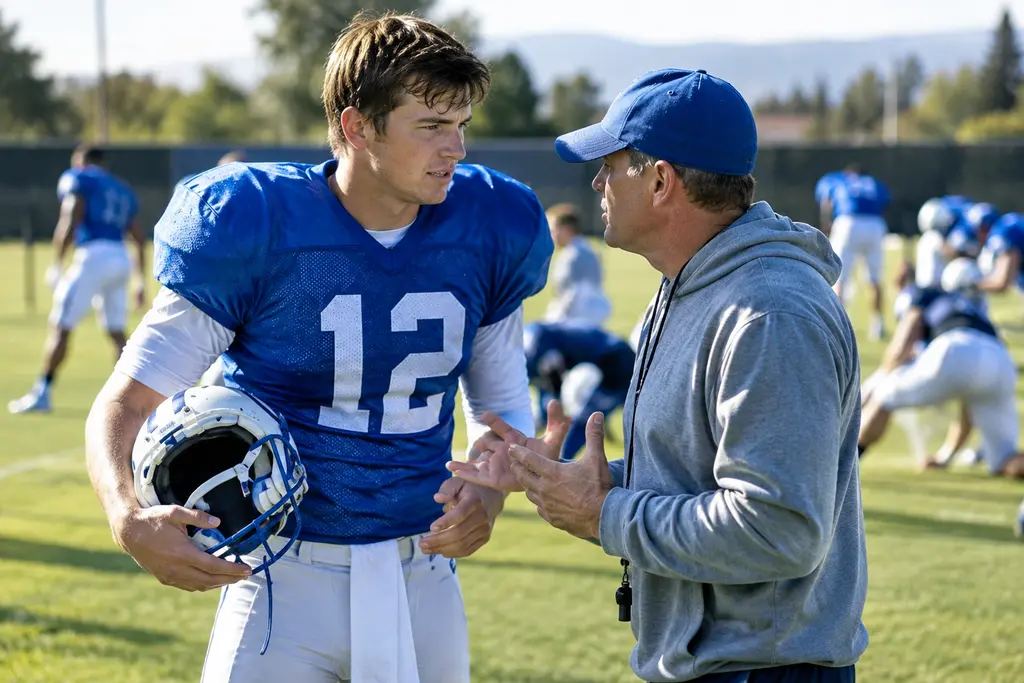
Gators Roster Adjustments became the central football story in Gainesville after Aaron Philo’s shoulder injury changed Florida’s quarterback plan during the second half of October 2026. The Gators went from an injury-forced reset against Texas on October 17 to a same-week evaluation cycle before the scheduled October 31 rivalry game against No. 3 Georgia. For a local fan base already tracking every practice note, the question was not only who would take the first snap. It was how Florida could keep its offense organized after two weeks of uncertainty at the position that sets the tone for every huddle.
Philo suffered a right shoulder injury during Florida’s 38-19 home loss to South Carolina on October 10, 2026, and both Philo and Tramell Jones Jr. appeared as questionable on Florida’s initial injury report before Georgia, according to a Yahoo Sports injury report. CBS Sports then reported on October 30, 2026, that Philo was confirmed to start against Georgia, with Jones available as the backup; the same report listed Philo’s season line at 1,341 passing yards, nine touchdowns and three interceptions over six starts before the injury CBS Sports reported.
Gators Roster Adjustments Start At Quarterback
Why Gators Roster Adjustments Changed The Room
The quarterback room moved from a clear starter structure to a week-by-week health discussion after October 10. Philo had earned the first-unit role earlier in the year, but his shoulder injury forced Florida to test the next layer of its depth chart. That kind of change affects more than the player taking snaps. It changes practice distribution, receiver timing, protection calls, sideline communication and how coaches manage risk on early downs.
Gators Roster Adjustments did not mean Florida abandoned its plan. The available reporting points to a staff trying to preserve options. Philo’s return placed the original starter back in front of the offense, while Jones’ experience from the Texas game gave Florida a backup with recent live-game command. That matters against Georgia because rivalry games often punish hesitation. A quarterback room with two prepared players gives the staff a cleaner way to respond if soreness, contact or performance forces another change.
What Philo’s Return Means For Practice
Philo’s confirmed return before the Georgia game gave Florida a clearer practice center. Even without public access to every rep split, the roster logic is easy to understand. A returning starter needs timing with primary receivers, comfort with the call sheet and enough work against pressure looks to test whether the shoulder can handle the demands of the offense. The staff also has to avoid overloading him before kickoff, because a quarterback coming back from an injury can be available and still require careful management.
For fans in Gainesville, that is the real tension. A starting announcement is not the same thing as a full return to normal rhythm. Florida had to prepare for Georgia with Philo as the lead option while keeping Jones ready enough to function without a long warm-up period. That is not a dramatic storyline; it is the practical work of roster management after an injury interruption.
How The Backup Plan Stayed Active
Jones Kept Florida Functional
Jones became central to the staff’s planning after Philo was unavailable for the October 17 game against Texas. The supplied record says Jones made his first collegiate start that day and helped Florida win the upset by completing 22 of 35 passes for 155 yards and two touchdowns, while also rushing 10 times for 41 yards. That performance matters because it gave Florida more than an emergency option. It gave the offense a quarterback who had already handled the week of preparation, the first series and the pressure of a tight in-game environment.
That changes how a coaching staff can build contingency plans. If Jones had not played meaningful snaps, Florida’s backup structure against Georgia would have been mostly theoretical. Instead, the staff had recent film showing where Jones was comfortable, how he handled down-and-distance situations and which calls fit his tempo. The Gators still had to prepare around Philo’s return, but Jones’ Texas start gave the room a sturdier second layer.
Warner And Griffin Remained Emergency Options
The depth conversation did not stop with Philo and Jones. Coach Jon Sumrall’s public comments, as reflected in the available reporting, identified redshirt junior Aidan Warner and true freshman Will Griffin as the third-string options if both primary quarterbacks were unable to play. That is a difficult spot for any staff, especially in a rivalry week, because emergency quarterbacks need enough practice time to operate the basics without taking too much work from the players most likely to appear.
This is where roster depth becomes a local sports story rather than a depth-chart footnote. Florida fans tend to track quarterback competition closely, and the October injury sequence gave that discussion fresh urgency. For background on how the quarterback room had already shaped the program’s fall, our earlier piece on the Florida Gators quarterback competition fits the same thread without overstating what the staff has revealed publicly.
Skill Positions And Play-Calling Pressure
Receivers Have To Match The Quarterback Plan
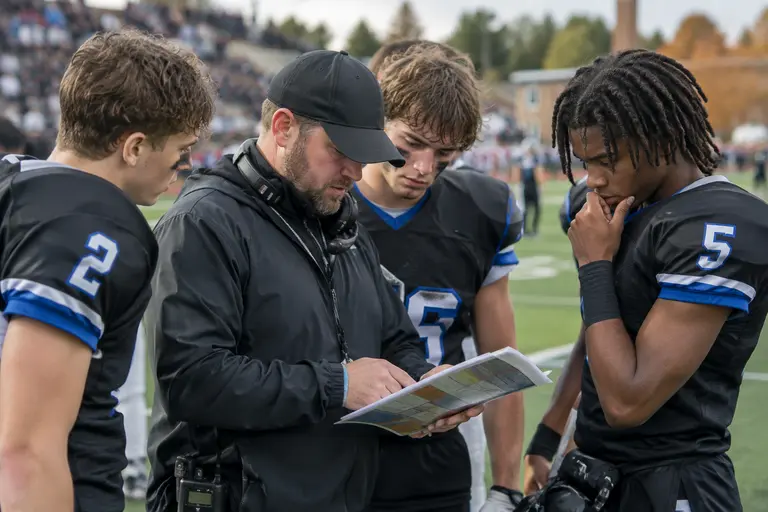
Quarterback health influences the rest of the offense because route timing depends on trust. A starter returning from a shoulder injury may need throws that establish rhythm early. A backup who has recently started may need calls that allow him to settle quickly if he enters. Either way, receivers have to be ready for slightly different ball placement, timing and scramble behavior. That is not a criticism of either quarterback. It is part of keeping an offense usable when the lead passer has missed time.
The verified source set for this report is strongest on the quarterback room, so any broader injury read should be handled with care. What can be said safely is that Florida’s offensive staff faced a compressed preparation window. Once the quarterback status shifted from questionable to Philo starting, the staff still had to balance the call sheet for two realistic quarterback paths. Quick-game concepts, controlled movement throws and manageable third-down distances all become more valuable when a team wants to protect both rhythm and depth.
The Run Game Can Reduce Strain
A healthy rushing structure can help any quarterback situation, but it becomes even more valuable when the starter is returning from injury. Florida did not need to turn the Georgia preparation into a quarterback-only exam. The better path was to make the full offense carry weight: offensive line communication, running back reads, perimeter blocking and field position. If those pieces hold up, the quarterback is not asked to solve every possession with high-risk throws.
That is why Gators Roster Adjustments should be viewed as a team-wide process. Philo’s return was the headline, Jones’ availability was the insurance, and the rest of the offense had to reduce the burden on both. A rivalry opponent such as Georgia can stress protection rules and punish negative plays, so Florida’s best preparation likely depended on keeping the game plan clear and avoiding situations where a quarterback change would force a total offensive rewrite.
Why Gators Roster Adjustments Matter Against Georgia
The Local Fan Read
For Gainesville, this quarterback injury did more than alter a depth chart. It shaped the mood around one of Florida’s most important annual games. Fans had already watched the offense shift after the South Carolina loss, then saw Jones step in against Texas. By October 30, the Philo confirmation gave the fan base an answer, but not a guarantee that every concern had disappeared. That is the honest way to read a return from injury before a physical rivalry game.
The most important part of Gators Roster Adjustments before Georgia was Florida’s ability to avoid panic. The Gators had a returning starter, a backup with a recent win on his résumé, and emergency options identified publicly by the head coach. That does not predict the result. It does show a roster trying to stay functional under pressure, with quarterback health, practice reps and fan expectations all meeting at the same point on October 31, 2026.