

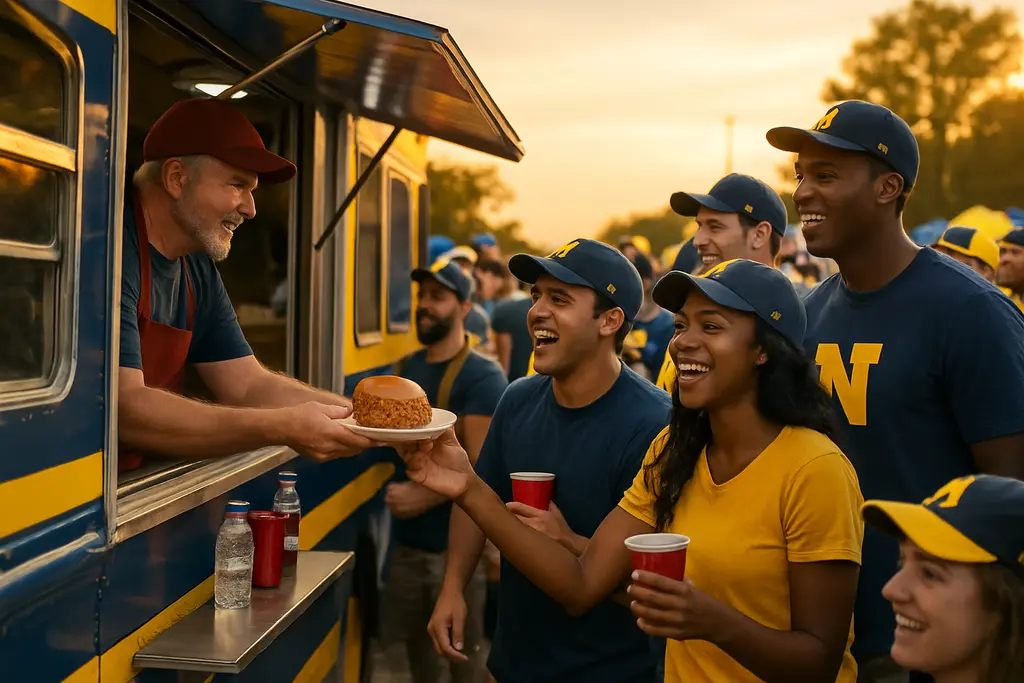
Gainesville Game-Day Food is more than a pregame plate or a postgame stop. Around Florida Gators home games, it becomes part of how the city absorbs thousands of visitors, feeds returning alumni, serves students’ families and gives local restaurants one of their clearest sports-driven sales windows. The story starts at Ben Hill Griffin Stadium, but it stretches into cafes, counter-service spots, hotel breakfast rooms, campus-adjacent bars, food trucks and neighborhood restaurants that adjust their rhythm around kickoff.
The strongest verified data in the provided research comes from University of Florida economic impact reporting and a federal housing market analysis for Gainesville. Those sources do not break out every restaurant tab or cafe receipt, so the exact food-and-drink total tied only to football Saturdays remains uncertain from the approved source set. What they do show is enough to explain why local operators treat home weekends differently: UF attracts major venue traffic, athletics drives a meaningful share of visitor spending and the football stadium creates one of the largest recurring crowd patterns in North Central Florida.
How Gainesville Game-Day Food Starts At Kickoff Week
Gainesville Game-Day Food And The Stadium Flow
Food demand around a Gators home game begins well before the band, the team walk or the first snap. It often starts when families arrive Friday, when alumni book hotel rooms, when students bring visitors toward Midtown and downtown, and when fans plan where they can eat without losing time to traffic. For local restaurants, that means a home weekend is not one meal period. It can be a rolling sequence of Friday dinner, Saturday breakfast, pregame lunch, quick-service takeout, late-night meals and Sunday brunch.
That is where Gainesville Game-Day Food connects directly to sports culture. Fans do not simply need food; they need food that fits the football schedule. A noon kickoff puts pressure on breakfast and early lunch. A late afternoon kickoff can stretch patio service and bar traffic. A night game can create a long day of small orders, group tabs and postgame crowds. Local businesses that understand those patterns can staff earlier, prep more portable menu items and build service plans around waves of orange and blue moving through town.
Why Visitors Extend The Meal Window
Gators fans often arrive from outside Gainesville, and that visitor profile changes the local food economy. A resident may eat at home before walking toward campus. A traveling fan is more likely to buy coffee, lunch, dinner, snacks and hotel-adjacent meals across the weekend. The larger the visiting crowd, the more the food scene benefits from spending that would not have happened on a normal local Saturday.
That visitor effect is why game-day food should be viewed beside lodging, parking and campus access. A full restaurant before kickoff may be tied to a booked hotel. A packed cafe Sunday morning may be tied to fans delaying the drive home. A counter-service shop near a shuttle route may benefit from people who chose transit over campus parking. The plate is local, but the spending pattern is regional.
The Numbers Behind Local Sports Spending
Athletics As A Visitor Spending Driver
UF’s fiscal year 2023-24 economic impact reporting gives the clearest wide-angle view. The university reported $306.78 million in non-resident visitor spending at UF venues across athletics, cultural, educational and health or medical event types, with athletic events accounting for 28% of that visitor spending UF economic impact. That is not a restaurant-only figure, and it covers more than football. Still, it places athletics firmly inside the visitor economy that local food businesses serve.
The same UF reporting connects the institution’s activity to employment across the state and in Alachua County. The research notes cite approximately 134,422 jobs supported statewide in fiscal year 2023-24, with nearly 100,169 in Alachua County. Food service, hospitality and retail are part of the broader network that benefits when a campus event pulls people into town. The football team supplies the visible Saturday draw, but the effect is carried by workers taking orders, stocking kitchens, cleaning hotel rooms, driving shuttles and serving late crowds.
Ben Hill Griffin Stadium Sets The Crowd Pattern
The scale of Gators football matters because Ben Hill Griffin Stadium is not a small venue. A federal housing market analysis for Gainesville listed the stadium capacity at about 89,000 and noted that recent average Gators football attendance filled more than 96% of seats in 2019 Gainesville housing market analysis. That kind of recurring audience flow can reshape a Saturday for businesses near campus and along the routes fans use to enter and leave town.
For a restaurant owner, a crowd that large is not just a potential rush. It is a planning challenge. Too little inventory means missed sales. Too much inventory can hurt margins if weather, kickoff time or the opponent changes traffic patterns. Too few staff members can slow service and push customers elsewhere. Too many can cut into profits if the crowd arrives later than expected. The best local operators treat the Gators schedule almost like a second calendar layered over the normal business week.
What Restaurants And Cafes Gain On Home Weekends
Staffing, Prep, And Short Windows
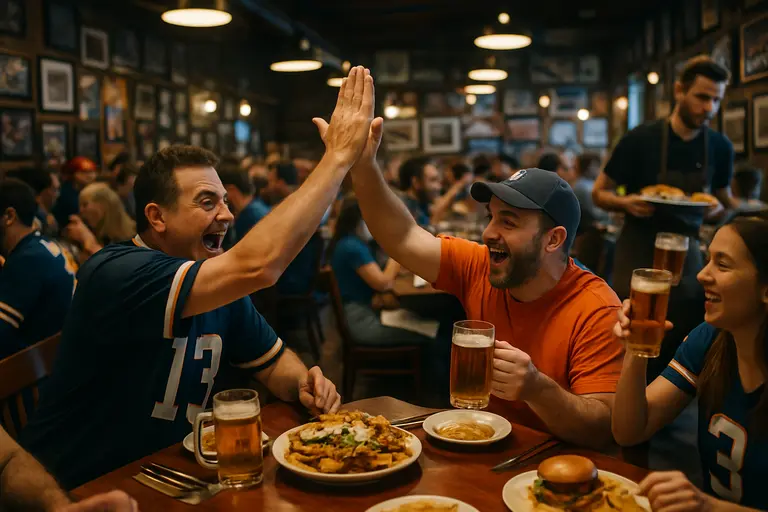
The food scene’s biggest opportunity on home weekends is volume packed into short windows. A cafe can see its line form earlier than usual because fans want coffee before tailgating. A sandwich shop can lean on takeout because groups need food they can carry. A bar or casual restaurant can benefit from fans who want one fixed meeting spot before walking closer to the stadium. None of that is automatic. Service speed, menu clarity and location all shape who captures the rush.
Home games can also help businesses introduce themselves to customers who may return outside football weekends. A family visiting a student may find a brunch spot and come back during graduation. Alumni may build a routine around the same counter or bar each trip. A visiting fan may associate Gainesville with a specific meal as much as with a specific play. Sports create the reason to travel; food often creates the memory that brings people back.
Hotels, Shuttles, And Walkable Food Stops
Food spending is closely tied to how fans move. Hotel clusters push breakfast and dinner demand into nearby restaurants. Shuttle routes can make certain corridors more attractive before and after games. Walkable blocks near campus can gain from fans who would rather eat than sit in traffic. The approved sources do not provide a restaurant-by-restaurant map of sales, but the crowd size and visitor spending figures explain why operators pay close attention to traffic patterns.
This is also where Gainesville’s broader sports identity shows up. The same fan movement that supports restaurants also supports lodging, retail and local transit. For readers tracking the bigger picture, our related look at Gators game-day tourism connects those pieces across hotel demand, visitor spending and local sports culture.
- Pregame demand: coffee, breakfast, grab-and-go meals and early lunch near campus routes.
- Postgame demand: late dinner, group seating, quick service and hotel-adjacent food stops.
Why Gainesville Game-Day Food Defines Home Saturdays
The Local Identity Around The Plate
Gainesville Game-Day Food matters because it turns a football schedule into a community rhythm. The Gators bring the crowd, but local businesses shape how that crowd experiences the city. A smooth meal before kickoff can set the tone for a family’s visit. A reliable postgame stop can become part of an alumni tradition. A small cafe that handles the rush well can become part of the Saturday routine for fans who return for years.
The data supports the larger point: UF events bring major visitor spending, athletics accounts for a large share of that activity and Ben Hill Griffin Stadium creates a crowd pattern few local events can match. The exact food-only total for football Saturdays is not isolated in the approved source set, so the responsible read is measured rather than inflated. Still, the connection is clear enough for anyone who has watched Gainesville change on a home weekend. Gators football fills the streets, and the city’s restaurants, cafes and food vendors help turn that movement into local business.