

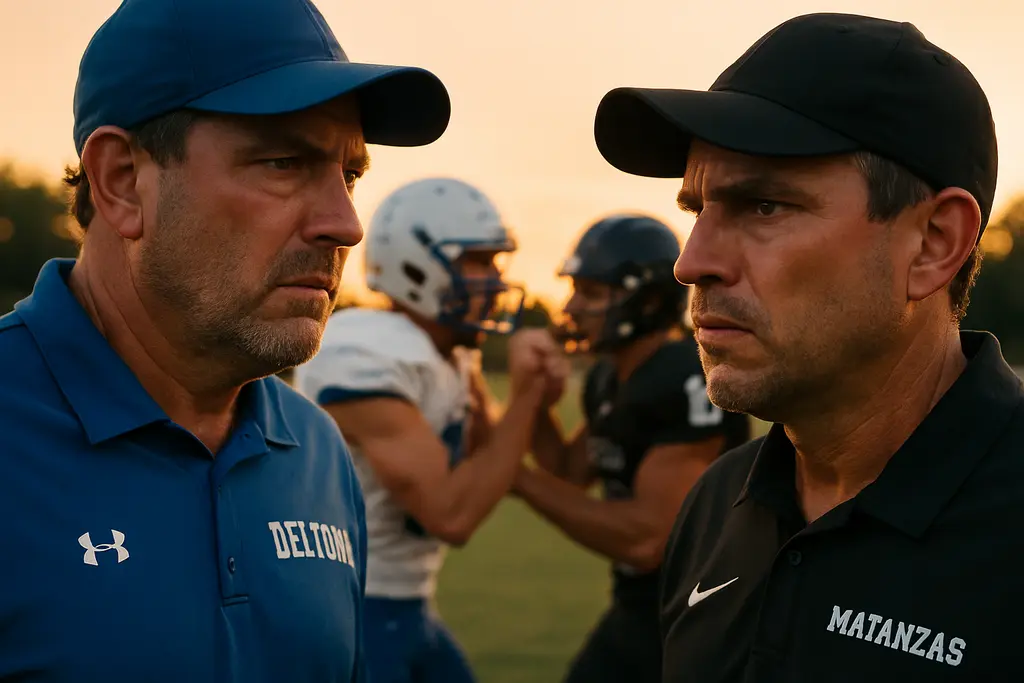
The Deltona Matanzas Brawl turned a Region 3 high school football result into a wider lesson on sportsmanship, team control and community trust. On October 1, 2026, Deltona defeated Matanzas 21-12 at Matanzas High School in Palm Coast, with Deltona improving to 3-3 and Matanzas falling to 1-5, according to MaxPreps game data. The score mattered, but the postgame scene became the part that carried beyond the field.
The brawl occurred after the final whistle during the handshake line. Research from the game account said a Matanzas player shoved a Deltona player, pushing him out of the line and onto the ground, and multiple fights involving players from both teams followed. Coaches, administrators and Deputy Sheriffs separated the teams after a melee reported to have lasted about 90 seconds. For two programs representing Volusia and Flagler County communities, the lasting damage was not only disciplinary. It also touched the shared belief that high school football should build discipline, not break it after the clock hits zero.
Deltona Matanzas Brawl And The Cost Of Lost Composure
Deltona Matanzas Brawl Shifted The Story
The Deltona Matanzas Brawl changed how the game was remembered because it came after a physical, mistake-filled contest. Matanzas had five turnovers, including three lost fumbles and two interceptions. The Pirates also had special teams issues, including a missed punt snap, a blocked first extra-point attempt and a failed two-point conversion. Those details matter because frustration often builds from a string of failed possessions, penalties and missed chances.
The game also included unsportsmanlike conduct penalties before the handshake line incident. At least one Matanzas player was ejected for an apparent punching motion during a tackle. That sequence suggests the postgame fight did not appear out of a calm setting. The warning signs were already part of the game flow. For coaches, that is the part worth studying: once emotions begin spilling into penalties and ejections, the handshake line needs active management, not routine assumptions.
Handshake lines are meant to reset rivalry into respect. They are also crowded, emotional and difficult to manage when players have just spent four quarters colliding at full speed. That does not excuse what happened. It does explain why adult supervision, spacing and quick intervention matter, especially after games where tempers have already been tested.
What The Scoreboard Could Not Contain
Deltona left Palm Coast with a 21-12 win, but the result became secondary once the disciplinary process began. That is a hard lesson for players. A team can win the game and still lose part of its season’s opportunity if postgame conduct crosses the line. A team can be frustrated by turnovers and still be held to the same standard once the final whistle blows.
The football lesson is clear. Composure is not a soft skill. It affects field position, eligibility, team reputation and postseason access. Coaches talk about discipline in terms of snap counts, tackling angles and ball security, but the October 1 game showed that discipline also includes how players walk through a handshake line after a tense loss or win.
How FHSAA Penalties Changed The Season
Restrictive Probation Sent A Direct Message
On October 8, 2026, the Florida High School Athletic Association imposed penalties on both programs. Deltona and Matanzas were placed on restrictive probation, making both teams ineligible for the 2026 postseason, as reported by Sports Illustrated High School. That punishment turned a 90-second postgame fight into a season-altering outcome.
The FHSAA’s probation policy allows restrictive probation to include limits on championship competition or other restrictions deemed appropriate by the executive director for one or more calendar years. In practical football terms, the ruling removed the chase that gives October high school games their edge. Players who had worked through summer practices, weekly preparation and injury risk saw postseason goals erased because the standard after the game was not met.
This is where the Deltona Matanzas Brawl becomes bigger than one handshake line. The penalty showed that sportsmanship enforcement in Florida high school football is tied to competitive access. The message was not only about suspensions or school discipline. It was about the postseason, the part of the season that players, families, bands, student sections and local supporters circle as the reward for the grind.
Why Equal Accountability Matters
Both schools were punished, which reflects the shared responsibility that comes when a fight spreads across teams. That does not mean every player had the same role. It means the incident reached a team level, and the consequences did too. For local communities, that can feel harsh, especially for athletes who may not have been directly involved. Still, team sports often assign collective cost to collective breakdowns.
There is an uncomfortable lesson there for captains and seniors. Leadership is not limited to pregame speeches or sideline encouragement. It includes pulling teammates away, recognizing when an opponent is trying to provoke a reaction and understanding that cameras, officials and administrators all remain part of the game environment after the horn sounds.
Sportsmanship Lessons For Local Programs
Coaches Need A Postgame Plan
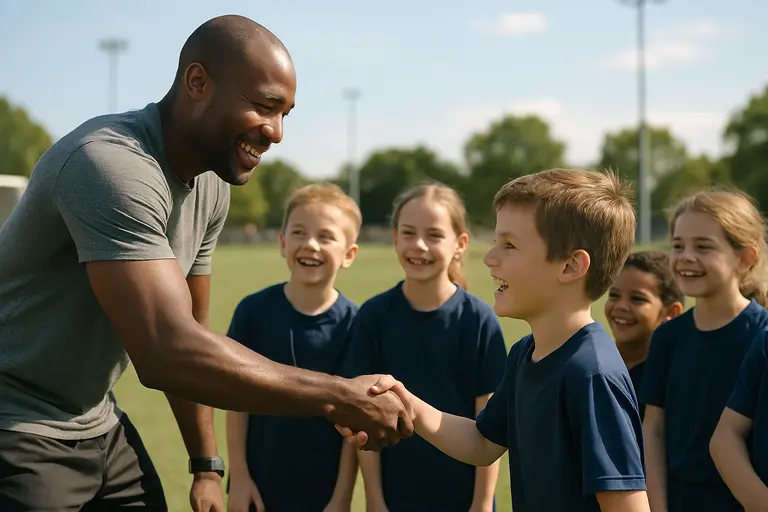
The Deltona Matanzas Brawl should push local programs to treat the postgame period as part of game operations. Warmups are scripted. Coin toss procedures are known. Substitution packages are planned. The handshake line should receive the same attention after heated games.
A practical plan does not need to be dramatic. It can include coaches walking near position groups, administrators stationed between teams, captains told before the fourth quarter how the line will move and a clear instruction that players who cannot control themselves should be removed from the line before contact occurs. Schools can also decide that certain rivalry or high-tension games require modified postgame procedures, as long as those choices are coordinated with administrators and officials.
- Assign coaches to specific position groups before the final whistle.
- Keep captains close to staff during the handshake line.
- Move players with prior unsportsmanlike penalties away from flashpoints.
- Have administrators and security visible before emotions spill over.
- Review postgame expectations during the week, not only after problems occur.
Those steps do not remove accountability from athletes. They support it. High school players are still teenagers, and football asks them to play with force and emotion. Adults are responsible for setting the structure that helps that emotion land in the right place.
Players Carry The Local Jersey
For Deltona, the win should have been a sign of progress toward balance after a 3-3 start. For Matanzas, the loss fit a difficult 1-5 record but also included areas coaches could have used as teaching points: turnovers, special teams execution and composure under pressure. Instead, both programs had to answer for what happened after the game.
That is the part that local fans understand quickly. In high school sports, the team is not separate from the school. Players represent classmates, parents, youth football teams, teachers and neighborhoods. A postgame fight can follow a program longer than a single result, especially in a region where opponents, families and officials see one another again across seasons and sports.
Community Trust After The Deltona Matanzas Brawl
Families And Fans Feel The Fallout
The Deltona Matanzas Brawl also affected the people outside the uniforms. Parents plan their weeks around practices and games. Students build Friday nights into school identity. Local supporters follow teams because the players are sons, brothers, classmates and neighbors. When a game ends in a fight, the disappointment reaches well beyond the final score.
That community reaction matters because high school athletics rely on trust. Families trust schools to provide structure. Schools trust coaches to teach more than schemes. Coaches trust players to control themselves when the moment gets emotional. Fans trust that a postgame tradition meant to show respect will not become unsafe. Once that trust is shaken, it has to be rebuilt through visible standards, not just statements.
For both programs, the response after October 8 became part of the season story. The strongest answer is not a slogan. It is the daily work of restoring standards at practice, in film sessions, on the sideline and in every postgame moment that follows.
What This Means For Florida High School Football
Florida high school football is built on local pride, but pride without restraint can damage the same programs it is meant to lift. The October 1 game in Palm Coast showed how fast frustration can move from penalties to a fight, and how fast a fight can move from a local incident to a statewide warning.
There is still room for fierce football. There is room for rivalry, hard tackling and emotional wins. But the line is clear: once competition turns into postgame violence, players risk more than reputation. They risk eligibility, postseason access and the trust of the people who support them. The lasting lesson from the Deltona Matanzas Brawl is that sportsmanship is not separate from winning. In high school football, it is part of whether a season gets to keep going at all.