

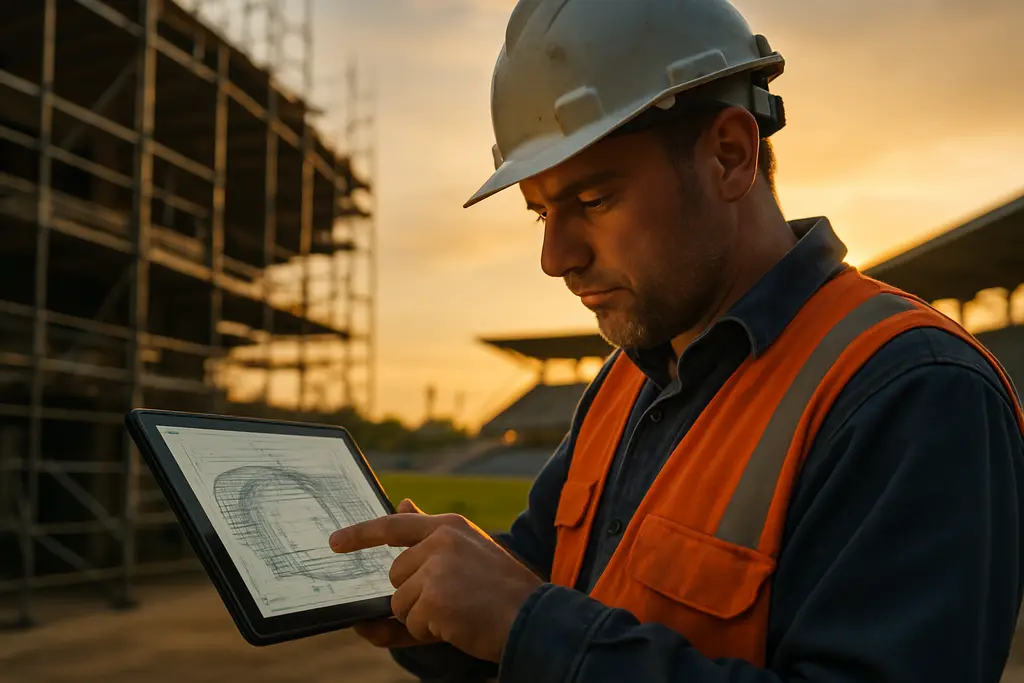
FAMU Stadium Repairs did more than shore up Bragg Memorial Stadium. They gave Tallahassee a clear case study in how a college football venue can connect construction work, local wages, alumni travel, neighborhood businesses, and the emotional pull of Rattler football Saturdays. For a city where Florida A&M athletics sits close to civic identity, the repair project mattered both as infrastructure and as a sports economy signal.
The cleanest public baseline comes from the CEFA input-output analysis prepared for the Bragg Stadium Repair & Replacement project. That analysis tied $10 million for phases 1-3 of the work to 166 total jobs, including 66 direct construction jobs and 100 indirect and induced jobs, with about $7.67 million in wages and income and about $26.04 million in total economic output in the Tallahassee Metropolitan Statistical Area CEFA impact analysis. Those numbers are not abstract for local sports. They describe the labor and spending chain behind a safer, more usable home for FAMU football.
What FAMU Stadium Repairs Meant For Tallahassee
Bragg Memorial Stadium As A Local Sports Anchor
Bragg Memorial Stadium is not just a set of bleachers around a football field. It is where alumni plan reunions, families build fall routines, bands and student groups shape the atmosphere, and visiting fans spend money in Tallahassee before and after games. The 2020 funding approval from the Blueprint Intergovernmental Agency sent $10 million toward beginning the stadium renovation work, according to FAMU Athletics FAMU funding announcement.
For sports analysis, that matters because venue condition affects more than comfort. It shapes whether fans trust the building, whether families return, whether alumni weekends keep their pull, and whether game-day operations can handle the crowd patterns tied to college football. A stadium that feels cared for can strengthen the bond between team and city. A stadium that feels neglected can weaken that connection before kickoff ever arrives.
Repair Work With A Team-Dynamics Angle
Facilities also influence team identity. Coaches and players rarely talk about stadium repairs as loudly as recruiting, depth charts, or conference schedules, but a home venue sends a message. It tells athletes whether the program is being supported. It tells visiting opponents what kind of environment they are entering. It tells recruits and families that football Saturdays are backed by more than tradition.
That is why FAMU Stadium Repairs should be understood as part of the competitive setting around Rattler football. The project did not throw passes, make tackles, or call third-down plays. Still, it supported the stage where those moments happen, and that stage has direct ties to attendance, alumni loyalty, and local spending.
Jobs, Wages, And Game-Day Spending
FAMU Stadium Repairs And Construction Jobs
The job figures attached to the repair project show how sports infrastructure moves through a local economy. CEFA’s analysis separated the 166 total jobs into direct construction employment and broader indirect or induced employment. Direct jobs are the most visible: workers tied to the repair and replacement phases. Indirect and induced jobs reflect the wider chain, including supplier activity and spending by workers whose income came from the project.
For Tallahassee, FAMU Stadium Repairs were a reminder that athletics spending can affect people who may never take a snap or sit in the student section. Construction crews, vendors, service providers, restaurants, hotels, and retail corridors can all feel pieces of a stadium project or a football weekend. The sports event is the public face. The employment pattern is the quieter local story behind it.
Why Out-Of-County Fans Matter
The recurring piece is game-day travel. In a typical fully functioning FAMU football year, games at Bragg Stadium were estimated to bring in about $7.3 million in direct spending from fans visiting from outside Leon County, and that spending supported roughly 132 jobs and about $3.6 million in wages, according to the FAMU Athletics report on the funding approval FAMU funding announcement.
That visitor-spending number is where local sports becomes local business. Out-of-county fans need lodging, meals, fuel, parking, ride services, groceries, and postgame gathering spots. Some come for regular-season matchups. Some build trips around homecoming and alumni events. Some bring extended family. Those patterns matter because they turn a home schedule into a calendar of spending pulses across the city.
There is a useful Florida comparison here: stadium-centered football economies show up in different forms across the state, including Gainesville’s relationship with the Gators football economy. Tallahassee’s FAMU case is distinct because Bragg Memorial Stadium sits inside a historically important university culture, where alumni identity and game-day traditions are tightly linked.
Why Bragg Stadium Carries More Than Football
The Team-And-City Connection
Local sports value is not limited to ticket scans. A FAMU football weekend can shape how Tallahassee feels to visitors, students, and alumni. The band, campus gatherings, tailgate routines, and neighborhood movement around the stadium all form part of the experience. Stadium repairs protected the physical platform for that culture.
From a team-dynamics perspective, that atmosphere can matter. Players feed off full sections and familiar noise. Alumni weekends can create energy that feels different from a standard home date. Families of recruits notice whether a stadium has life around it. Local businesses notice whether crowds stay in town long enough to eat, shop, and socialize. The venue is the meeting point between the roster and the city.
How Repairs Support Fan Confidence
Fans make choices based on trust. They want safe seating, reliable access, working amenities, and a setting that feels ready for a major college football event. Repairs tied to structural needs and visitor experience can help protect that trust. When fans believe the venue is ready, they are more likely to bring children, invite relatives, and plan longer trips around football weekends.
That confidence has a direct fan-engagement value. A game-day crowd is not built only through wins. It is built through rhythm: where to park, where to meet, how long to stay, and whether the trip feels worth repeating. Bragg Memorial Stadium’s condition affects all of that.
What The Numbers Say About Local Sports Planning
One-Time Construction, Recurring Fan Activity
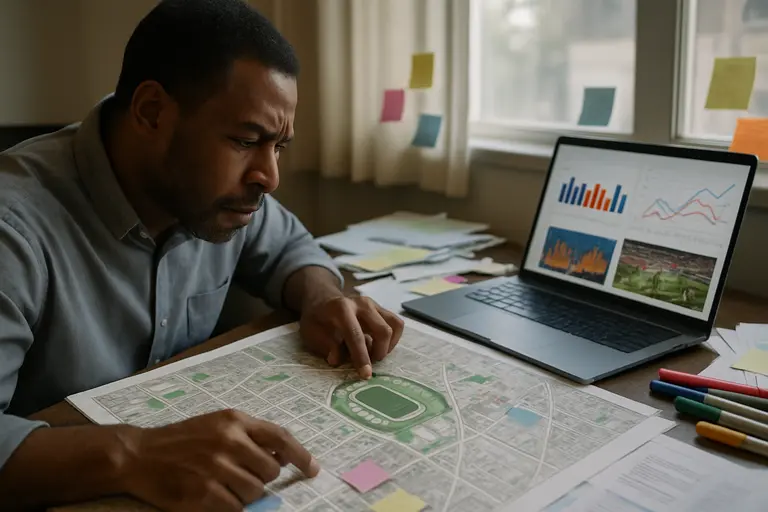
The CEFA construction numbers and the annual fan-spending estimates should be read as two different types of impact. The construction analysis measured the funded repair phase and its ripple effects. The game-day spending estimate described a repeatable annual pattern when FAMU football operates with a full home schedule and fans travel into Leon County.
- Construction impact: 166 total jobs, about $7.67 million in wages and income, and about $26.04 million in total economic output tied to the $10 million repair allocation.
- Game-day impact: about $7.3 million in direct spending from out-of-county fans in a typical fully functioning FAMU football year.
- Local sports meaning: a repaired stadium supports both the physical home of the team and the visitor activity tied to football weekends.
For city planners and sports administrators, that split is useful. Construction impact is concentrated. Football visitor spending returns with the schedule. Both matter, but they require different expectations. A repair project creates short-term labor and supplier activity. A healthy home schedule creates recurring chances for restaurants, hotels, transportation providers, and small businesses to benefit from the crowd.
Why The SWAC Era Raised The Stakes
FAMU’s move into the SWAC gave the stadium work added sports meaning because conference affiliation affects opponent familiarity, alumni travel patterns, and the emotional weight of certain home dates. The research notes indicate that the combination of stadium improvements and the conference move was expected to lift annual economic activity beyond the prior baseline. The exact size of that longer-term lift depends on schedules, attendance, travel behavior, and how often marquee home weekends draw visitors from outside Leon County.
That uncertainty is worth stating plainly. Economic models are planning tools, not scoreboards. They estimate how spending flows through a region based on assumptions. Still, the direction of the story is clear from the public figures: a functioning Bragg Memorial Stadium gives Tallahassee more chances to capture football-related spending, especially when alumni and visiting fans treat FAMU weekends as travel events.
Why FAMU Stadium Repairs Still Matter In Tallahassee
FAMU Stadium Repairs should be remembered as more than a facilities line item. They connected a $10 million public investment to construction employment, wages, regional output, and the return of reliable game-day activity around Bragg Memorial Stadium. For a local sports market, that is a meaningful chain.
The football side remains central. FAMU needs a home venue that supports its players, coaches, band, students, alumni, and visiting supporters. Tallahassee needs sports weekends that bring people into the city and give them reasons to spend time beyond the stadium gates. When those needs meet, the result is not only a better building. It is a stronger bond between a team, a university, and the local economy that gathers around them on fall Saturdays.