


The Gators football economy is not just a fall storyline in Gainesville. It is a weekly rhythm that touches restaurants, hotels, student workers, alumni travel, campus operations, and the way local families plan their weekends. Ben Hill Griffin Stadium is the visible center of that activity, but the effect spreads well beyond the gates on game day.
For Gainesville, Florida football sits at the meeting point of sport and civic identity. A home Saturday can change traffic patterns, fill dining rooms, stretch hotel demand, and bring out-of-town alumni back into a city many still treat like home. That is why local sports coverage should treat the program as more than a scoreboard. The Gators shape how the city moves, spends, gathers, and measures itself during the season.
How The Gators Football Economy Reaches Gainesville
Gators Football Economy Starts With The Stadium Week
The Gators football economy begins before kickoff. A home game creates work all week: stadium staffing, security planning, campus services, concessions preparation, media operations, ticket support, hospitality scheduling, and restaurant ordering. By Friday, the city’s sports pulse is already obvious. Alumni cars show up near hotels. Families make dinner reservations. Students adjust work shifts. Local businesses brace for a crowd that does not look like a normal weekend crowd.
That is the local power of a college football venue. Ben Hill Griffin Stadium does not operate as a separate island from Gainesville. It pulls people toward University Avenue, Midtown, Archer Road, downtown, and nearby neighborhoods. Even residents who never enter the stadium feel the traffic, noise, dining rush, and shared identity that come with a home game.
Why Local Businesses Track More Than Wins
Winning matters because it raises urgency and keeps fans emotionally invested, but the local business effect is broader than the final score. A noon kickoff can shift breakfast and lunch traffic. A night game can help bars and restaurants build a full-day crowd. A ranked opponent can increase alumni travel. A late-season game with stakes can keep hotel rooms and dining demand strong after the early-season rush fades.
For Gainesville business owners, football season is a planning calendar. Staffing decisions, food inventory, parking pressure, and hours of operation often change around home games. The city’s small businesses are not just reacting to a team. They are reacting to a repeat visitor cycle driven by fans, students, parents, visiting supporters, media, vendors, and former residents returning for a weekend.
Ben Hill Griffin Stadium As A Community Asset
Renovation Plans Point To Bigger Local Stakes
The future of the stadium is now part of the local sports business conversation. In June 2026, Florida announced a $1.45 billion renovation plan for Ben Hill Griffin Stadium, with the project aimed at modernizing the venue and nearly doubling annual revenue from the facility, according to The Washington Post report. For Gainesville, that figure is not just a construction number. It signals how much the university sees football Saturdays as part of a larger revenue and fan-experience strategy.
Stadium upgrades can affect more than premium seating and concourses. They can alter arrival routes, construction schedules, seating access, concession operations, local vendor opportunities, and the way fans plan game weekends. During major work, Gainesville residents and visitors will need clear information about parking, gates, pedestrian routes, and any temporary changes to the game-day routine.
The Swamp Connects Alumni Back To Gainesville
The Gators football economy also depends on emotion. Alumni do not return only because a game is scheduled. They return because the stadium ties their college years to a present-day community. A Saturday at The Swamp can mean a family reunion, a first game for a child, a meal at an old favorite restaurant, or a walk through campus that turns a football trip into a Gainesville weekend.
That connection has real local value. When alumni treat Gainesville as a recurring destination, the impact can reach lodging, dining, retail, transportation, and campus-area services. It also keeps the university’s athletic identity connected to the city instead of confined to the athletics budget. The strongest version of Florida football is one where the team, the venue, and the city feel connected to the same Saturday experience.
UF Athletics And The Broader Economic Picture
Florida Gators Impact Goes Beyond One Program
Football is the loudest piece of the sports calendar, but it sits inside a larger University of Florida economic footprint. A UF/IFAS Food and Resource Economics Department post cited a 2018 study estimating UF’s total industry output or revenue contributions to the state, including multiplier effects, at $16.91 billion UF/IFAS economic contributions. That statewide figure includes more than athletics, yet it helps explain why Florida sports carry such weight in Gainesville’s public life.
The university brings students, employees, researchers, visitors, patients, families, donors, and alumni through Gainesville. Athletics turns part of that year-round presence into large shared events. Football weekends concentrate that movement into a few high-demand days, which is why local planning around home games matters so much.
Community Engagement Keeps The Connection Personal
The city’s relationship with Florida football is strongest when fans feel close to the program beyond the turnstiles. Camps, clinics, public-facing events, athlete appearances, and fan education can make the team feel less distant from the community that supports it. That same local connection shows up in coverage of events like the Gators Ladies Clinic, where fan access and football teaching helped connect supporters to the program in a more personal setting.
This kind of engagement matters because Gainesville is not a pro sports market with a franchise dropped into town. It is a university city where the team and the community share streets, restaurants, classrooms, workplaces, and traditions. The Gators football economy is stronger when that relationship feels mutual rather than transactional.
Game-Day Planning For Residents And Visitors
What Fans Should Think About Before Kickoff
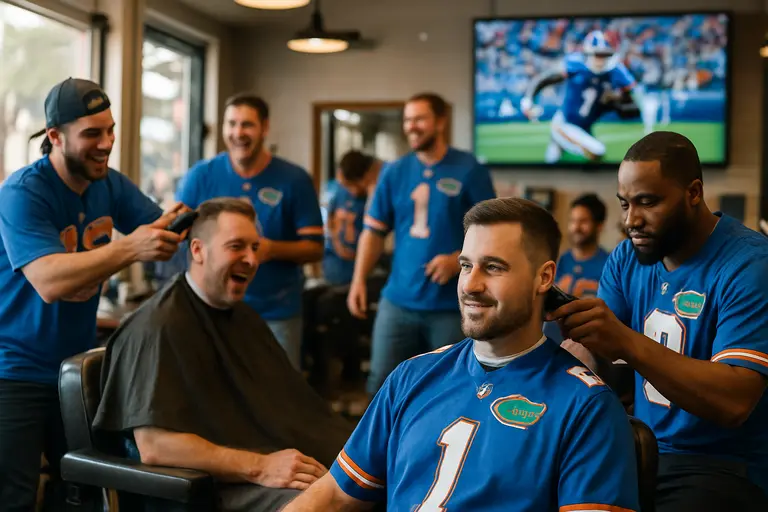
A good Gainesville football weekend starts with practical planning. Fans who wait until the last minute can run into parking trouble, long restaurant waits, hotel scarcity, and traffic backups near campus. Families traveling with children may need more time for walking routes and gate entry. Older fans may care more about shade, seating access, and shuttle options. Students often plan around work shifts and tailgate timing.
- Check kickoff time before locking in meals, travel, or return plans.
- Build extra time for campus traffic and postgame exits.
- Support local restaurants and shops before or after peak rush windows.
- Watch for stadium renovation updates that could change normal routines.
Those details sound small, but they shape how people experience the city. A smoother game day helps visitors spend more time in Gainesville businesses and less time stuck in confusion. It also helps residents prepare for the temporary pressure that comes with a stadium crowd.
Why The City Benefits From Better Fan Flow
The Gators football economy works best when movement is predictable. If fans know where to park, when to arrive, and where to eat, the city can absorb demand more effectively. If information is late or unclear, the pressure lands on local streets, restaurant staffs, hotel desks, and families trying to get across town.
That is why communication around stadium projects, kickoff windows, and campus access should be treated as part of the sports product. Fans remember the win or loss, but they also remember whether the weekend felt easy enough to repeat. Repeat trips are where Gainesville gains lasting value from Florida football.
Why Gainesville Measures Football Beyond Saturdays
The Gators football economy is about money, but it is also about belonging. Football gives Gainesville a shared calendar, a visitor pipeline, a business rhythm, and a civic identity that becomes most visible on fall Saturdays. The stadium anchors that experience, while local businesses, campus workers, residents, students, and alumni help turn each game into a citywide event.
As Florida invests in the future of Ben Hill Griffin Stadium, Gainesville’s challenge is to protect what makes game day feel local. Bigger revenue goals and upgraded facilities can matter, but the heart of the experience still depends on how fans move through the city, how businesses prepare, and how closely the program stays connected to the community around it.