

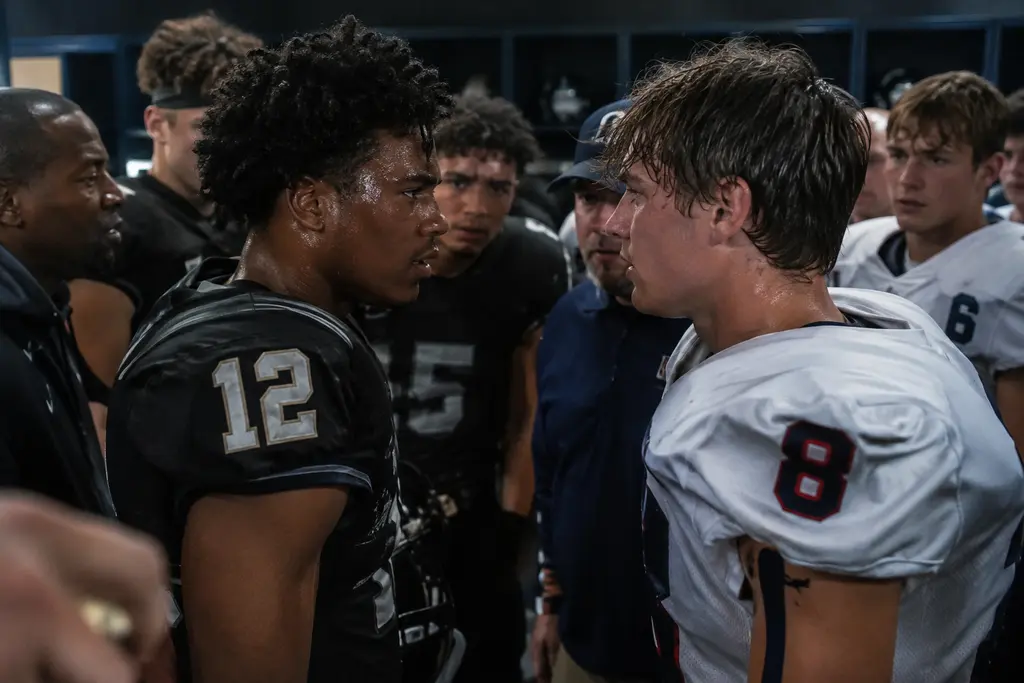
The Deltona Matanzas brawl was not just a postgame incident between two high school football teams. It became a Volusia-Flagler sports story about discipline, rivalry emotion, and the fragile trust that sits behind every handshake line. On October 1, 2026, Deltona defeated Matanzas 21-12 in a makeup game at Matanzas High School in Palm Coast before a fight broke out during the traditional postgame handshake line, according to a Yahoo Sports report.
For families in Deltona and Palm Coast, the fallout landed quickly. What had been a football result became a community conversation about how young athletes handle disappointment, how coaches restore standards, and how schools protect the rituals that are supposed to close a game with respect. The fight did not produce reported serious injuries, but it did produce real consequences for rosters, postseason hopes, and local confidence in game-night conduct.
Why The Deltona Matanzas brawl Hit Local Football Hard
Deltona Matanzas brawl And The Handshake Line
The handshake line matters because it is one of the clearest teaching moments in high school sports. Players are asked to compete hard, manage contact, absorb a result, and then show respect face to face. In this case, that custom became the flashpoint. The reported sequence began when a Matanzas player pushed a Deltona player out of the line and onto the ground, which triggered multiple fights involving players from both teams.
The altercation lasted around 90 seconds, with coaches, administrators, and deputies stepping in to separate players. That time frame may sound short, but on a high school field, with helmets, pads, families in the stands, and emotions still high after the final whistle, 90 seconds can feel much longer. It is enough time for a single shove to become a team-wide problem and for a community to lose sight of the football that had just been played.
Deltona’s position made the fallout even sharper. The program was 3-3 and had been in playoff contention before the FHSAA penalties were reported. Matanzas, at 1-5, faced its own program strain, but Deltona’s postseason path gave the disciplinary decision extra weight across Volusia County. That is why the story traveled beyond a single box score. It touched competitive goals, senior seasons, and the identity of two football rooms.
How Sportsmanship Standards Broke Down
Postgame Traditions Need Structure
The Deltona Matanzas brawl raised a practical question for high school programs across Florida: how should teams manage the emotional final minutes after a physical game? The answer is not to treat every player as a risk. It is to recognize that postgame routines need the same coaching attention as kickoff coverage, substitution patterns, and sideline behavior.
Handshake lines can still serve a valuable purpose, but only when adults and captains know their assignments. Coaches can set expectations before the game, remind players before the final snap, and control the pace once teams meet at midfield. Administrators can station staff in clear positions rather than reacting only after tempers flare. Captains can be told to keep teammates moving, avoid lingering exchanges, and pull players away from trouble before pride takes over.
The larger sportsmanship lesson is not abstract. In high school football, players are still learning how to handle public success and public frustration. A rivalry game, a makeup schedule, a tight score, or a hard tackle can carry over into the handshake line if no one slows the moment down. The incident at Matanzas showed how quickly a tradition meant to signal respect can become the most volatile part of the night.
Community Reaction In Volusia And Flagler
Schools Faced A Trust Problem
Local reaction centered on the idea that the fight did not match what school sports are supposed to teach. Volusia County Schools and Flagler Schools condemned the behavior in public statements, according to the research available for this report. Volusia’s response stressed expectations that student-athletes, coaches, and spectators demonstrate respect, self-control, and sportsmanship at every level of competition. Flagler Schools said the altercation did not reflect its values.
Those statements mattered because high school football in this part of Florida is not limited to the players on the field. Parents arrange work schedules around kickoff. Marching bands, cheer teams, trainers, deputies, student sections, and local volunteers all help create a Friday night setting. A fight after the final whistle affects all of them. It can change how families talk about away games, how administrators staff rivalry matchups, and how younger athletes view the varsity example.
The FHSAA response gave that community concern a formal edge. Both Deltona and Matanzas were placed on restrictive probation and barred from the 2026 postseason. On3 reported that the fight led to 41 player suspensions and that five teams statewide, including Deltona, Matanzas, Baldwin, Terry Parker, and Miami Carol City, were placed on restrictive probation for fighting-related incidents in 2026 On3 report.
That wider enforcement context matters locally. The Deltona-Matanzas case was not treated as a one-off argument after a heated game. It became part of a statewide disciplinary pattern. For communities that care deeply about their teams, that can feel painful. It can also clarify the message: sportsmanship failures now carry season-altering costs.
What Coaches And Players Can Reset
Roster Consequences Changed The Football Side
The Deltona Matanzas brawl did not end when the field cleared. Suspensions changed who was available, how coaches prepared, and how teams had to present themselves the next week. Matanzas later played with a patchwork lineup of varsity and JV players in a 48-0 loss to 27th-ranked Buchholz on October 8, 2026, according to the research provided. That kind of roster disruption is a football problem, not only a discipline problem.
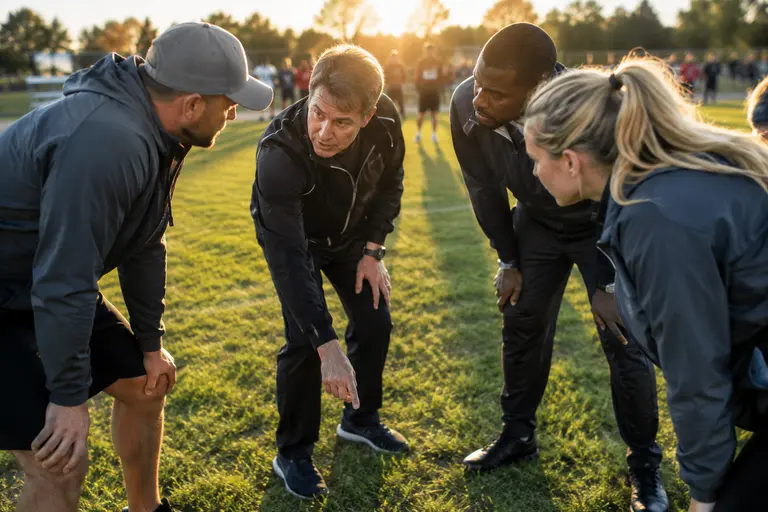
For coaches, the reset has to be both cultural and tactical. A team that loses players to suspension loses practice reps, special-teams depth, scout-team quality, and game-night confidence. Younger players may be asked to take snaps before they are ready. Seniors may lose a chance to finish a season the way they planned. Position coaches have to rebuild rotations while head coaches answer questions that have little to do with scheme.
A practical reset for programs after an incident like this should include a few clear steps:
- Rehearse postgame conduct during practice week, not only during pregame speeches.
- Assign coaches and captains to specific areas during handshake lines.
- Review consequences with players and families in plain language.
- Use film sessions to teach emotional control without singling out athletes for public shame.
- Protect JV and younger players from inheriting varsity mistakes without support.
None of those steps erase what happened. They do give a program a way to move from punishment to teaching. Matanzas coach Matt Forrest described the week after the brawl as the hardest moment in his seven years as head coach and called the incident a teaching moment, according to the research provided. That framing is significant because local programs cannot rebuild trust through penalties alone. They need visible habits that show players have learned from the damage.
What The Deltona Matanzas brawl Means For Sportsmanship
Local Football Needs Accountability And Perspective
The strongest community response should hold two truths at once. First, the fight was serious and deserved consequences because player safety and school standards cannot be optional. Second, a bad postgame scene should not define every athlete, coach, or family tied to either program. High school football is built for teaching, and teaching requires accountability that leaves room for growth.
That balance is especially important in Deltona and Palm Coast because both communities know how much Friday night football can mean. A team is often a point of school pride, a weekly gathering place, and a shared language across generations. When a program loses postseason access or has dozens of players suspended, the effect reaches beyond the locker room. It touches band families, student supporters, local coverage, and younger players who dream about wearing the same uniforms.
The Deltona Matanzas brawl also reinforces why sportsmanship cannot be treated as a poster on a gym wall. It has to be coached under pressure. It has to be practiced after wins and after losses. It has to be supported by administrators, modeled by seniors, and expected by fans. The schools involved paid a heavy competitive price, but the broader lesson belongs to every program that sends teenagers into a charged postgame setting.
For readers who want a related football-focused breakdown of the fallout, our local analysis of how the Deltona-Matanzas fallout changed team standards connects the disciplinary impact to program trust. The key point for this community is direct: the final whistle does not end a team’s responsibility. In some ways, that is when the most public test of sportsmanship begins.