


Travon Walker development has become more than a pass-rush story in Jacksonville. As of October 14, 2026, Walker’s place with the Jaguars is tied to production, leadership, recovery habits, and community work that stretches from Duval County to his hometown of Thomaston, Georgia. For a franchise trying to build a stronger locker room identity, that mix matters.
The Jaguars made a major football statement on April 4, 2026, when they signed Walker to a four-year contract extension. By then, across his first three seasons from 2022 through 2024, he had posted 200 tackles, 57 quarterback hits, 36 tackles for loss, 27.5 sacks, seven passes defensed, three forced fumbles, two fumble recoveries, one fumble-return touchdown, and one interception, according to the Jaguars announcement. Those numbers help explain why his voice carries weight off the field.
Travon Walker Development And Jaguars Trust
Travon Walker Development Starts With Daily Habits
Player development is often framed through snap counts, strength work, film study, and position technique. Walker’s case shows why the off-field layer is just as valuable. Coaches and teammates respond when a player’s routine is visible. If a defensive end prepares with consistency, handles attention without changing his approach, and answers younger players’ questions, the locker room gains a working example rather than a speech.
That is where Travon Walker development fits Jacksonville’s team-building needs. The Jaguars have needed dependable standards from players who are both productive and present. Walker entered the league with major expectations, and his first three NFL seasons gave him the statistical base to lead without sounding forced. In a local market like Jacksonville, where fans closely read effort, tone, and accountability, that type of growth connects beyond the facility.
Production Created The Platform
The extension did not happen in isolation. Walker’s 27.5 sacks and 57 quarterback hits over his first three seasons gave the Jaguars evidence of a player who had turned physical traits into real defensive value. His 36 tackles for loss also matter because they show his game has not been limited to chasing sack totals. For a front seven, setting edges, playing the run, and affecting early downs can shape how an entire defense calls a game.
That production gives his off-field work more force. Community events can be meaningful for any player, but the message hits differently when it comes from someone who has earned a second contract and remained tied to the work behind it. Walker’s growth is not a side note to his football value. It is part of why the Jaguars could view him as a long-term figure in the building.
How Off-Field Leadership Shows Up In Jacksonville
Leadership Without A Podium
Not every leader in an NFL locker room is the loudest voice. Walker’s leadership profile, based on the research from Jaguars team coverage, has been built around example, consistency, body control, technique, and demeanor. That matters in a position room where younger players often learn from what veterans repeat every day, not just what they say after a win or loss.
For Jacksonville fans, this is an important distinction. The Jaguars’ local identity has always valued visible effort. A player who signs a major extension and still treats practice, meetings, and recovery as serious work can help set the temperature for the roster. That does not guarantee wins, but it does support the type of daily structure winning teams need.
Why Younger Players Notice
Younger players watch who gets extra treatment, who practices through discomfort, who asks good questions, and who respects details. Walker’s development into a key locker-room voice has been tied to those ordinary moments. They do not make highlight reels, but they can affect how a rookie learns tempo, how a backup prepares for limited snaps, and how a position group handles pressure after a hard game.
That is why Jaguars player development cannot be judged only by draft position or year-end totals. A team grows when its better players make standards easier to see. In that sense, Walker’s value reaches into the everyday teaching culture that coaches try to build but players must help carry.
The Thomaston Connection Behind His Community Work
A Hometown Camp With A Wider Purpose
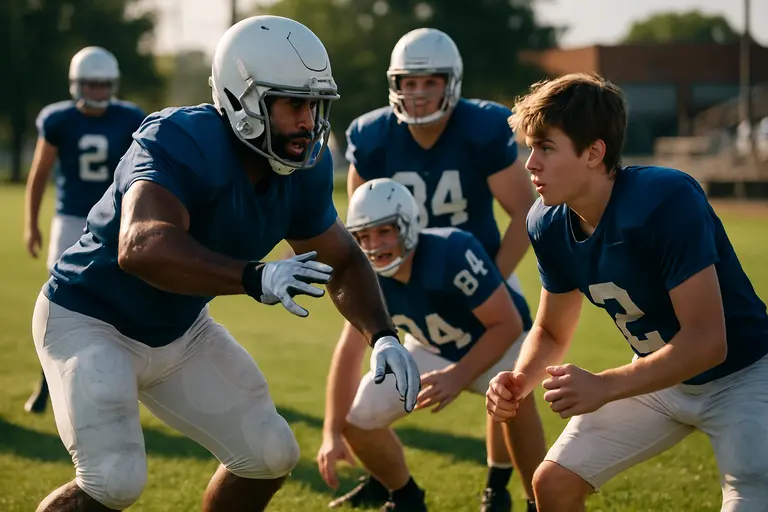
Walker launched the Travon Walker Foundation in 2022 with a mission centered on youth empowerment in Thomaston, Georgia, according to a Sporting News report. On May 9, 2026, his foundation hosted its 4th Annual Free Youth Football Camp at Matthews Field in Thomaston. The event focused on football fundamentals, mentorship, discipline, teamwork, personal growth, and off-field character development.
That camp is a clear example of how a player’s local roots can shape his public work. Thomaston is not Jacksonville, but Walker’s story connects the two communities. Jaguars fans see a player who has kept his hometown close while building a professional career in North Florida. Families in Georgia see an NFL player returning with more than a photo opportunity. The shared message is simple: football can teach habits that last after practice ends.
The Fan Connection Across State Lines
Regional sports identity often crosses city lines. Walker grew up in Georgia, played college football at Georgia, and became a foundational player in Jacksonville. That path helps explain why his community work resonates with Jaguars fans across North Florida and South Georgia. The Jaguars’ fan base has long included supporters who travel down I-95, across rural Georgia highways, and into Jacksonville on game days. Walker’s background gives those fans a familiar point of connection.
Travon Walker development, then, is not only about a pass rusher becoming more complete. It is about a player showing how local pride can move with him. When he hosts a youth camp in Thomaston and plays his NFL home games in Jacksonville, he is building a bridge between places that already share football families, high school rivalries, and weekend travel patterns.
What Player Development Means For The Jaguars
From Recovery Habits To Team Standards
The research notes also point to Walker’s recovery process after a wrist injury suffered on September 28, 2025, which required surgery, along with a knee issue that affected his burst. By June 1, 2026, during OTAs, he was reported as almost back to full strength. That timeline matters because recovery is another part of player development that fans do not always see.
Rehab work can be lonely, repetitive, and difficult to measure from the outside. For a defensive end, wrist and knee issues can affect hand usage, strike timing, get-off, and change of direction. A player who attacks that process gives teammates another example of professional discipline. He also shows fans that development includes how a player responds after his body has been tested.
- Walker’s extension gave Jacksonville a long-term defensive building block.
- His youth camp showed how his platform reached young athletes beyond the NFL setting.
- His recovery work offered a quieter example of preparation and persistence.
- His locker-room growth gave younger Jaguars players a visible standard.
For the Jaguars, those pieces should not be separated. A team’s culture is not built only by coaches or front-office language. It is built by players whose work is repeatable. Walker’s combination of production, community service, and leadership gives Jacksonville a player whose influence can be felt in several parts of the organization.
Why Travon Walker Development Matters Off The Field
What Jacksonville Can Take From It
Travon Walker development matters because it gives Jacksonville a clearer model of what a modern franchise cornerstone can look like. The sacks and tackles for loss still matter. The extension still matters. But the off-field pieces help explain why his standing inside and around the Jaguars has grown.
Fans in Jacksonville tend to respect players who show up consistently, speak through their work, and stay connected to people outside the stadium gates. Walker’s foundation activity, youth camp leadership, and locker-room growth fit that mold. His example also reminds young athletes in the region that football development is not only about size, speed, or recruiting attention. It is about habits, service, discipline, and how a player treats people once the spotlight gets brighter.
For the Jaguars, that is the kind of player development that can influence more than one position group. Walker’s path gives the defense a proven performer, the locker room a steady presence, and the fan base a player whose impact reaches into real communities. That is why his off-field work belongs in the football conversation, not as a feel-good extra, but as part of the fuller picture of what Jacksonville is trying to build.