

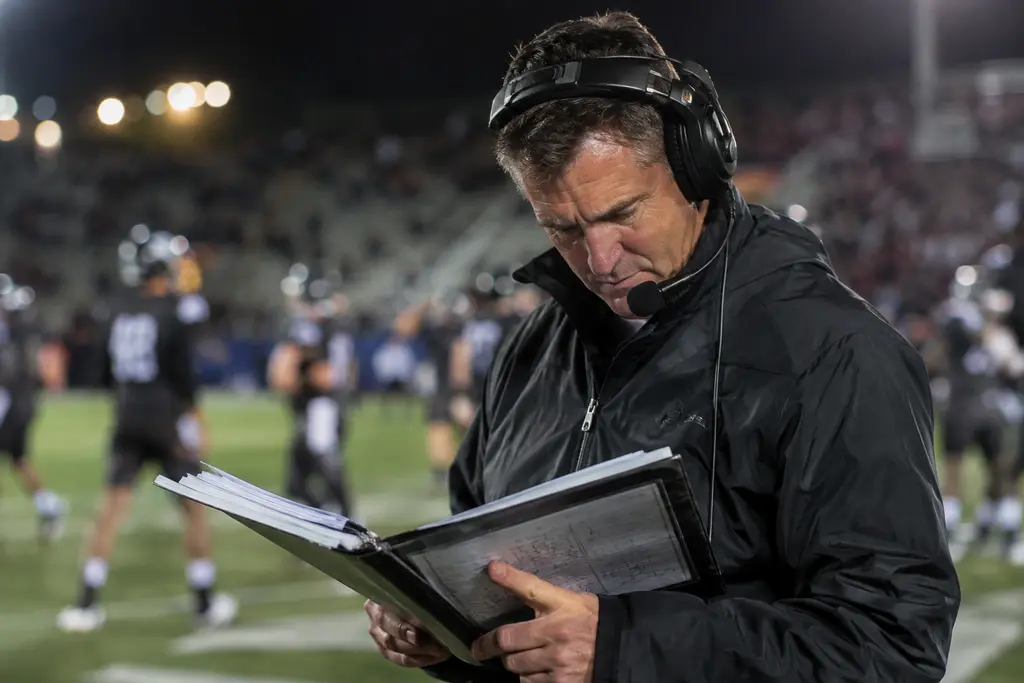
Gators Offensive Adjustments under Buster Faulkner gave Florida a clearer identity by late October 2026: play fast without becoming careless, run with power without becoming predictable, and let Aaron Philo work from manageable downs instead of rescue situations. The early results were loud. Through the first three games ending September 24, Florida averaged 544.3 total yards, ranked third nationally in total offense, sat second in big plays of 20-plus yards at 23 per game, and ranked second in scoring at 54.0 points per game, according to Yahoo Sports’ early-season breakdown.
That surge mattered in Gainesville because Florida’s offense had not simply added yards. It had changed the way Saturdays felt inside The Swamp. Drives carried more answers. The run game had a centerpiece. The passing game had room to breathe. Most important, Faulkner’s plan gave fans a product that connected with local expectations: physical SEC football, but with enough motion, spacing, and creativity to keep defenses from loading up on one tendency.
How Gators Offensive Adjustments Changed The First Month
Gators Offensive Adjustments Started With Tempo And Trust
The September 5 opener against Florida Atlantic set the tone. Florida won 66-21 and produced 624 total yards, with 343 passing and 281 rushing. Philo, the Kentucky transfer quarterback, threw for 275 yards and three touchdowns, while Jadan Baugh rushed 14 times for 160 yards and three touchdowns, per the official Florida recap. Those numbers did more than fill a box score. They showed that Faulkner did not need to choose between protecting his quarterback and attacking downfield.
The opener also showed why the staff’s spring and fall workload mattered. Yahoo reported that offensive players logged more than 10,000 practice reps between spring and fall practices. That kind of repetition is not just a coaching talking point. It showed up in how quickly Florida got aligned, how comfortably Philo distributed the ball, and how the run game kept producing efficient answers. For a Gainesville fan base that reads body language as closely as play calls, the offense looked less hesitant.
The FAU Game Gave Florida A Working Blueprint
Florida’s opener worked because the offense did not lean on one trick. The Gators threw for 343 yards and ran for 281. That balance forced FAU to defend the full width of the field while still accounting for Baugh’s downhill burst. The result was a rhythm game: early-down gains, shorter third downs, and enough explosive plays to turn drives into touchdowns rather than field-position exchanges.
That is where the local football culture piece matters. Florida fans respect explosive passing, but they respond differently when the run game sets the emotional temperature. Baugh’s 160-yard, three-touchdown day gave the offense a physical anchor. Philo’s 275 passing yards gave it vertical credibility. Together, those two pieces made the first Saturday in Gainesville feel like more than a hot start. For more on how that opener shaped the first wave of analysis, our opener takeaways tracked the early signs of Faulkner’s influence.
Why Balance Became The Gainesville Calling Card
Auburn Showed The Plan Could Travel Into SEC Contact
The September 19 Auburn game gave the offense a different kind of validation. Florida produced 495 total yards, almost split down the middle with 252 passing yards and 243 rushing yards. Baugh carried 26 times for 162 yards and three touchdowns. Philo spread the ball to seven receivers. Those details matter because SEC defenses usually force an offense to reveal what it can live without. Against Auburn, Florida did not have to abandon either side of the play sheet.
Those Gators Offensive Adjustments were not just about calling more runs or asking Philo to throw safer passes. Faulkner built a structure where the run and pass protected each other. If defenses crowded the box, Florida had enough distribution to reach seven pass catchers. If defenses widened to respect space, Baugh became the pressure point. That is the kind of balance that makes an offense harder to scout from week to week.
Creativity Worked Because The Base Offense Had Weight
The Auburn game also included one of the most revealing calls of the opening month: a double pass that went from Philo to Kahleil Jackson, then to tight end Amir Jackson for 48 yards. Trick plays can look flashy in isolation, but this one fit the broader plan. Florida had already made Auburn respect its base offense. The misdirection landed because defenders had real run-pass responsibilities before the ball changed hands again.
That is the difference between creativity and gimmickry. Faulkner’s offense used deception after establishing credible core threats. Baugh’s workload mattered. Philo’s distribution mattered. The offensive line’s ability to keep both concepts alive mattered. The trick play became part of the structure, not a substitute for one.
What Faulkner Asked From Philo And Baugh
Philo’s Job Was Efficiency Before Hero Ball
Philo’s early value came from how he fit the system. The opener’s 275 yards and three touchdowns showed he could create production without forcing the offense into a one-man show. In Faulkner’s design, the quarterback’s first responsibility was to keep the offense on schedule: finish first down with options, avoid long-yardage panic, and let the next call remain open.
That matters because explosive offenses can become impatient. Florida’s best early version did not chase deep shots on every snap. It created them through run strength, receiver distribution, and defensive stress. Philo’s task was to use that structure, not break it. The more he stayed within rhythm, the more Faulkner could reach different parts of the call sheet.
Baugh Became The Physical Centerpiece
Baugh’s first-month numbers gave Florida a dependable tone-setter. His 14-carry, 160-yard, three-touchdown opener against FAU proved the burst. His 26-carry, 162-yard, three-touchdown performance against Auburn proved the workload could hold up in a tougher game script. That combination is valuable because it lets an offense win in different ways.
For Gainesville, Baugh’s emergence also changed crowd energy. A reliable back gives The Swamp something to build around between explosive passes. Second-and-4 feels different than second-and-10. A defense that has to tackle Baugh repeatedly gets tested physically and mentally. That edge feeds the stadium, and the stadium feeds the offense back.
- Florida’s opener showed run-pass balance with 343 passing yards and 281 rushing yards.
- Auburn showed SEC-level balance with 252 passing yards and 243 rushing yards.
- Baugh gave the offense repeatable production in both games cited above.
- Philo’s early success came from distribution, timing, and avoiding desperation football.
Why Gators Offensive Adjustments Matter In Gainesville
The lasting value of Faulkner’s first-month work was not one score or one trick play. It was the way Florida made defenses defend more of the field while giving its own players clearer answers. The offense could run through Baugh, spread targets through Philo, and still mix in creative designs without losing its base identity.
For fans, that creates a different kind of game-day connection. A balanced offense keeps the crowd engaged because every drive feels capable of changing direction. A strong run game keeps local football identity intact. A more explosive passing structure gives students and alumni the sudden-strike moments that define big Saturdays in The Swamp. Those pieces together make the offense feel tied to Gainesville rather than copied from somewhere else.
The enduring value of Gators Offensive Adjustments under Faulkner is that Florida found a practical path between power and pace. The best version was not pass-only, not run-only, and not dependent on surprise calls. It was an offense built on early-down efficiency, repeated practice work, a trusted back, and a quarterback asked to operate with control. That is why the first month carried meaning beyond the stat sheet, and why Faulkner’s approach became one of the defining Florida football stories by October 27, 2026.