

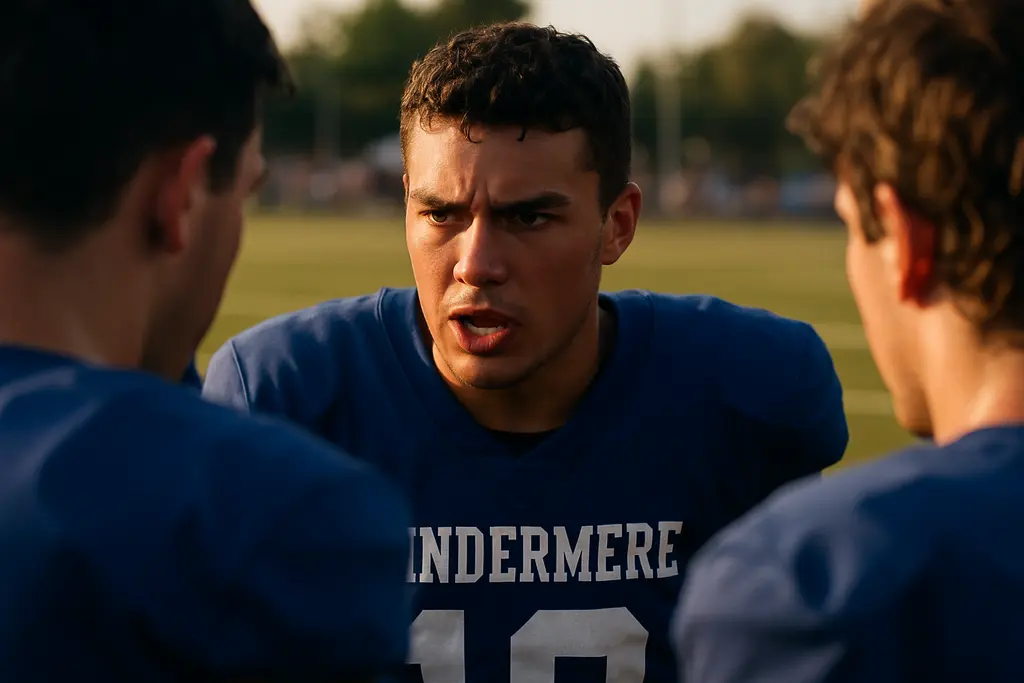
Windermere Football Strategy became a real West Orange sports story once the Wolverines chose to measure themselves against stronger football programs in 2026. By October 18, 2026, the results had shown both sides of that choice: a team capable of responding late, protecting its home field, and scoring against quality opposition, but also one still trying to close the gap away from home and against deeper lineups.
That balance matters because Windermere High is not being judged only by wins and losses. The Wolverines’ season has been a test of how a program grows when the schedule gets heavier. The 2026 slate included 2025 playoff teams such as Edgewater, Dr. Phillips, St. Cloud, and Winter Park, according to Yahoo Sports’ report on Windermere and the FHSAA Independent League Yahoo Sports report. For a local fan base, that kind of schedule does more than fill Friday nights. It sets a standard for the locker room, the coaching staff, and the next wave of players coming through the school.
Windermere Football Strategy Against The Step-Up
Why The Schedule Choice Changed The Evaluation
The first layer of Windermere Football Strategy was the decision to accept a harder weekly assignment. Playing stronger opponents can expose a team quickly, but it also gives coaches clearer film. A comfortable win can hide missed fits, loose tackling angles, late substitutions, or route timing that breaks down under pressure. A tougher opponent forces those issues into the open.
Windermere’s 2026 record sheet reflected that sharper test. The Wolverines beat Winter Park 29-26 on August 21, lost 42-28 to Edgewater on September 4, and beat Wekiva 28-0 on September 10, with those results listed on FloridaHSFootball.com’s Windermere season page Windermere 2026 results. Those three games alone tell a useful football story: survive late against Winter Park, take a punch from Edgewater, then respond with a shutout six days later.
That sequence is the kind of stretch that can define a high school program’s habits. The Winter Park result showed Windermere had enough fourth-quarter belief to keep playing from behind. The Edgewater loss showed that scoring four touchdowns was not enough against a top opponent if the Wolverines could not reduce the damage on the other side. The Wekiva shutout showed that the team still had a defensive response in it after a difficult night.
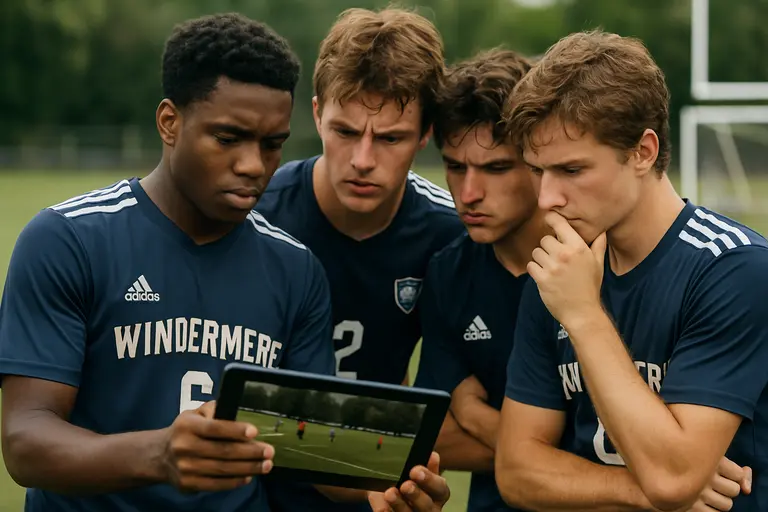
Windermere Football Strategy Starts With Honest Film
For a team stepping up, the most useful film is often the most uncomfortable film. Windermere did not need to pretend that a 42-28 loss to Edgewater was close to the desired level. The score still showed offensive competitiveness, because 28 points against a strong opponent keeps a team in the conversation. Yet it also showed that the defense, field position, and drive-to-drive control had to be cleaner for Windermere to beat teams with playoff-caliber depth.
That is where coaching adjustment becomes central. Against stronger teams, a staff has to separate problems that are structural from problems that are correctable. If a defense is being stretched by speed, the answer may be alignment, pursuit angles, and substitution rhythm. If the offense scores but cannot keep pace, the answer may be longer possessions, fewer empty trips, and better protection of field position. Windermere’s response against Wekiva suggested that the Wolverines were capable of translating a difficult loss into sharper execution.
Home Strength And Road Gaps Tell The Real Story
Why The Wolverines Looked Different At Home
The clearest split in the available 2026 data came from location. Through the eight regular-season games reflected in the research notes, Windermere was 4-0 at home and had outscored opponents 154-29 in those four games. That kind of home profile is not just a scoreboard note. It speaks to routine, comfort, family turnout, sideline energy, and the way a high school team feeds off familiar surroundings.
For Windermere, the home field became part of the team identity. The Wolverines were not merely winning at home; they were controlling games there. That matters in West Orange because high school football is tied closely to community attendance. Parents, classmates, youth players, and local alumni all shape the atmosphere. A team that starts fast at home can turn that atmosphere into a practical advantage, especially if the opponent is forced to chase points early.
Windermere Football Strategy should keep treating home games as tone-setting chances. Early defensive stops, field-position pressure, and a first-quarter scoring plan can make the crowd feel involved before halftime. For a program trying to raise expectations, protecting home turf is one of the fastest ways to build trust with fans and younger players in the school system.
Why Road Games Exposed The Next Assignment
The road results told a different story. The research notes showed Windermere at 1-3 in true road games, with 78 points scored and 115 allowed. That does not mean the Wolverines lacked talent. It means the travel version of the team had not matched the home version often enough by October 18, 2026.
Road football asks for a different kind of discipline. The offense has to handle noise, timing, bus legs, and uneven rhythm. The defense has to create its own energy without waiting for the crowd. Special teams must prevent short fields because away games can swing quickly when the home sideline gets momentum. Those details are not glamorous, but they often decide whether a good local team can win against a stronger opponent outside its own stadium.
The strategic answer is not complicated, but it is demanding. Windermere needed cleaner opening scripts, early tackling security, and a possession plan that gave the defense time to settle. Against playoff-level teams, the first quarter can decide whether the game is played on Windermere’s terms or the opponent’s. The Wolverines’ home-road split made that one of the most obvious coaching priorities from the 2026 sample.
Offensive Balance Must Protect The Defense
Scoring Points Is Only Half The Job
Windermere’s 28 points against Edgewater on September 4 gave the Wolverines a meaningful offensive marker. It showed they could produce against a higher-grade opponent. Yet a game that ends 42-28 also makes one thing clear: offensive success has to support the entire team, not just the scoreboard.
Against tougher competition, a fast scoring drive can be valuable, but a controlled scoring drive can be even more useful. If Windermere’s defense is dealing with size, speed, or depth stress, the offense can help by holding the ball, moving chains, and limiting sudden-change situations. That does not require abandoning explosive plays. It requires choosing moments carefully and avoiding the kind of quick empty possessions that give a stronger opponent extra chances.
This is where Windermere Football Strategy should blend aggression with game control. A high school offense can still take deep shots, use tempo, and attack matchups. The key is pairing that with enough run-game patience, screen-game relief, and third-down structure to keep the defense from playing too many snaps under stress.
Late-Game Composure Has Become A Building Block
The 29-26 win over Winter Park on August 21 carried strategic weight because of how it unfolded. Windermere rallied from a double-digit fourth-quarter deficit, according to the research notes tied to the listed result. That kind of comeback gives a team more than a victory. It gives the sideline proof that a game can still be managed when the first three quarters do not go cleanly.
Late-game composure is especially valuable against stronger opponents because the final six minutes often become situational football. Clock use, timeout choices, sideline communication, quarterback decision-making, tackling in space, and special-teams execution all become magnified. Windermere’s Winter Park win suggested the Wolverines had the competitive temperament to stay connected under pressure.
The next step is making that composure portable. If the same late-game calm travels to road venues and tougher matchups, Windermere becomes harder to separate from in the fourth quarter. That is often how a growing program changes its reputation: not by winning every difficult game at once, but by making every difficult game uncomfortable for the opponent.
Defensive Adjustments After Edgewater Set The Standard
The Wekiva Response Had Meaning
The six-day span from the Edgewater loss to the Wekiva shutout offered one of the season’s clearest coaching windows. Windermere allowed 42 points on September 4, then allowed none on September 10. Opponent quality and game context were not the same, so the shutout should not be stretched beyond what the score can support. Still, the response mattered.
After a high-scoring loss, the easiest thing for a defense to do is carry frustration into the next week. Windermere did the opposite on the scoreboard. A shutout usually reflects more than talent. It points to tackling improvement, assignment discipline, cleaner pursuit, and better communication before the snap. For a team trying to compete with playoff-tested programs, those are the habits that travel.
Windermere’s defensive plan against tougher opponents has to begin with reducing explosive runs and preventing long scoring drives from stacking on each other. Once a stronger team gets comfortable, high school games can tilt fast. The Wolverines’ answer has to be first-down resistance, better leverage on the edge, and quick sideline correction after the first series reveals the opponent’s plan.
Community Confidence Grows From Visible Correction
Fans are smart enough to know that every schedule jump comes with hard nights. What a local fan base wants to see is correction. The Wekiva result gave supporters a visible sign that the Wolverines could take a difficult result, return to practice, and put a cleaner product on the field.
That matters for the broader Windermere sports identity. A football program that corrects quickly keeps students engaged, gives parents confidence in the coaching process, and helps younger athletes see a clear path. In a growing West Orange area, high school football is part of the local sports calendar, and program direction matters beyond one Friday.
Why Windermere Football Strategy Matters Locally
Windermere Football Strategy matters because it shows a program choosing a harder route instead of protecting a softer record. By October 18, 2026, the Wolverines had already shown a home-field edge, a comeback win over Winter Park, a scoring effort against Edgewater, and a defensive response against Wekiva. They had also shown a road gap that needed attention.
That is a fair picture of a team in growth mode. The Wolverines were not a finished product, and the available sourced data did not support making sweeping claims about individual player development or private locker-room plans. What the results did support was a clear team-level read: Windermere’s best version combined confidence, home energy, offensive production, and faster defensive correction.
For West Orange fans, that gives the 2026 season a useful frame. The wins showed what the program could be. The losses showed what still had to be earned. Against tougher competition, that is the point. Windermere’s rise will not be measured only by whether it beats every playoff-caliber opponent right away. It will be measured by whether the Wolverines keep turning those games into better habits, sharper Friday-night execution, and a stronger football identity for the school and its community.