

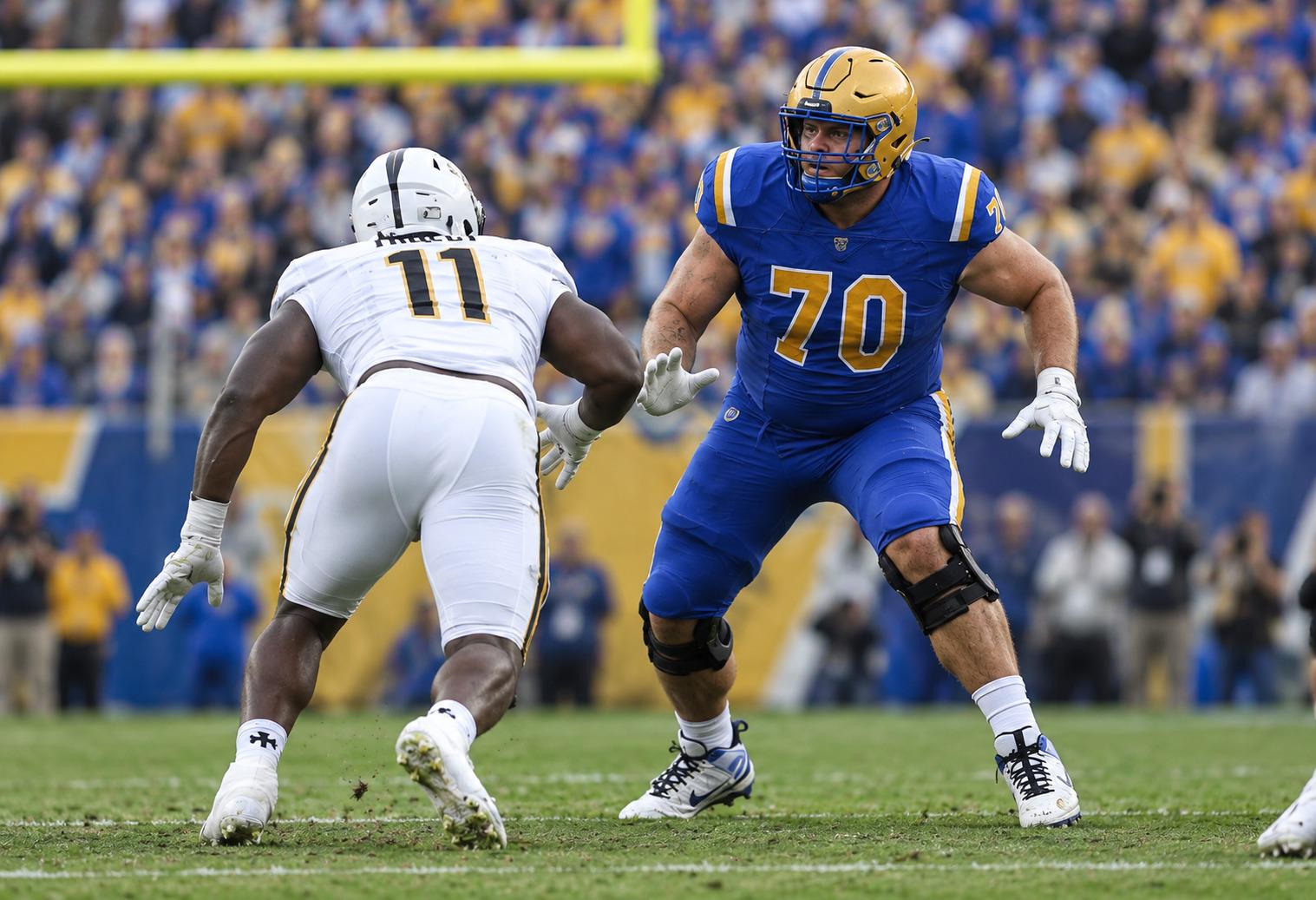
UCF offensive struggles were easy to overlook after the Knights scored 73 points in their season opener. Nine days later, a 12-7 loss at Pittsburgh showed how quickly an explosive-looking offense could become one-dimensional once the opponent controlled the line of scrimmage.
The dramatic scoring decline was not simply the difference between playing Bethune-Cookman and facing a stronger defense. Pitt exposed structural concerns involving UCF’s rushing attack, early-down efficiency and ability to create dependable answers when explosive plays disappeared.
The 73-Point Opener Created an Incomplete Picture
UCF produced 560 total yards in its 73-6 victory over Bethune-Cookman. The Knights averaged 9.3 yards across 60 offensive plays and rushed for 360 yards, consistently creating short fields, favorable downs and scoring opportunities.
That performance showed what the offense could do with space. It did not establish whether the same system could function when defenders won early downs and forced quarterback Alonza Barnett III to carry longer possessions through the passing game.
Bethune-Cookman allowed UCF to dictate tempo and distribute the ball across the roster. Against Pitt, the Knights spent most of the game reacting. They were scoreless through three quarters and entered halftime with only 74 yards on 20 offensive plays.
That contrast is central to evaluating the offense. A productive opener can reveal speed and potential, but resistance reveals reliability. Pitt supplied the first meaningful resistance of UCF’s season, and the Knights did not create enough alternatives when their preferred approach failed.
The result also extended UCF’s road losing streak to 10 games. Travel does not explain the offensive collapse, although unfamiliar settings, weather and disrupted routines can add another layer of road-game pressure for Florida programs.
UCF Offensive Struggles Began With the Run Game
The sharpest change occurred on the ground. UCF went from 360 rushing yards against Bethune-Cookman to 20 net rushing yards against Pitt.
That is more than a normal adjustment for stronger competition. The Knights averaged less than one yard per rushing attempt, leaving the offense without the balance needed to influence linebackers, slow the pass rush or create manageable third downs.
The two performances show how dramatically UCF’s operating conditions changed:
| Offensive measure | Bethune-Cookman | Pittsburgh |
|---|---|---|
| Points | 73 | 7 |
| Total yards | 560 | 206 |
| Rushing yards | 360 | 20 |
| Passing yards | 200 | 186 |
| Offensive plays | 60 | 53 |
| Yards per play | 9.3 | 3.9 |
Passing production declined only slightly, but that similarity is deceptive. Against Bethune-Cookman, the passing game complemented an overwhelming ground attack. At Pittsburgh, it had to function without meaningful rushing support.
Pitt could defend the quarterback without committing extra resources to the run. That narrowed UCF’s options and placed more pressure on protection, route timing and individual receivers to win. The Knights needed the passing game to rescue possessions rather than complete them.
Pitt Forced UCF to Earn Every New Set of Downs
UCF finished with 10 first downs, converted four of 13 third-down opportunities and failed on all three fourth-down attempts. Pitt also recorded eight tackles for loss and three sacks.
Those official game totals point to a broader problem than one failed drive. UCF could not consistently protect its playbook from obvious passing situations.
An offense becomes easier to defend when negative plays repeatedly create second-and-long or third-and-long. Screens and quick throws become predictable. Deeper routes require protection the line may not be able to provide. Fourth-down decisions then arrive without the short distances coaches want.
UCF also lacked the explosive gains that transformed its opener into a rout. Without those plays, the Knights had to sustain drives snap by snap. That demanded precise blocking and repeated execution, two qualities that Pitt prevented from developing.
The late touchdown showed the offense could still produce under urgency. It did not erase three scoreless quarters or demonstrate that UCF had solved the underlying issue. One finishing drive cannot substitute for possession-to-possession stability.
Barnett’s Injury Raises the Cost of the Breakdown
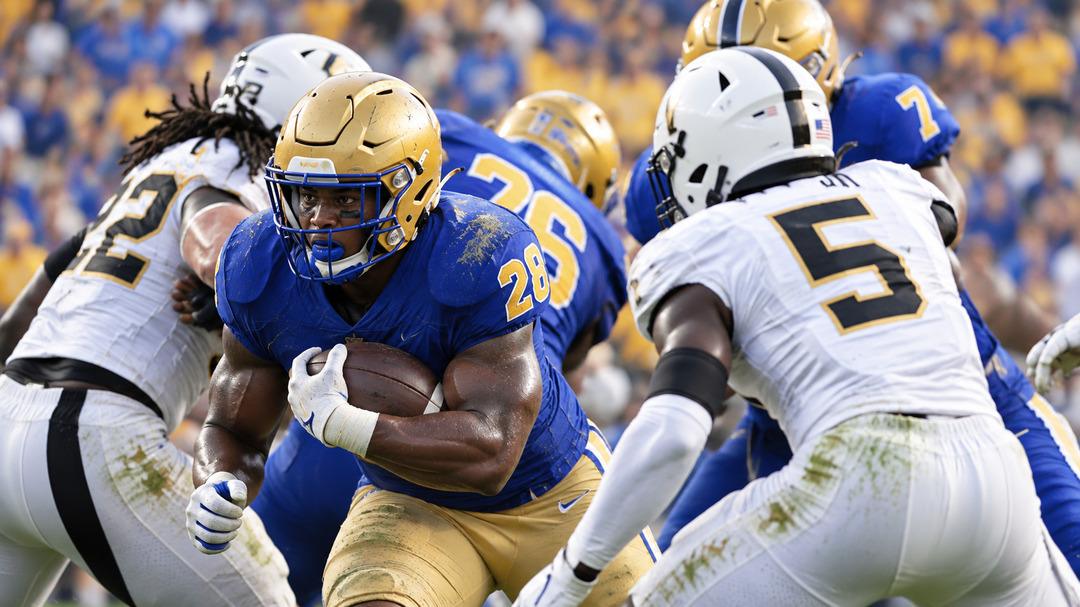
Barnett completed 20 of 31 passes for 186 yards and UCF’s lone touchdown. He avoided an interception, but the absence of a credible running game left him operating with little margin.
The quarterback then suffered a hamstring injury late in the loss. A subsequent reported hamstring absence indicated he could miss multiple weeks, potentially moving Keyone Jenkins into the starting role.
Jenkins completed all four of his passes for 42 yards and a touchdown during the opener, but replacing a starter changes more than the name behind center. Practice repetitions, designed quarterback runs, protection calls and third-down preferences may all need adjustment.
UCF cannot respond by placing the same burden on a new quarterback. The offensive line and running backs must help create safer down-and-distance situations. Short throws need to generate yards after the catch, while the play-calling must provide clear answers against pressure.
The defense held Pitt to 12 points, keeping UCF within one possession despite the offensive problems. That performance gives the Knights a workable formula, but only if the offense stops leaving the defense responsible for protecting an extremely narrow scoring margin.
The Next Two Games Will Test the Offense’s Answers
UCF hosts Georgia State before beginning Big 12 play against TCU. The Georgia State game offers a chance to correct problems, but another comfortable result would not automatically prove the Pitt issues are gone.
The more useful indicators will be rushing efficiency, negative plays and third-down distances. UCF needs to show it can generate productive runs without relying on a talent mismatch. It must also prevent tackles for loss from repeatedly shrinking the call sheet.
Coaches should be looking for drives that remain on schedule rather than another inflated point total. A balanced attack producing five or six yards at a time would say more about improvement than several touchdowns created by short fields or defensive mistakes.
TCU will provide the more consequential test because conference opponents can build directly from Pitt’s approach. Until UCF proves it can punish aggressive fronts, future defenses have little reason to respect the run before attacking the quarterback.
The opener displayed UCF’s ceiling when everything moved in its favor. Pittsburgh exposed the floor when the rushing lanes closed and every first down had to be earned. The UCF offensive struggles matter now because conference play will reward adaptability, not the size of an early-season blowout.
Frequently asked questions
Why did UCF score only seven points against Pitt?
Pitt held UCF to 20 rushing yards, generated eight tackles for loss and forced the Knights into repeated passing situations. UCF converted only four third downs and failed on three fourth-down attempts.
How different was UCF’s offense from the season opener?
UCF fell from 560 total yards and 9.3 yards per play against Bethune-Cookman to 206 yards and approximately 3.9 yards per play against Pittsburgh.
Who could replace Alonza Barnett III?
Keyone Jenkins is the likely option if Barnett remains unavailable. Jenkins completed all four of his passes for 42 yards and one touchdown during UCF’s season-opening victory.