

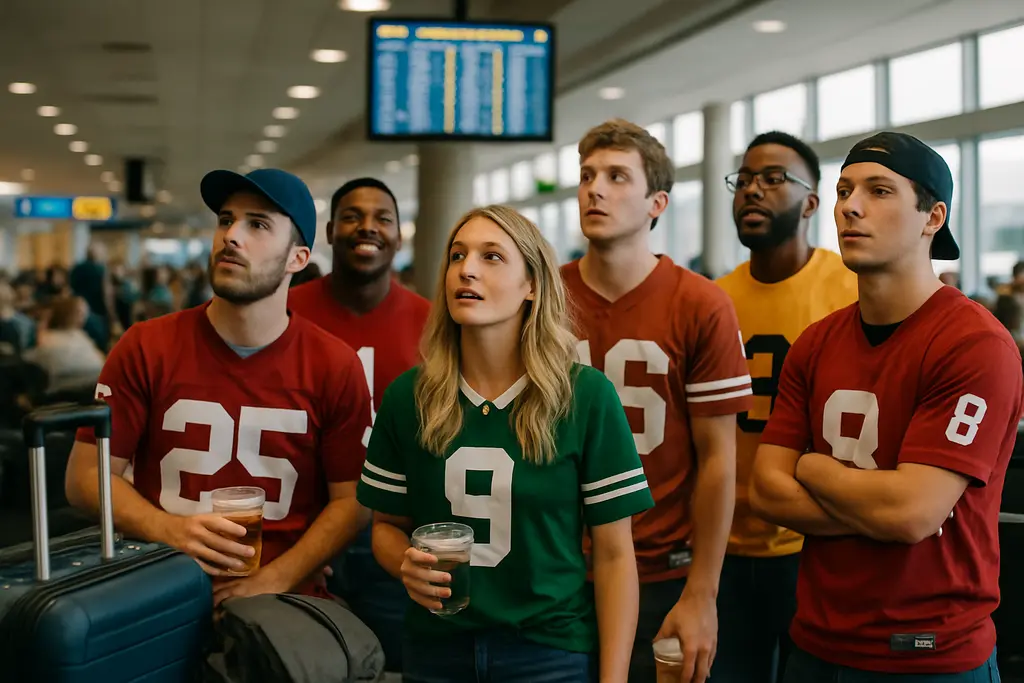
College football travel became one of the clearest storylines around the 2026 kickoff window, especially for fans trying to turn early-season games into manageable road trips. The football still decides the day, but the trip now shapes the experience before a team runs out of the tunnel. Flights, hotel timing, airport delays, campus traffic, and long return legs all influence how supporters feel by kickoff and how quickly they get home after the final whistle.
For Florida fans, this is not just a West Coast or Big Ten issue. Many local supporters follow teams across the state and across the country, from Tallahassee and Gainesville to Orlando, Tampa, Miami, and Jacksonville. Even when the matchup sits outside Florida, the lessons apply here: plan around distance, check transportation updates, respect weather risk, and treat the road environment as part of the scouting report. A smarter trip protects the best part of the weekend, which is still the game itself.
Why College Football Travel Changed Kickoff Week
College Football Travel And The Long-Mile Teams
The national travel picture entering the 2026 season showed how far some ranked programs had to move. USA TODAY estimated that preseason Top 25 teams averaged just under 3,700 one-way travel miles, with No. 14 USC listed at 8,144 one-way miles and Oregon close behind at about 7,980 one-way miles, according to a Yahoo Sports travel ranking. Those numbers matter because they frame the season before matchups even begin. A team with several long trips has to manage recovery, practice rhythm, equipment movement, and player routines differently than a team with shorter regional swings.
Fans face a parallel version of that same issue. A long football trip is rarely just a Saturday commitment. It can mean a Friday flight, a rental-car decision, two hotel nights, and a Sunday return that competes with airport crowds from other sports events. For supporters who travel as families, the cost and timing can shift quickly once kickoff windows are assigned. For alumni groups, booster clubs, and local watch-party organizers, the distance also affects how many fans decide to make the trip rather than gather closer to home.
What The Miles Mean For Florida Fans
Florida fans understand distance better than most because the state itself can turn an in-state game into a serious weekend plan. A drive from South Florida to North Florida is not a casual hop, and flying out of Miami, Fort Lauderdale, Orlando, Tampa, or Jacksonville can create very different price and timing choices. That is why college football travel has to be viewed through both team performance and fan access.
The best college football travel plans start with the schedule, but they do not stop there. Supporters should ask how far the stadium is from the airport, whether the return flight leaves enough time after the game, and whether hotel location helps or hurts game-day movement. A cheaper room far from campus may cost more in rides, parking, and stress. A later return flight may be worth it if the game ends at night and traffic is slow. Those are not luxury details; they are part of the matchday plan.
For readers building trips around Florida programs, our Florida football road-trip playbook offers a state-specific way to think about travel days, stadium access, and schedule pressure without treating every trip the same.
The Boise State Detour Shows The Fragile Side Of Trips
Weather, Airports, And The Bus Leg
One early 2026 example showed how quickly a clean travel itinerary can change. Boise State’s charter flight before its September 5, 2026 game against No. 2 Oregon was diverted to Portland because of inclement weather and a runway closure at Eugene, and the team then bused roughly 120 miles back to its hotel, arriving after 8 p.m. local time, according to a Yahoo Sports report. That was a team operation, not a fan trip, but the lesson reaches the stands.
Weather does not care how early someone booked a flight. A runway closure can change the final leg of a trip. A bus ride that looked unnecessary in the morning can become the only route by evening. For teams, that affects meetings, meals, rest, and practice rhythm. For fans, it affects hotel check-in, dinner plans, tailgate setup, and how much energy is left for kickoff.
Fan Planning Lessons From A Team Delay
That Boise State detour is a reminder to build slack into the trip. A same-day arrival can work for some short routes, but it leaves little room for a weather delay. A tight connection can save money, but it creates risk if the first flight drags. A hotel near the stadium may cost more, but it can reduce the damage if arrival time slides later than planned.
For Florida supporters flying to an early-season game, the strongest plan is often the least dramatic one. Arrive with enough time to absorb a delay. Keep ground transportation flexible. Save stadium parking details offline. Know the airport alternatives if weather affects the closest landing spot. College football travel rewards fans who think like equipment managers: what has to arrive, when does it have to be there, and what is the backup if Plan A fails?
Matchday Logistics For Florida Supporters
Build The Trip Around Kickoff Windows
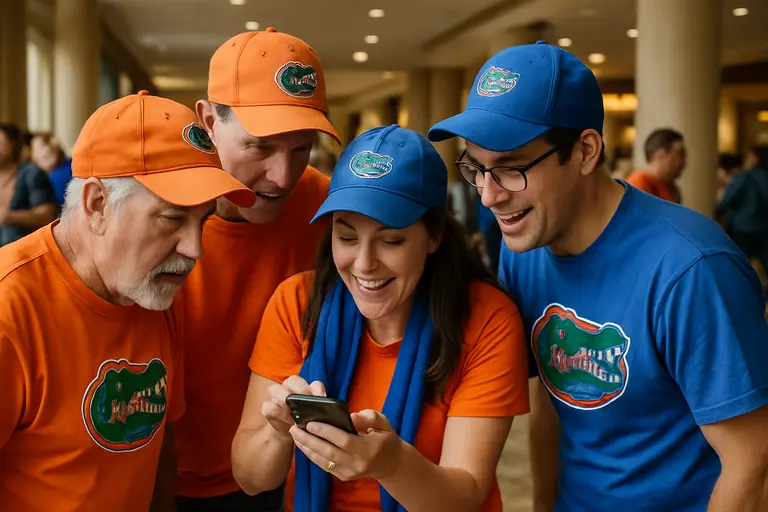
The kickoff time should drive the whole plan. A noon start usually punishes fans who try to arrive on Saturday morning, especially if the stadium is far from the airport. A late-night start can make Sunday travel harder, particularly for families and fans who need to work the next morning. A Friday game can be fun, but it may require leaving Florida on Thursday or accepting a rushed arrival.
Local fans should also consider the difference between a college town and a pro-style urban stadium setting. A campus game often concentrates traffic into fewer corridors and creates heavy walking patterns near lots, dorms, and tailgate areas. A larger city may offer more hotel options but can spread fans across downtown zones, rideshare points, and public transit stops. Neither setup is automatically easier. The right choice depends on who is traveling, how mobile the group is, and how much time they want on-site before kickoff.
Protect The Local Game-Day Experience
Good logistics do more than save time. They protect the energy of the day. A fan who spends three hours fighting parking will not experience the stadium the same way as a fan who arrives early, eats locally, walks the campus, and settles in before warmups. That matters for college football culture, especially in places where small businesses, restaurants, hotels, and campus groups benefit from a full weekend rather than a rushed four-hour visit.
Florida fans can support that local rhythm by planning around the host community rather than treating it as an obstacle. Book meals with realistic timing. Respect campus traffic instructions. Use shuttle or parking guidance when the host school offers it. Leave extra time for postgame movement, especially after rivalry games or ranked matchups. The smoother the trip, the easier it is to keep attention on the athletes, coaches, and matchups that brought everyone there.
Why College Football Travel Planning Matters For Florida Fans
Smarter Trips Keep The Football First
College football travel should not become bigger than the game, but it can decide whether the game day feels rewarding or draining. The 2026 kickoff period already showed both sides: national mileage totals that stretch programs across the map and a real weather-related detour that forced a team into a late bus ride before a major matchup. Those are not side stories. They are part of how a season is lived by teams and supporters.
For Florida fans, the takeaway is practical. Treat every road game like its own opponent. Study the distance. Check the airport plan. Keep hotel location tied to stadium access. Leave room for weather. Think about kickoff time before buying the cheapest return flight. If a group includes kids, older relatives, or fans with mobility needs, build the day around comfort and access before adding tailgate extras.
The same mindset helps local sports communities. Better planning means more fans arrive early, spend locally, and bring better energy into the stadium. It also reduces the kind of last-minute stress that turns a strong matchup into a frustrating weekend. The goal is simple: make the trip sturdy enough that the football can stay at the center of the memory.