

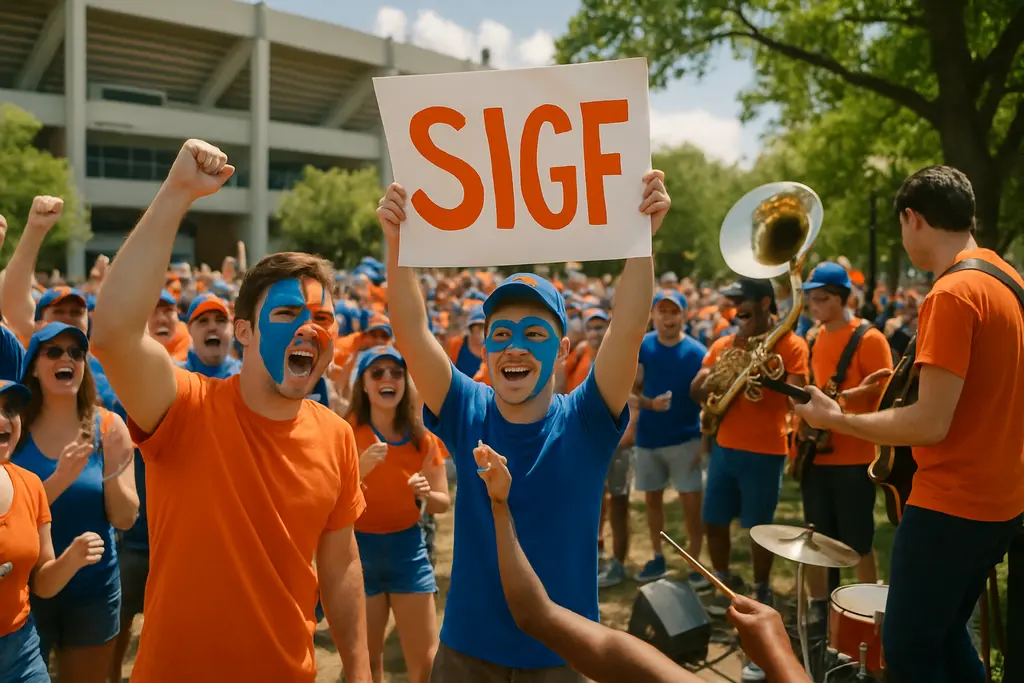
For UF football fans, a Saturday in Gainesville is not limited to four quarters inside Ben Hill Griffin Stadium. It starts with family routines, campus walks, tailgate setups, restaurant stops, hotel bookings, alumni reunions and the steady movement of orange and blue across town. The football game is the center, but the culture around it gives the weekend its local meaning.
That local meaning can be measured, at least in part. In fiscal year 2023-24, the University of Florida contributed $19.57 billion in industry output to Florida’s economy and supported 134,411 jobs statewide, while non-resident visitors attending UF events, including athletic contests, spent more than $307 million, according to University of Florida News. Athletic events also accounted for about 28 percent of total nonresident visitor-days at UF venues during that period, according to UF Economic Impact.
Those figures do not tell every story heard from a Gainesville sidewalk on a home football weekend. They do, however, confirm what local fans, servers, shop owners, hotel workers and campus staff see each fall: Florida football pulls people into town, and the town adjusts around that pull. For more on the way football spending connects to Gainesville’s identity, our related breakdown of the Gators football economy tracks the same relationship from the stadium outward.
Why UF football fans Shape Gainesville Saturdays
What UF football fans Bring Beyond Noise
The crowd inside The Swamp is the most visible part of the weekend, but fan presence begins much earlier. Cars arrive from across Florida and beyond. Alumni return to familiar corners of campus. Families build the day around kickoff. Students turn the walk to the stadium into a shared ritual. Local businesses feel that rhythm because football compresses thousands of decisions into a short window: where to eat, where to park, where to meet, where to stay and how long to remain in town after the game.
For UF football fans, that pattern is part of belonging. A home game gives supporters a reason to reconnect with classmates, introduce children to campus and pass down routines that feel personal even when the crowd is massive. The same burger stop, the same walk under the trees, the same photo outside the stadium, the same postgame meal after a win or loss — those details are why college football culture lasts across generations.
The Stadium As A Community Anchor
Ben Hill Griffin Stadium is more than a venue on those weekends. It is the point that organizes traffic, conversations, work schedules and family plans across Gainesville. The stadium gives the city a clock. Morning tailgates, midday restaurant surges, late-afternoon check-ins and postgame crowds all move in relation to kickoff.
That anchor effect helps explain why athletic visitor-days matter in UF’s wider economic picture. A visitor-day is not just a person passing through a gate. It can mean a hotel room, fuel purchase, local meal, campus bookstore stop or extra staffing need. Football concentrates that activity in a way few other local events can match.
How Game-Day Culture Reaches Local Businesses
Restaurants, Retail And Lodging Feel The Rush
Game-day culture reaches businesses through timing. A restaurant may see its biggest pressure before kickoff or after the final whistle. A hotel may feel demand days before the first tailgate tent goes up. A shop selling Florida gear may see traffic tied to visiting alumni, families of students and fans who want something fresh before heading toward the stadium.
The important point is that the football weekend creates predictable opportunity and predictable strain. Local operators have to think about staffing, supplies, customer flow and service speed. Fans may think of a pregame meal as tradition, but for the business serving that meal, it is an operational test repeated across the home schedule.
This is where the bond between team and town becomes practical. If fans spend locally, arrive with patience and respect workers handling heavy crowds, the weekend functions better for everyone. If businesses prepare well and keep the experience welcoming, fans are more likely to make Gainesville part of their football routine instead of treating the city as only a stadium stop.
Visitor Spending Carries A Sports Identity
The verified UF economic figures show that non-resident visitor spending tied to university events is not a side note. More than $307 million in such spending during fiscal year 2023-24 points to a large flow of people and money connected to UF activity. Athletic events’ share of nonresident visitor-days shows how much of that movement is linked to sports.
For Gainesville, the value is not only financial. Football weekends put the city in front of people who may return for graduation, campus visits, other sports, conferences or family trips. The first impression may come from a parking attendant, a breakfast counter, a hotel desk or a server managing a packed room before kickoff. That makes local business engagement part of the fan experience, not separate from it.
What Fan Planning Means Around The Swamp
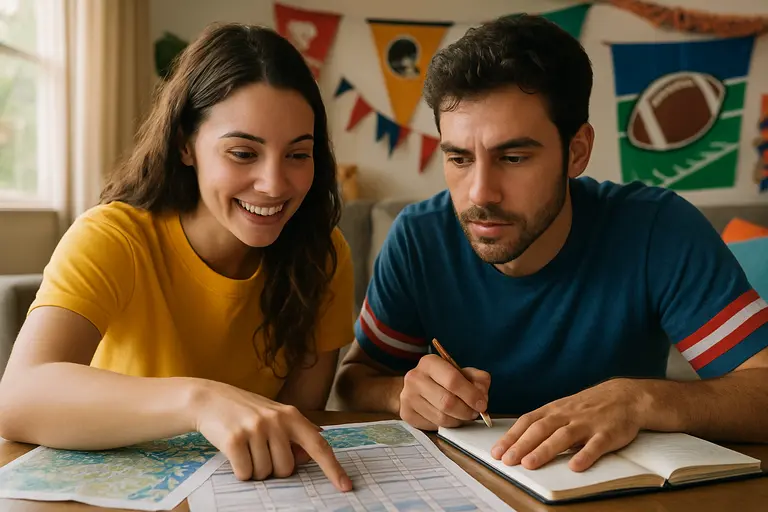
Good Weekends Start Before Kickoff
A smooth Gainesville football weekend usually starts with planning. Fans should think through arrival time, lodging distance, parking location, meal timing and the walk to Ben Hill Griffin Stadium. The most stressful game-day problems are often not football problems. They are timing problems: arriving too late, underestimating crowds, choosing a restaurant without enough time or assuming a familiar route will move the same way it does on a quiet weekday.
That kind of planning matters for families, older alumni, visiting fans and students hosting relatives. Gainesville is deeply used to Gators football, but the city still changes when a home crowd arrives. Side streets fill. Campus paths get crowded. Restaurants face waves of orders. Patience and preparation help keep the day centered on the game rather than preventable frustration.
- Build extra time into arrival plans, especially for meals and parking.
- Support Gainesville businesses before or after the game when crowds are easier to manage.
- Check official campus and athletics guidance before setting up tailgates or choosing lots.
- Treat workers, visiting fans and neighbors as part of the game-day community.
Culture Is Built Through Repetition
The strongest college football traditions are not created by one event. They are built through repetition. Fans return to the same pregame locations. Business owners recognize regulars. Students learn the rhythm of home Saturdays and later come back as alumni. Parents explain old routines to children. Those repeated acts turn a football schedule into a civic calendar.
That is why local business engagement should be viewed as part of Florida football culture. A full stadium creates sound. A connected town creates memory. Gainesville’s restaurants, hotels, shops and gathering places help carry those memories from one home date to the next.
Why UF football fans Matter To Gainesville Saturdays
UF football fans matter because they give Gainesville game days their scale and their personality. The university’s economic data shows the size of the larger UF footprint, and athletic events clearly account for a meaningful share of visitor activity. But the fan experience is still built at street level, where people choose local places, keep traditions alive and make the weekend feel shared.
The best version of a Florida home game is not only loud inside The Swamp. It is organized, welcoming and connected across town. It respects the workers who carry the rush, the residents who live with the traffic, the families making memories and the students who give the weekend its campus energy.
As of September 9, 2026, the clearest verified picture is this: UF’s presence produces major statewide economic activity, and athletic events are a significant part of the visitor flow around university venues. For Gainesville, that means football Saturdays remain both a sports event and a local business moment. The fans who understand both sides help keep the culture strong where it matters most — in the community around the game.