

The Rays mixed-use development story has moved beyond renderings and funding votes. For Tampa Bay baseball fans, it has become a local trust test: can a major stadium district strengthen the region’s sports identity without leaving residents feeling shut out of the process? That question matters because the Rays are not just asking for a new place to play. The proposal is tied to a larger entertainment district, public financing, civic pride, jobs, and the way neighborhoods around Tampa experience game-day growth.
As of September 7, 2026, the public conversation has already passed several key markers. A June 12, 2026 survey of 612 active Hillsborough County voters found belief in potential benefits, but it also showed clear doubt about using public money. Roughly 45% supported public dollars for construction, while 52% opposed that approach, according to a WUSF survey. That split captures the baseball mood in Tampa Bay better than any slogan could: people can want the Rays to have a stronger long-term home and still question how the bill gets paid.
Why Rays mixed-use development Concerns Matter
Stadium debates often get reduced to yes-or-no arguments. In Tampa Bay, the better frame is more local and more personal. A Rays ballpark conversation touches fans who want reliable MLB baseball in the region, residents who worry about affordability, small businesses that hope for game-day traffic, and taxpayers who want a clear account of public costs.
Rays mixed-use development And The Voice Gap
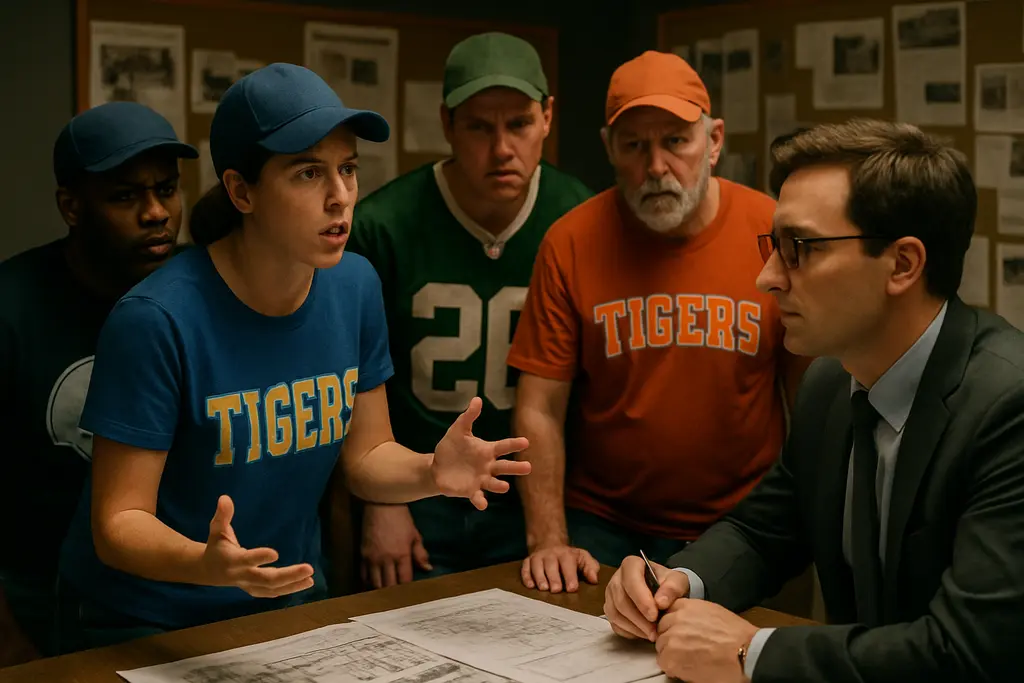
The survey’s most revealing number may not be the funding split. Only about 1 in 5 respondents, or 21%, felt residents had a real say in the decisions. That is a serious warning sign for a sports project that depends on local attachment. Ballparks work best when they feel like shared civic spaces, not projects that arrive after the big decisions have already been made.
The same survey showed why the issue is not simple opposition. Majorities agreed the project would create jobs at 75%, improve entertainment options at 68%, and serve as a point of civic pride at 65%. That means many residents see the promise of Rays mixed-use development, but they are not automatically comfortable with the process or the public funding structure.
Why Trust Shapes The Baseball Story
Trust matters because baseball is built on routine. Fans build summers around homestands, family ticket plans, parking habits, local restaurants, and postgame traffic routes. A stadium district changes that routine. If residents do not believe officials are being open about costs and benefits, even a popular team project can feel like it is moving faster than the community around it.
The survey numbers show that trust gap in direct terms. Fifty-two percent of respondents disagreed that city leaders were doing the right thing, while 33% agreed. Only 34% believed officials had been open and honest about costs and benefits. For Rays fans, that creates an uncomfortable mix: the dream of a stronger ballpark future sits beside doubt about how the plan has been explained.
Public Dollars And Local Trust
The public money debate is not a side issue. It is the center of the local sports argument. Tampa Bay has lived through years of uncertainty around the Rays’ long-term home, and many fans are tired of franchise-location questions hanging over every season. Still, wanting stability does not erase questions about public contribution, accountability, and whether residents will see benefits beyond a better ballpark experience.
Support For Jobs, Doubt About Funding
The survey points to a practical divide. Voters can believe a stadium district may create jobs and strengthen entertainment options while still opposing public dollars for construction. That is not contradictory. It reflects a region asking for a clearer tradeoff: What does the public pay, what does it receive, and how are local neighborhoods protected from costs that do not show up in a stadium press event?
For fans, this is where the conversation should stay sports-first but not sports-only. The Rays’ future venue would affect attendance habits, local revenue around game days, and the team’s ability to present a stable home to players, sponsors, and MLB. At the same time, Tampa Bay residents are asking whether the financing plan respects people who may rarely attend a game but still help fund the project through public mechanisms.
What Residents Are Really Asking For
The loudest community concern is not simply anti-baseball. It is about voice. Residents want to know how decisions are made, what costs are fixed, what costs can grow, and how the larger district fits with daily life. If those answers are vague, support for the baseball vision can soften, even among people who want the Rays to remain a Tampa Bay fixture.
That should matter to the club and local leaders. A ballpark district is judged not just on opening day, but during the weekdays, off-days, concerts, restaurant traffic, construction windows, and school-night games that shape a neighborhood’s rhythm. If people feel heard before those changes arrive, the project has a better chance to become part of local sports culture rather than a permanent argument.
Fan Experience Beyond The Ballpark
A new stadium district is often sold through the parts fans can picture: shorter walks to food and drink, more pregame options, and a setting that keeps people around after the final out. Those benefits are real enough to explain why 68% of survey respondents saw stronger entertainment options as a possible outcome. But the fan experience also depends on basics that rarely get the spotlight.
Traffic, Access, And Neighborhood Rhythm
Game-day access is where stadium planning becomes a family conversation. A good venue plan must answer how people arrive, where they park, how rideshare zones work, how older fans and families move through the district, and how nearby roads handle a summer night crowd. If those answers lag behind the financing vote, skepticism grows.
Local fans understand this from other Tampa sports experiences. A game is not just the first pitch. It is the drive after work, the cost of parking, the walk with kids, the heat, the rain delay plan, and the route home. A mixed-use district can improve that experience if it is built around real fan movement. It can also frustrate people if access feels secondary to development value.
Why Civic Pride Needs Community Buy-In
The civic pride number from the survey, 65%, suggests Tampa Bay residents understand the emotional pull of a major sports home. The Rays have spent years representing a region that has often had to defend its baseball identity nationally. A long-term ballpark solution could help answer that. But civic pride cannot be assigned from a dais. It grows when fans and residents believe the place belongs to them.
That is why the community participation issue should be treated as part of the baseball plan, not a public-relations problem after the fact. A stadium district with local buy-in can become a gathering place. A project that leaves people feeling ignored can struggle to earn the kind of loyalty a home ballpark needs.
What Tampa Leaders Already Approved
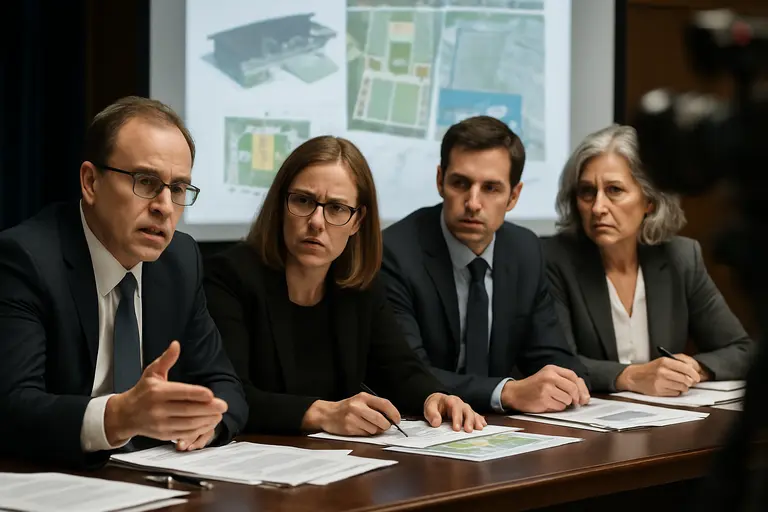
The debate changed on August 28, 2026, when local approvals gave the project new momentum. The broader financing plan was approved by Hillsborough County and Tampa officials, and Hillsborough County voted 5-2 to commit its $796 million share toward the mixed-use entertainment district that includes the proposed stadium, according to the AP report. The same reporting framed the proposal as a $2.3 billion stadium project.
The August 28 Financing Vote
That approval did not erase community concerns. It sharpened them. Before a vote, residents can debate whether a plan should move. After a vote, the conversation shifts toward oversight, timelines, safeguards, and whether promised public benefits are tracked in a way people can understand.
For the Rays, the approval matters because it gives the franchise a clearer path than many prior stadium discussions. For Tampa Bay fans, it raises a more immediate question: will the next phase bring clearer public communication, or will skepticism harden as the project moves from proposal to execution?
What Approval Does Not Settle
A financing approval is not the same as community confidence. The survey showed that many residents believe in jobs, entertainment, and pride, yet still question public spending and the openness of local leaders. Those concerns will not fade because a vote passed. They will be measured by what happens next: public updates, cost clarity, construction impact planning, and whether residents see their input reflected in the project.
The strongest sports venues are not only funded. They are accepted. That acceptance takes repeated proof, especially in neighborhoods that expect to carry the traffic, noise, and cost pressures that can come with a major development.
What Rays mixed-use development Means For Tampa Baseball
The Rays mixed-use development debate is really a test of how Tampa Bay wants to build its baseball future. The region can support a more secure home for the Rays while still demanding a fairer, clearer, more public process. Those positions can exist together, and local leaders should treat them as a serious civic message rather than a barrier to progress.
If the project moves forward with better communication, practical fan access planning, and visible community benefits, it can strengthen the bond between the Rays and the region. If residents continue to feel that decisions are happening around them instead of with them, the stadium could open under a cloud of avoidable resentment.
For local fans, the standard should be simple. Tampa Bay deserves MLB stability, but it also deserves a stadium district that respects the people who live with the results long after the last pitch of a homestand. That is the balance the next phase has to prove.