

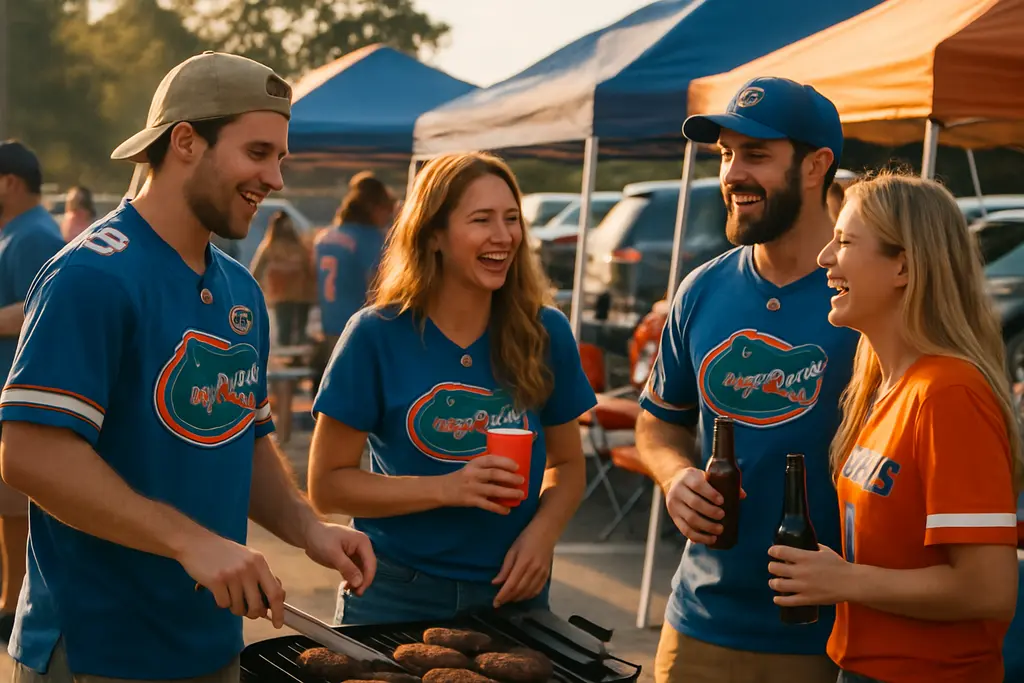
The Gators parking scramble was more than a pregame inconvenience before Florida’s September 5, 2026 home opener against Florida Atlantic University. It was part of the identity of a Gainesville football Saturday: students moving cars, families weighing arrival times, neighborhood residents opening yards, and fans trying to reach Ben Hill Griffin Stadium without losing the day to traffic. For a program whose home field pulls tens of thousands toward the same blocks near campus, transportation is not separate from the fan experience. It shapes how the day feels before the first snap.
That pressure returned in visible form around the 2026 opener. The Independent Florida Alligator reported that Florida’s 2026–27 season began on September 5, 2026 against Florida Atlantic and that campus-wide parking demand was expected to surge around the game local parking report. UF Transportation and Parking Services also issued specific September 4 instructions for student permit holders in affected areas, including vehicle movement deadlines and warnings that vehicles left in restricted areas could be relocated at the owner’s expense UF parking notice.
For local fans, this was not a new storyline. It was the annual reset button. Gainesville changes when the Gators play at home, and the shift is most obvious in the fight for space near campus. The traffic pattern, the student routine, the walk to the stadium, and the timing of tailgates all become part of the same football ecosystem.
Why The Gators Parking Scramble Shapes Game Day
Gators Parking Scramble Starts Before Kickoff
The Gators parking scramble starts long before fans see the stadium. For students, it can begin with a campus email or official notice telling them a normal parking spot is no longer normal. For out-of-town fans, it begins with the decision of whether to chase a closer space, use a remote option, pay for a private spot, or get dropped off near the edge of campus.
That is what makes Gainesville different from a pro-stadium district built around large surrounding lots. Florida football is woven into the University of Florida campus, nearby student housing, older neighborhoods, restaurants, bars, churches, and tight local streets. The stadium’s pull is huge, but the space around it is not unlimited. Every home game asks the city and campus to absorb a temporary crowd wave.
The Alligator’s reporting also described how local residents around Gainesville and UF students have used driveways and yards on game days, with some properties fitting 20 to 25 cars. That detail says a lot about the local economy around Florida football. Parking becomes a side business, a neighborhood negotiation, and sometimes the difference between a smooth arrival and a long walk from a space found by luck.
Student Lot Moves Affect More Than Students
UF’s September 4 parking notice mattered because student relocations can ripple through the whole fan day. When campus lots shift from weekday use to game-day operations, the burden does not land only on students. It changes where visitors expect open space, where traffic stacks up, and how early people decide to arrive.
For student permit holders, the instruction to move vehicles from affected “Any Permit” areas by a set time created a hard deadline. For fans, the larger message was just as clear: game day in Gainesville rewards planning. A person who treats a Florida home game like a normal campus visit is likely to run into trouble. The people who understand the routine know that Friday afternoon can matter almost as much as Saturday morning.
That is why local transportation coverage belongs in a team profile space. The Gators are not only defined by roster decisions, coaching choices, and SEC matchups. They are also defined by the way Gainesville builds a weekly rhythm around them. A home game changes the city’s movement patterns, from student lots to neighborhood yards to the walkways feeding the stadium.
How Gainesville Fans Adapt To Stadium Access
Private Parking Becomes Part Of The Local Routine
The Gators parking scramble has created its own informal marketplace. Near campus, a driveway can become a game-day asset. A yard can become a temporary lot. A resident who normally sees quiet weekend traffic may suddenly become part of the football economy. That arrangement is not just about money. It reflects how Gainesville absorbs the size of Florida football.
For fans, private parking can feel familiar and personal. Some families return to the same house or block every home game. Others hunt for a sign, a hand wave, or an open strip of grass as they get closer to campus. That local habit gives Florida game days character, but it also adds uncertainty. Prices, availability, walking distance, and exit routes can vary by block.
This is where fans often make the same calculation teams make before a road game: what reduces stress before kickoff? A closer space may save walking time but cost more and take longer to exit. A farther space may be cheaper and less chaotic but requires better timing. Ride-share and transit can reduce the parking hunt but add pickup and drop-off decisions after the game.
Transit Choices Reflect A Changing Fan Strategy
Some fans have responded by shifting away from the old goal of finding the closest possible parking spot. The research notes point to fans using ride-shares and transit to avoid parking uncertainty and expense. That choice fits a broader Gainesville reality: the easiest route into campus is not always the easiest route out.
Remote transportation options can help spread out pressure, especially when fans are willing to arrive earlier and leave with patience. They also change the social rhythm of the day. A tailgate built around a private lot or yard feels different from one built around a shuttle drop-off, but both can still lead into the same Swamp atmosphere. The key is knowing which version of game day fits the group.
For a deeper local planning angle, our related breakdown of Gators parking challenges tracked how lot closures, student relocations, and stadium access shaped the opener week. The same theme holds after September 5: the football calendar can change a campus routine before the team ever runs out of the tunnel.
Safety, Timing, And The Walk To The Swamp

Foot Traffic Is Part Of The Football Crowd
The Gators parking scramble is also a pedestrian story. Once fans park, get dropped off, or leave a transit stop, they become part of the walking crowd moving toward Ben Hill Griffin Stadium. That movement can be one of the best parts of a Florida home game: orange and blue on sidewalks, tailgate smoke in the air, families reconnecting at familiar corners, and students pulling friends toward the gates.
It can also create pressure points. The research notes include traffic study findings that pedestrian volumes rise before kickoff and that pedestrian-vehicle conflict rates increase during those periods. Even without adding claims beyond that, the practical lesson is simple: the hours before kickoff are not normal traffic hours near campus. Drivers, walkers, cyclists, and ride-share vehicles are all trying to use the same limited corridors at the same time.
For fans, the safest plan is often the least rushed plan. Arriving with extra time can reduce risky street crossings, hurried drop-offs, and last-minute turns into crowded areas. Families bringing children or older relatives should think about walking distance as much as parking distance. A spot that looks close on a map may feel different in heat, crowding, or postgame darkness.
Postgame Exit Plans Matter Too
Most parking advice focuses on arrival, but the exit can define the memory of the trip. A great game can turn frustrating if a fan spends the next hour trapped in a line of cars with no clear route out. Neighborhood spaces, campus garages, ride-share pickups, and remote lots all have different postgame rhythms.
That is why fans should plan both halves of the trip. Where will the group meet if cell service slows? Which street will be used after the game? Is the goal to leave quickly, or to wait out the first traffic wave? Those answers matter more in Gainesville because so much of the game-day crowd funnels through campus edges and nearby streets.
For students, the postgame reset also matters. Campus has to return to weekday function after football. Cars that were moved before game day have to come back. Lots used for fans have to shift back to student and staff use. That cycle is part of the hidden labor behind every Florida home weekend.
What The Parking Scramble Says About Gator Identity
A Local Test Of Patience And Pride
The Gators parking scramble says something real about Florida football culture. Gainesville is not a neutral host site that wakes up six or seven times a year for a stadium event. It is a college town where football saturates campus life, student schedules, neighborhood routines, and small business opportunities.
That connection is why the parking strain does not push fans away as much as it forces adaptation. People learn their preferred routes. They remember which blocks clear faster. They know which friends have a reliable space. They keep mental notes on how early to leave for an afternoon kickoff or a night game. The scramble becomes part of the shared language of being a Florida fan.
It also shows why local planning has to be treated as part of sports coverage. Transportation affects atmosphere. Atmosphere affects home-field energy. Home-field energy affects how fans talk about the team and how opponents experience The Swamp. The road into the stadium is not the game, but it frames the way the game is felt.
The Fan Experience Extends Past The Gate
The Gators parking scramble will keep mattering because Florida football crowds are large enough to reshape the city around each home date. The September 5, 2026 opener against Florida Atlantic put that pattern back in front of students, residents, and alumni. UF’s September 4 parking instructions showed how early operations begin. The Alligator’s local reporting showed how deeply parking pressure reaches into Gainesville neighborhoods.
For fans, the smartest takeaway is practical rather than dramatic: treat transportation as part of the game plan. Check official UF parking instructions before home weekends. Decide early whether a private spot, remote option, ride-share, or transit route fits the group. Build in walking time. Plan the exit. Respect student relocation rules and neighborhood spaces.
Florida football has always been about more than the scoreboard in Gainesville. It is the weekly movement of a campus and city toward The Swamp. The parking scramble is frustrating, familiar, and deeply local. For Gator fans, managing it well is one more way to protect the best part of the day: getting to the stadium ready for football, not worn down by the trip.