

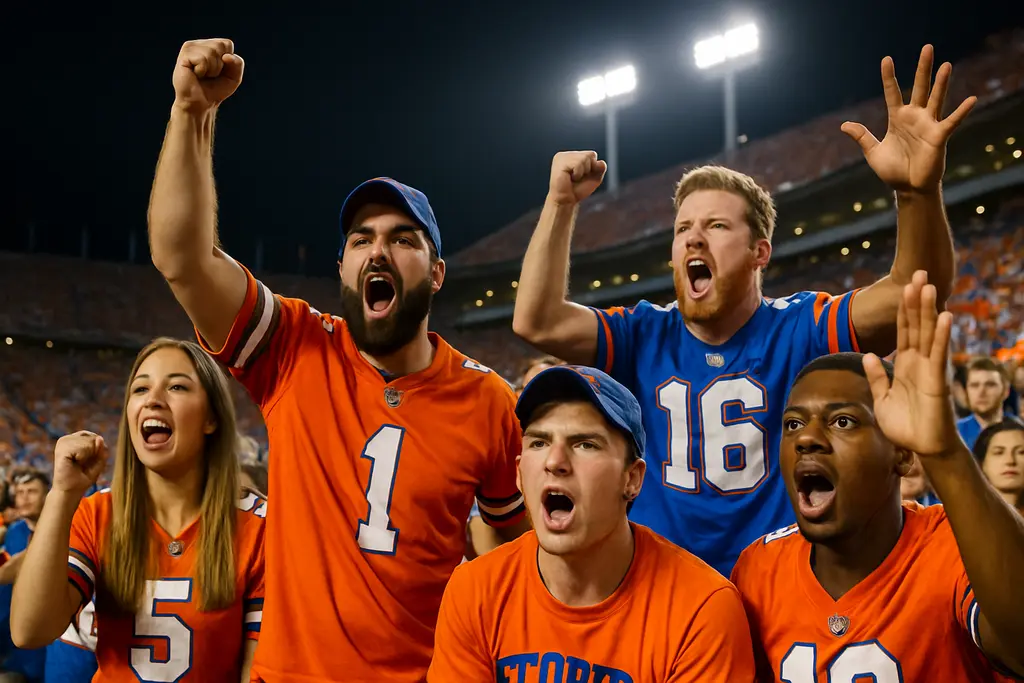
The Florida Auburn road test on September 19, 2026, gave Gators fans a true early read on Jon Sumrall’s first SEC road night. Florida’s 44-39 win at Jordan-Hare Stadium was more than a high-scoring result. It was the program’s first road game of the 2026 season, its SEC opener, and a rare Gainesville-to-Auburn trip in a series that had not sent Florida to Jordan-Hare since October 15, 2011.
For fans, the trip carried two stories at once. On the field, Florida needed to prove its early-season form could travel. In the stands and around town, Gators supporters had to manage one of the SEC’s louder settings, a 7:00 p.m. ET kickoff, and the kind of pregame attention that can stretch a normal road Saturday into a full-day event. The result left Florida with a statement road win and gave fans useful lessons for future SEC travel.
Florida Auburn road test Recap From Jordan-Hare
How The Florida Auburn road test Started A New SEC Chapter
Florida’s visit to Auburn was set for Saturday, September 19, 2026, at 7:00 p.m. ET, and UF identified the game as the Gators’ first road game and SEC opener in its broadcast information Florida broadcast details. That timing mattered. A first road game is always a checkpoint, but this one also placed Sumrall’s new Florida staff into conference play away from Gainesville before the Gators had a softer travel rhythm.
The coaching angle sharpened the night. Florida had Sumrall in his first year, while Auburn had Alex Golesh in his first SEC season on the Plains. That made the game less about long-established coaching tendencies and more about how two new staffs would handle pressure, substitutions, tempo, and fourth-quarter management in a conference setting.
The final score showed Florida had enough answers. The Gators beat Auburn 44-39, surviving a game that carried more pace and scoring than many fans may have expected from an SEC opener in a historically tough road stadium. For Sumrall, the win mattered because Florida had gone 0-6 away from Gainesville in 2025, according to the research supplied for this matchup. The Auburn result did not erase every road question, but it changed the tone of the conversation.
The Scoreline And The Ground Game
The clearest statistical separation came in total offense and rushing production. Florida gained 495 total yards on 76 plays, while Auburn finished with 373 yards on 66 plays. The rushing gap was even more direct: Florida had 243 yards on the ground, while Auburn had 102.
That rushing edge fit the pregame focus around Jadan Baugh. The Florida junior entered the Auburn game with 600 rushing yards and 11 touchdowns through four games in 2026, averaging 150 rushing yards per game. Auburn’s defense had been framed as a major test under coordinator DJ Durkin, with Auburn allowing 20.3 points per game across its previous 26 games, a mark Auburn listed as ninth nationally and third in the SEC during that stretch Auburn opening drive.
Third down did not tilt heavily in Florida’s favor. The Gators converted 7 of 16 third downs, while Auburn converted 6 of 13. That made Florida’s yardage edge and rushing volume even more meaningful. UF did not simply control the game through one situational category. It built enough offense across the night to withstand Auburn’s scoring pushes.
Why Jordan-Hare Framed The Night
Series History Gave The Trip Extra Weight
The Florida Auburn road test carried a history that was hard to ignore. Auburn led the all-time series 43-39-2 entering the matchup, including a 26-8-1 edge against Florida at Jordan-Hare Stadium, according to Auburn’s official preview. Florida and Auburn had not played each other since 2019, and Florida had not played at Jordan-Hare since a 17-6 Auburn win on October 15, 2011.
That gap shaped the fan experience. Many younger Gators fans had not built a road routine for Auburn the way they may have for more frequent SEC destinations. The trip was familiar as a conference name, but unfamiliar in practical terms: parking flow, campus rhythm, tailgate layout, stadium entry, and postgame traffic patterns all required fresh attention from Florida supporters.
It also gave the game a different emotional feel than a standard rotating opponent. Florida had not won on the road against Auburn in more than 27 years, having played there only twice during that span. When a program returns to a venue after that long, the crowd energy is not just about the current standings. It carries memory, frustration, and a sense of scarcity for traveling fans who may not get another chance soon.
Broadcast Window Shaped Fan Planning
The 7:00 p.m. ET kickoff created a full-day schedule for fans in Auburn. A night game gives travelers time to arrive, settle in, and spend hours around campus, but it also stretches the day. Heat, traffic, restaurant demand, tailgate timing, and late-night exits all become part of the plan.
UF’s broadcast information listed ESPN coverage, with pregame radio and streaming options that included Gator Sports Network, ESPN Radio, WRUF, and stations identified by Florida. For fans who made the trip, that mattered for family and friends back home. Road games often split a fan base between the stadium and watch parties across Gainesville, Jacksonville, Tampa, Orlando, and other Florida communities.
The pregame scene was also larger than a normal campus Saturday because research for the matchup noted interest around SEC Nation and the Paul Finebaum Show. Fans who arrived early were better positioned to take in that atmosphere, move around campus before crowd pressure built, and avoid compressing every errand into the hour before kickoff.
Fan Travel Lessons From Auburn
Arrival Timing And Tailgate Pressure
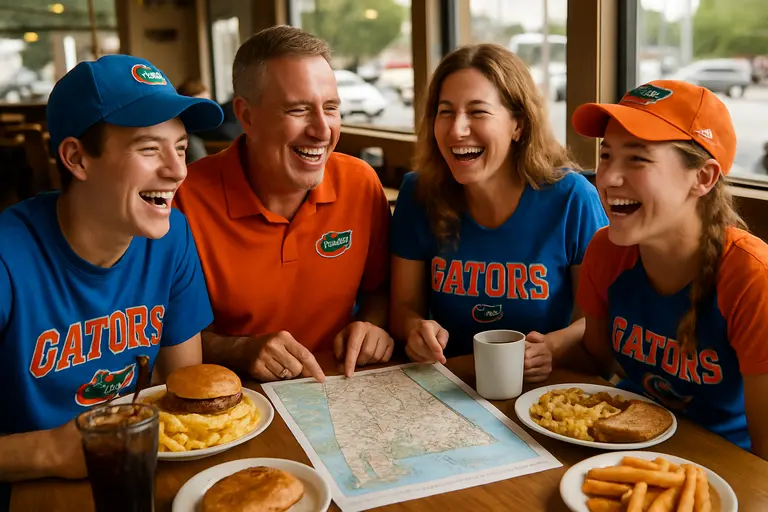
The Auburn trip reinforced a basic SEC travel rule: the bigger the game-day footprint, the earlier fans should build their schedule. Auburn had been historically strong at home in SEC openers, including a 21-5 record when opening SEC play at Jordan-Hare, according to the matchup research. That kind of setting does not reward late decisions.
For Florida fans, this was not a trip where arrival could be treated casually. The combination of a night kickoff, a rare series visit, national pregame programming, and the SEC opener made campus timing a real part of the experience. Fans who left room for traffic, walking time, mobile entry checks, and tailgate visits likely had a calmer day than those who tried to time the trip tightly.
- Build extra time into SEC road trips when kickoff lands at night.
- Check official school updates before leaving, especially for broadcast, radio, and game-day notes.
- Plan postgame exits before kickoff, since late finishes can limit food, fuel, and return options.
- Treat rare road venues as unfamiliar, even if the opponent is a long-time conference name.
For fans mapping out future conference weekends, broader habits around hotels, arrival windows, and campus movement still apply. A useful companion for that planning is our Gators SEC travel logistics breakdown, which fits the same road-calendar mindset without reducing the trip to a ticket-and-drive decision.
What Gainesville Fans Can Carry Forward
The Florida Auburn road test showed that travel planning and football analysis are connected. A loud road crowd can affect communication. A late kickoff can change team and fan routines. A long day on campus can make patience and timing just as valuable as enthusiasm.
Florida’s performance gave traveling fans something to carry home beyond the score. The Gators produced 495 yards, ran for 243, and won a game that demanded offensive answers deep into the night. For a fan base that had watched the 2025 team struggle away from Gainesville, that mattered. Road confidence is built through results, but fan belief is built through shared experiences in places where winning has not come easily.
Auburn also offered a reminder that SEC road trips have local economic and community layers. Fans buy food, use hotels, fill parking areas, and move through campus traditions that belong to the host city. Good visiting fans respect that setting while still bringing their own color, sound, and identity. That balance is part of what makes college football travel feel different from a neutral event.
Why The Auburn Road Win Still Matters For Florida
The Florida Auburn road test will likely remain one of the defining early markers of Sumrall’s first Florida season because it answered several questions at once. The Gators handled their first road game. They opened SEC play with a win. They ended a long wait for a successful trip to Auburn. They did it in a stadium where the historical numbers favored the home side.
That does not mean every concern disappeared after September 19, 2026. Auburn still scored 39 points, and Florida had to keep producing offense to stay in front. But the night gave Florida a road result that felt connected to real progress rather than empty optimism. For local fans, it also gave shape to the season: the Gators were not just defending The Swamp; they had shown they could take a plan into a difficult SEC setting and leave with a win.
The fan lesson is just as clear. Road games reward preparation. Florida supporters who understood the kickoff window, respected the Jordan-Hare setting, and treated the trip as more than a standard Saturday got a better version of the experience. After a 44-39 win in Auburn, the story is not only that Florida passed its first major travel test. It is that Gators fans got a fresh reminder of how much road football can reveal about a team, a fan base, and the culture that follows both across state lines.