


The phrase coaching changes can sound like a line from an athletic department memo, but in local high school football it reaches much deeper. A head coach is often the person who connects varsity players, middle school prospects, parents, alumni, booster clubs, teachers, and Friday night businesses into one shared routine. When that position turns over, the effect is felt in the weight room, the school hallway, the stands, and the memory of a town that measures autumn by kickoff.
That is why the 2026 Georgia high school football offseason offers a useful case study for Florida readers. Georgia is not Florida, and its numbers should not be treated as a Florida count. Still, the states share a Southern football culture where small towns, suburban districts, and fast-growing school systems attach civic pride to the same basic question: who is leading the program, and can families trust the direction?
Why Coaching Changes Strain A Program
Coaching Changes And The 2026 Georgia Signal
By January 31, 2026, Georgia had 74 high school football head coach openings, the highest number through that date in the decade, according to the Atlanta Journal-Constitution report. That number mattered because it captured the early speed of the cycle. Before spring practice had settled across the state, dozens of programs were already rewriting staff plans, parent expectations, and offseason routines.
For a historian of local sport, the timing is as telling as the total. High school football programs do not reset on signing day or after a draft. They reset in winter workouts, seven-on-seven planning, booster meetings, freshman introductions, and the hiring of position coaches who can keep players engaged when there is no marching band or scoreboard to hold attention. A late hire can leave a team playing catch-up before helmets are issued.
Why The First Months Shape Trust
The first months after a hire are rarely only about scheme. Families listen for language. Players watch who gets attention. Assistants decide whether to stay. Middle school coaches try to learn whether the varsity staff still wants the same pipeline. A new coach can win trust quickly, but the process takes time, and time is the resource most scarce during an offseason.
The danger is treating coaching changes as simple personnel moves. In a high school setting, the coach is tied to transportation, study hall habits, fundraising, summer participation, discipline standards, and the way a program explains itself to a town. A change at the top can be healthy, but it still asks teenagers and families to learn a new football language.
The Case Study Across The State Line
What The Numbers Showed
Georgia Public Broadcasting later reported that the 2026 offseason reached 89 football coaching changes across the state, with school reclassification, family decisions, and normal coaching cycles among the reasons for movement in its Football Fridays in Georgia analysis. That framing is useful because it avoids blaming one cause for every opening. Some coaches move for better jobs. Some step away for family. Some schools change competitive placement. Some programs need a reset after years of strain.
That blend of causes should sound familiar in Florida, even without using Georgia’s totals as a Florida measure. A coach in the Panhandle faces a different travel map than a coach in South Florida. A rural program may depend on a smaller staff and a tighter booster base. A fast-growing suburban school may face enrollment shifts, new rivals, and higher parent demand. The job title is the same, but the pressure is local.
Why Classification And Community Fit Matter
Reclassification is especially important because it can alter how a community judges progress. A coach may inherit a roster that is not weak but is suddenly facing a different weekly standard. Travel can grow longer. Opponents can become deeper. A school that once measured itself against traditional rivals may find itself compared with larger programs or unfamiliar regions.
That is where history helps. Many of Florida’s strongest football communities built identity across decades, not across one staff meeting. A coach arrives inside a story already in motion. Alumni remember past playoff runs, rivalry games, and local heroes. Current players live with those memories even when the roster has changed. The best transitions respect the old story without becoming trapped by it.
What Florida Communities Can Read From Georgia
Continuity Is A Local Asset
Florida communities do not need to copy Georgia’s case to learn from it. The lesson is that continuity has value beyond the win column. A coach who stays long enough to build youth relationships can align middle school habits with varsity expectations. A staff that remains intact can identify players earlier, correct small problems sooner, and keep parents from hearing conflicting messages.
That continuity also reaches the town. Local restaurants, school vendors, booster groups, and youth leagues all adjust around football season. A steady staff gives them a clear point of contact. A new staff often requires fresh introductions, new fundraising language, and renewed patience. That is one reason local football remains such a strong civic marker, as seen in how high school football builds community pride across Florida towns.
Small Towns Feel The Shift First
In smaller communities, the head coach may also be a classroom teacher, a campus disciplinarian, a mentor to former players, and a public face at civic events. Losing that person can create a social gap before it creates a football gap. A replacement may have the right plan and still need months to understand which families have carried the program, which traditions matter, and which old wounds need care.
Larger schools face a different version of the same problem. More players can mean more expectations, more specialization, and more public scrutiny. A new coach may inherit a bigger roster and better facilities, but also a wider circle of voices. In both settings, the school’s leadership matters. Principals and athletic directors set the tone by explaining the hire, supporting the staff, and giving the program room to form a stable identity.
How Leadership Change Affects Player Development
Systems Change Faster Than Habits
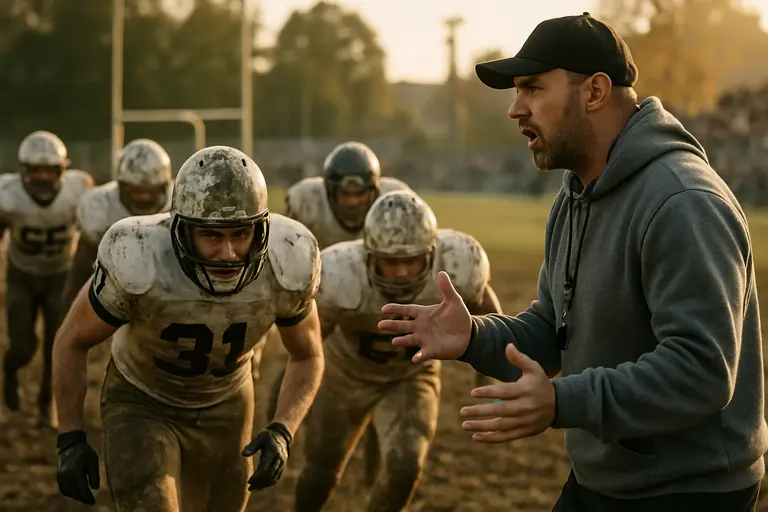
Players feel a coaching transition most clearly in daily habits. A new offense can be installed on paper. A new defense can be taught during spring and summer. But trust, accountability, and communication take longer. A senior who spent three years under one staff may need to adjust quickly, while a freshman may benefit from entering at the start of a new cycle.
That split is one of the quiet challenges of local football. The same transition can feel like disruption to older players and opportunity to younger ones. Coaches have to manage both feelings at once. If they move too fast, veterans can feel discarded. If they move too slowly, younger players may not understand the standard being built.
The Youth Pipeline Cannot Be An Afterthought
Successful high school programs often depend on what happens before ninth grade. A staff change can interrupt youth clinics, middle school communication, and informal mentorship. That does not mean a new coach fails before the first game. It means the early calendar must include more than varsity depth charts.
For Florida readers, this is where the Georgia case becomes practical. The number of openings in one neighboring state showed how quickly leadership churn can spread across a football map. A community that wants stability should ask not only who was hired, but how that coach will connect the entire pipeline: youth players, middle school coaches, junior varsity, varsity, alumni, and families.
Why Coaching Changes Matter To Local Identity
The Lesson For Florida Football Towns
Coaching changes matter because high school football is one of the few local institutions where generations gather around the same field. A new coach can bring needed energy, sharper organization, and a better fit for a school’s present needs. But the move also tests how well a community protects its identity while accepting change.
The 2026 Georgia case did not offer one simple warning. It showed a cycle shaped by many causes, from classification movement to family decisions to the normal rhythm of coaching careers. That variety is exactly why Florida communities should read the numbers with care. Turnover is not always failure. Stability is not always success. The real measure is whether the program keeps serving players and giving the town a shared place to gather.
For local football, history is not only banners on a stadium wall. It is the memory of who opened the weight room, who drove players home, who called youth coaches back, and who made Friday night feel like a public trust. When leadership changes, that memory does not disappear. It asks the next coach, the school, and the community to carry it with care.