

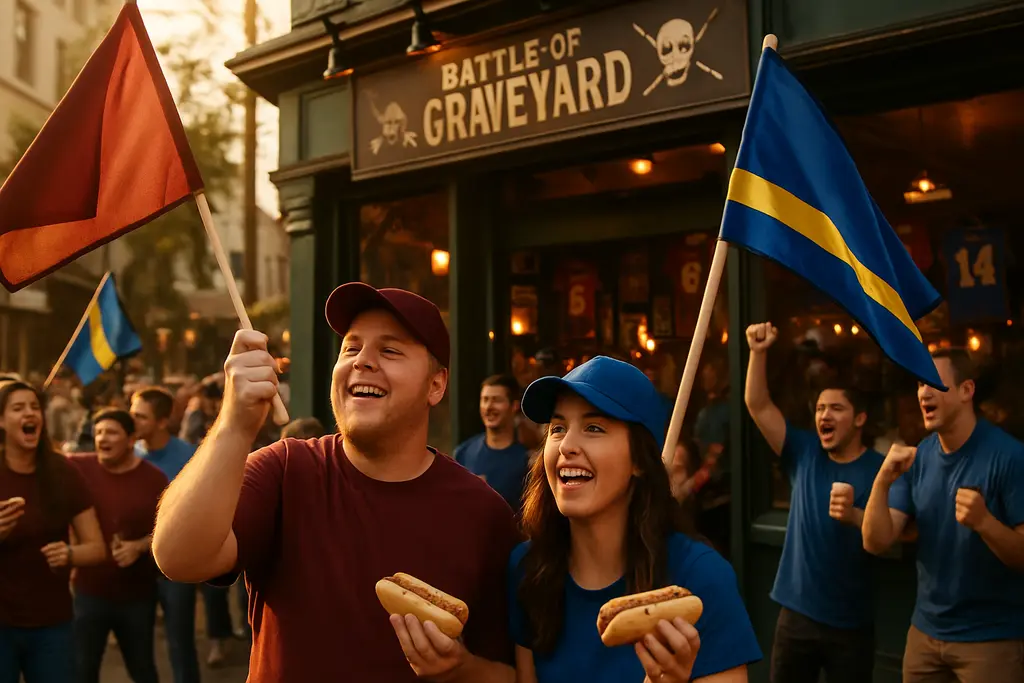
The Battle of the Graveyard became more than a high-school football game in Jacksonville on September 18, 2026. The Raines-Mandarin rivalry, staged at Earl S. Kitchings Stadium and tied to the stadium’s “Graveyard” nickname, showed how a neighborhood matchup can carry the weight of a civic event. Its economic meaning was not measured through a formal public impact report. It was seen through ticket scarcity, resale pressure, family access concerns, and the way a sold-out local game pulled attention toward one part of Duval County.
Jacksonville has long understood football as an economic engine. The city’s identity has been shaped by high-school pipelines, college rivalry weekends, and professional football Sundays. What made the Raines-Mandarin game significant was scale within a community setting. This was not a neutral-site college spectacle with corporate hospitality packages. It was a Duval County rivalry where the demand for seats became strong enough to raise questions about who gets to participate in a public-school sports tradition.
Why The Battle Of The Graveyard Became A Local Economic Story
Battle Of The Graveyard Demand Started With Community Stakes
The Battle of the Graveyard mattered because the game sat at the meeting point of sport, school pride, and local spending. Raines and Mandarin brought undefeated records into the week according to the research provided, and that competitive setup helped turn a regular-season game into a high-demand local event. In Jacksonville high-school football history, those are the conditions that make a stadium feel less like a venue and more like a gathering place for alumni, students, parents, coaches, and former players.
The strongest verified economic signal came through the ticket market. Standard tickets were listed at $10, but resale listings reached $50 to $100 after the game sold out, and Duval County Public Schools began looking into possible ticket scalping tied to the matchup, according to Yahoo Sports reporting. That detail matters because it shows a local rivalry moving from ordinary school-event pricing into a scarcity market usually associated with much larger sports events.
In a purely financial sense, higher resale prices suggest intense demand. In a community sense, they raise a harder question: if bulk buyers or third-party resellers gain access first, do longtime supporters lose the ability to attend a game that belongs to the schools and neighborhoods? That tension is why the story belongs in Jacksonville sports history. The local economy around a rivalry is not only about dollars spent. It is also about whether the people who built the rivalry can still afford to stand inside it.
Ticket Scarcity Changed The Meaning Of A High-School Gate
A high-school football ticket is usually a modest local purchase. It helps support athletics, creates a controlled gate, and gives families a direct path into the event. Once a sellout created room for resale prices, the gate became a visible symbol of economic pressure. For Raines and Mandarin supporters, the issue was not abstract. It affected students hoping to sit with classmates, parents trying to support players, and alumni who treat rivalry nights as a reunion.
Jacksonville has seen event-driven football demand before, but this case felt different because it involved public schools. If a ticket originally priced for broad community access becomes a $50 or $100 resale item, the sports economy begins to sort fans by purchasing power. That is a serious concern for any rivalry rooted in neighborhood identity.
How Rivalry Games Move Money Through Jacksonville
Small Purchases Add Up Around A Big Local Night
The economic effect of a game like this is best understood through many small transactions rather than one published impact number. Fans buy food before kickoff. Families stop for gas. Students visit convenience stores. Alumni meet at restaurants. Vendors and school-support groups benefit from game-night traffic. Even without a public revenue total for the September 18, 2026 matchup, the pattern is familiar across Jacksonville sports: when a game becomes a local occasion, spending follows the crowd.
That does not mean the high-school rivalry should be compared dollar-for-dollar with Jacksonville’s largest football events. It should not. The city’s college rivalry economy operates on a different scale. The Florida-Georgia game, for instance, remained in Jacksonville through at least 2023 under the agreement reported by Forbes. That event brings out-of-town travel, hotel demand, sponsor activity, and a downtown-centered weekend structure that a high-school game cannot match.
Still, the comparison is useful in one way: both events show that rivalry football can organize spending around identity. Florida-Georgia does it at a regional level. Raines-Mandarin did it at a Duval County level. The smaller event may not create the same hotel footprint, but it can concentrate spending in the neighborhoods and corridors closest to the stadium.
The Local Economy Includes Access, Not Just Revenue
For Jacksonville, the Battle of the Graveyard showed that the local sports economy includes access policy. A sellout can be positive for schools, but uncontrolled resale can weaken the bond between the game and its core audience. That is why Duval County Public Schools’ response mattered. The concern was not simply that tickets became expensive. The concern was that regular community members may have been pushed aside by resale behavior.
Local businesses benefit when a rivalry draws a crowd, but the schools benefit most when attendance reflects the community. A full stadium of students, parents, teachers, alumni, band families, and neighborhood supporters creates the atmosphere that gives the rivalry its value. If too many seats become speculative assets, the game risks losing part of what made demand so strong in the first place.
Jacksonville History Behind The Graveyard Effect
Raines Football Carries Neighborhood Memory
Raines football has long carried meaning beyond the scoreboard for Jacksonville’s Northside. High-school programs in Duval County have served as civic markers, places where families return across generations and where local athletes become symbols of possibility. Mandarin’s rise within the matchup added another layer: a cross-city rivalry with competitive stakes and different school communities watching the same Friday night.
The nickname “The Graveyard” gives Earl S. Kitchings Stadium a local sports character that cannot be manufactured by marketing. Stadium nicknames gain force when visiting teams, alumni, and students repeat them over years. The name turns the venue into a character in the rivalry. That matters for economic activity because people spend around places that carry meaning. A generic game draws attendees. A named rivalry at a named local venue draws memory.
Rivalry Identity Can Outgrow The Stadium
The Battle of the Graveyard also showed how a high-school rivalry can outgrow its seating capacity before it outgrows its community roots. That is a difficult balance for school districts. Larger venues can help with access, but moving games away from a home stadium can weaken the atmosphere. Smaller venues protect tradition, but they intensify ticket pressure when demand rises.
Jacksonville’s sports history is full of those tradeoffs. The city has used big games to bring people downtown, but it has also relied on neighborhood venues to keep sports close to daily life. Raines-Mandarin sits squarely in that second tradition. Its economic effect is meaningful because it begins with proximity: students know the field, families know the roads, alumni know where to meet, and local businesses understand the rhythm of game night.
What The September 18 Game Revealed About Sports Planning
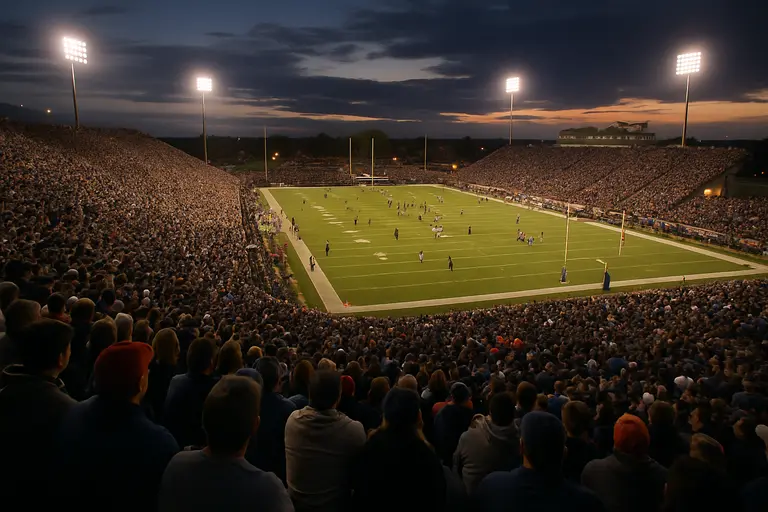
Schools Need A Fan-First Ticket Plan
The September 18, 2026 game revealed that major high-school rivalries need ticket systems built for demand spikes. A fan-first plan would protect student access, set clear purchase limits, communicate sales windows early, and reduce the chance that bulk buying crowds out local families. The goal should not be to remove excitement from the market. It should be to keep the event connected to the people who give it meaning.
That planning matters for the economy too. When families trust the ticket process, they are more likely to plan meals, transportation, and postgame gatherings around the event. When they fear being priced out, the energy shifts from celebration to frustration. For a school rivalry, that emotional shift has consequences. The game depends on community pride, and pride depends on fair access.
- Clear advance sale rules can help families plan before demand peaks.
- Purchase limits can reduce the risk of large resale blocks.
- Student and family allocations can protect the core school audience.
- Public communication can keep rumors from shaping fan behavior.
Local Businesses Benefit From Predictable Game-Day Flow
Restaurants, stores, and vendors near major rivalry games benefit most when attendance patterns are predictable. A sellout can bring strong foot traffic, but sudden resale confusion can change arrival times and reduce the number of families who linger before or after kickoff. Better ticket planning gives local businesses a clearer sense of when crowds will move through the area.
This is where sports operations and local commerce meet. The school district manages access. The teams create demand. The community supplies the atmosphere. Businesses respond to the rhythm. When each piece works, a high-school rivalry becomes a small but meaningful economic event.
Why Battle Of The Graveyard Still Belongs To Jacksonville
The Battle of the Graveyard stands as a reminder that Jacksonville’s sports economy is not built only by major college games or professional franchises. It is also built on Friday nights, school bands, neighborhood pride, and the willingness of families to spend time and money around a team that represents them.
The September 18, 2026 matchup exposed both strength and strain. The strength was obvious: demand was high enough to create a sellout and a resale market. The strain was just as clear: access became a public concern. For Jacksonville, the lesson is that rivalry value should be protected, not merely counted.
If future Raines-Mandarin games draw similar attention, the city and school district will have a chance to treat the event as part of Jacksonville’s sports heritage. That means fairer ticket controls, better communication, and respect for the local businesses that depend on game-night traffic. Most of all, it means remembering why the rivalry became valuable: not because tickets could be resold for more, but because the community cared enough to fill The Graveyard in the first place.