

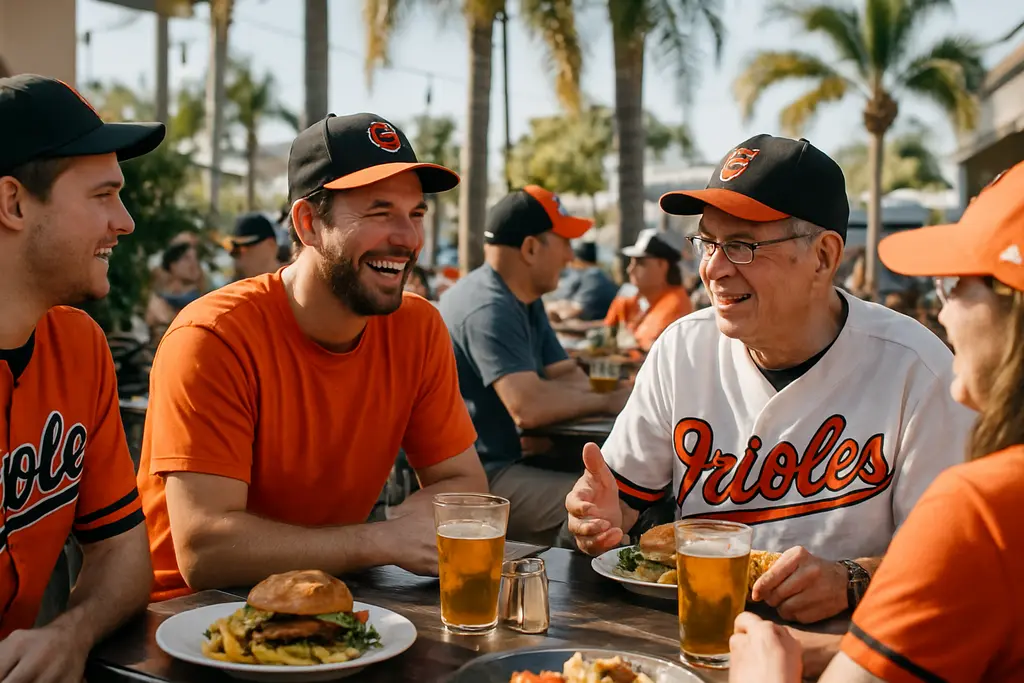
Orioles spring training has become one of Sarasota County’s clearest examples of how a team’s seasonal presence can stretch well beyond the ballpark gates. The Baltimore Orioles’ operations at Ed Smith Stadium, their minor league training activity, and year-round events generated more than $72 million in economic impact in Sarasota County from July 1, 2022 through June 30, 2023, while creating more than 970 jobs, according to an Orioles economic impact release. For a county that treats spring baseball as both a sports tradition and a visitor economy driver, those numbers help explain why the team’s Sarasota footprint remains a civic sports story, not just a March schedule item.
Orioles Spring Training As A Sarasota Sports Economy Marker
The strongest takeaway from the available data is that the Orioles’ presence in Sarasota has functioned as a year-round sports asset. The 2022-23 reporting period counted Spring Training, minor league training facilities, and events. That distinction matters because the economic story is not limited to fans buying a ticket for one Grapefruit League afternoon. It includes staff, visiting fans, team operations, facility use, hotel stays, restaurant spending, retail activity, youth programming, and the general rhythm that comes with a Major League Baseball organization operating in a county-owned sports setting.
Why Orioles Spring Training Spending Reaches Beyond The Stadium
The same 2022-23 period included more than $19.2 million in attendee spending at Sarasota County hotels, restaurants, and retail establishments. The Orioles also reported that annual attendee spending by locals and visitors has averaged more than $14 million per year. That is the kind of local sports spending that business owners can feel on game days and around event weekends, especially near the ballpark and in travel corridors used by visiting fans.
From a fan engagement angle, the data shows how spring baseball links sport and place. A day at Ed Smith Stadium is not only a baseball outing. It often becomes a Sarasota visit built around family travel, pregame meals, postgame stops, hotel nights, and repeat routines. For local residents, that creates a familiar seasonal calendar. For Baltimore fans, it builds a second-home connection to Sarasota that can outlast a single roster cycle.
The Statewide Context Behind The County Numbers
The Orioles’ 2022-23 operations generated more than $86 million in economic impact across Florida and more than 1,000 jobs statewide. Sarasota County carried most of the direct identity in that report, but the Florida-wide figure shows how Spring Training works as a connected sports economy. Teams draw fans through airports, highways, hotels, and nearby destinations, with spending patterns that rarely stay inside one municipal boundary.
The long-term total makes the pattern more visible. Since 2015, the Orioles’ cumulative economic impact was reported at nearly $584.5 million in Sarasota County and more than $686 million statewide. Those figures do not tell us everything about profit, public cost, or return by sector, but they do give Sarasota a measurable sports-business baseline. In a region where tourism, youth sports, and winter visitor patterns all overlap, Ed Smith Stadium operates as a local anchor for baseball activity.
What The Trend Data Says About Fan Demand
Attendance is one of the simplest ways to understand whether a sports operation has become part of local culture. Since the Orioles made Ed Smith Stadium their Spring Training home beginning in 2010, more than 1.3 million people have attended Orioles Spring Training games in Sarasota. That total shows sustained fan movement through the venue across many rosters, managers, and competitive phases for the Major League club.
Attendance As A Community Signal
In local sports, attendance is never just a head count. It reflects habits. It reflects whether families keep returning, whether visiting fans build annual trips, and whether a stadium becomes a known place in a county’s sports identity. Ed Smith Stadium has served that role for Sarasota because the Orioles’ schedule gives the area a recurring baseball point on the calendar, while the team’s training setup keeps the organization tied to the county outside the narrow Spring Training window.
The reported job totals also matter because they attach labor value to that fan demand. More than 970 Sarasota County jobs tied to the 2022-23 Orioles impact means the games and facilities supported work across event operations, hospitality, food service, lodging, transportation, and related activity. The source material does not break out every job category in the research provided, so it would be wrong to assign exact shares by industry. Still, the county-level number signals that the team’s presence touches more than ticket scanning and concessions.
A Comparison Point From The 2017-18 Fiscal Year
The 2017-18 fiscal year provides a useful earlier benchmark. During the period from July 1, 2017 through June 30, 2018, the Orioles’ total economic impact in Sarasota County was reported at $92 million, down from $97 million the prior year, while the cumulative total since 2015 had reached more than $360 million by that point, according to Sarasota Magazine’s report. Read alongside the later 2022-23 figure of more than $72 million in county impact, the data suggests that reported totals can shift by period, conditions, and activity mix.
That variation should not be read as a simple win-loss record for the local economy. Economic impact reports depend on attendance, operations, event calendars, visitor behavior, and spending assumptions. The safer interpretation is that the Orioles have remained a significant sports-economy presence across multiple reporting windows, even as the exact total has moved from one fiscal period to another.
Community Value Beyond The Box Score

The Orioles’ Sarasota story is also about how a Major League club becomes part of a local sports network. Since 2010, the organization has contributed more than $3.9 million in cash and in-kind donations to local Sarasota organizations through youth baseball clinics, food drives, health and fitness programs, and other charitable efforts. That figure belongs in the same conversation as attendance and economic impact because community trust is part of franchise stability in a Spring Training market.
Youth Baseball And Local Identity
For young players in Sarasota, access to a Major League training environment carries symbolic value. The research provided does not name individual clinics, participants, or outcomes, so the analysis should stay grounded: the documented contribution total shows that the Orioles have invested resources in local organizations and programming. That kind of activity helps connect professional baseball to youth participation, family attendance, and the county’s broader sports identity.
Team dynamics extend beyond the clubhouse in a Spring Training city. Players and staff rotate through, but the host community stays. When a club supports clinics or health-related initiatives, it gives local families more ways to see the team as part of Sarasota rather than as an annual visitor passing through for exhibition games. That relationship can deepen fan loyalty even when the Major League roster changes from one season to the next.
Why Year-Round Operations Change The Sarasota Conversation
One of the most useful parts of the reported data is the year-round framing. Many fans think of spring baseball as a short burst of games. The Orioles’ Sarasota operation is broader, with minor league training facilities and events included in the 2022-23 impact total. That changes how local leaders, fans, and businesses should talk about the team. The club’s presence is not only a sports tourism spike; it is part of a continuing facility and programming cycle.
For Sarasota, that cycle can help smooth the difference between event days and quieter periods. It also reinforces why sports infrastructure matters. A stadium and training complex are not passive buildings. They create schedules, bring in people, support work, and give the county a recurring baseball identity that can be measured through both attendance and spending.
What Orioles Spring Training Means For Sarasota
Orioles spring training means Sarasota has a sports property with measurable local pull, repeat visitors, and a community role that goes beyond the Grapefruit League standings. The reported county impact of more than $72 million in 2022-23, the more than 970 Sarasota County jobs, the more than 1.3 million Spring Training attendees since 2010, and the nearly $584.5 million in cumulative county impact since 2015 all point to a team operation that has become part of the area’s sports economy.
The best way to read these figures is with both pride and care. The numbers are large, but they are not magic. They reflect fans who travel, workers who staff events, businesses that serve visitors, and facilities that need continued use to justify their value. They also reflect a local culture that has accepted baseball as part of Sarasota’s seasonal identity.
For fans, the message is straightforward: every ticket scanned at Ed Smith Stadium sits inside a larger community pattern. For local businesses, the Orioles provide a recurring sports calendar that can shape staffing, inventory, and customer flow. For Sarasota County, the data gives a way to evaluate how professional baseball fits beside beaches, arts, youth sports, and winter tourism. That is why the Orioles’ presence remains one of the county’s most useful case studies in how local culture and athletics can support each other through consistent, measurable engagement.