

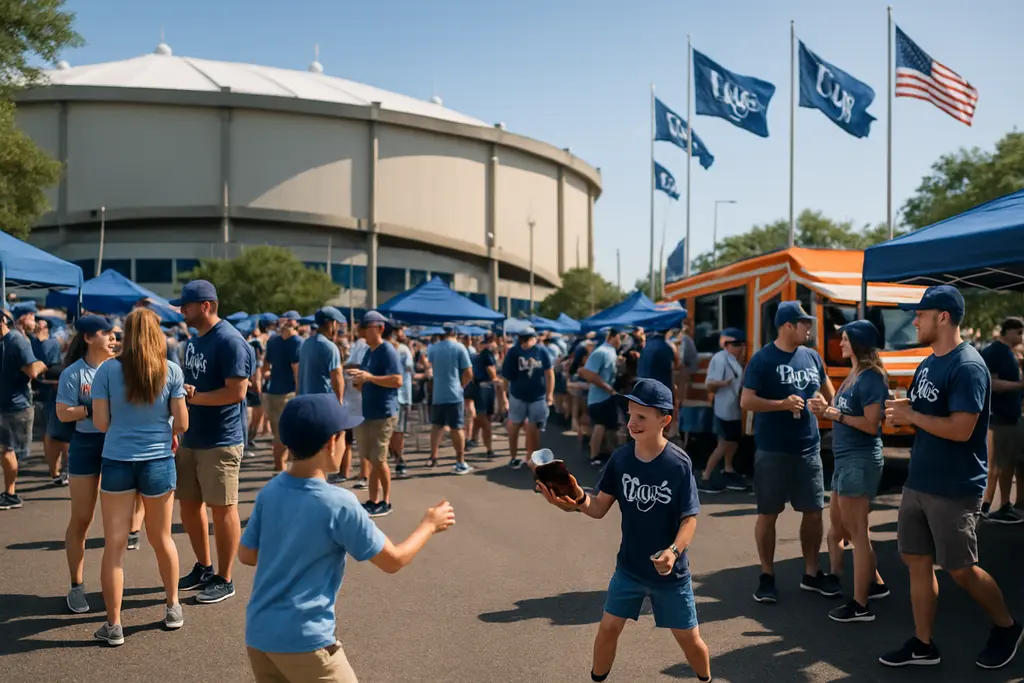
The Tampa Bay Rays Stadium proposal has become more than a ballpark question for Tampa sports fans. As of September 7, 2026, it is a debate about where the Rays fit in the city’s daily sports rhythm, how families build game-day habits, and whether a mixed-use district can make baseball feel more connected to Tampa’s neighborhoods rather than separated from them.
On May 14, 2026, the Rays, Hillsborough County, and the City of Tampa reached a non-binding Memorandum of Understanding for a proposed ballpark of about $2.3 billion as part of a mixed-use district on the Dale Mabry campus of Hillsborough College, according to MLB’s report on the MOU. That date matters because it shifted the conversation from a familiar stadium wish list into a more defined civic and sports-business proposal.
The proposal still required public approvals as of September 7, 2026. The city council and county commissions were expected to vote in September 2026, and the Rays were aiming for Opening Day of the 2029 MLB season if the plan advanced. Until those votes and agreements are fully settled, every projection should be read as part of a proposed project, not a finished outcome.
What The May 2026 Agreement Set In Motion
A Proposed Ballpark With Regional Stakes
The May agreement gave Tampa a clearer framework for a question that has followed the Rays for years: what kind of home can keep Major League Baseball rooted in the region while building stronger fan habits? The proposed site on the Dale Mabry campus places the discussion in a part of Tampa that already carries daily commuter traffic, education activity, local business movement, and youth-sports connections.
That setting is central to the fan-zone angle. A stadium does not create culture by itself. Culture comes from repeated routines: where families park, where students gather, where office workers meet before first pitch, where kids see baseball as part of their city instead of an occasional trip. If Tampa’s baseball home is built with those patterns in mind, the effect could be felt well beyond the 81-game home schedule.
Why Timing Matters For Fans
The 2029 target, if approvals hold, gives fans, businesses, youth leagues, hospitality groups, and neighborhood stakeholders a planning window. That does not mean every detail is fixed. It means Tampa can start asking better questions now: What will access look like on weeknights? How will transit and parking be handled? Which local businesses can benefit without being priced out? How will the Rays create places where fans arrive early and stay after the final out?
For a market that has often debated attendance through a narrow lens, the better question is whether the proposed district can change the full outing. Baseball thrives when the ballpark is easy to make part of a normal Tampa week. That includes school nights, summer heat, weekend family plans, and visitors who build a trip around more than the game itself.
Tampa Bay Rays Stadium And The Fan Zone Shift
Tampa Bay Rays Stadium As A Year-Round Anchor
The planned game-day upgrades in the research notes point toward interactive fan zones, social areas, shared gathering spaces, public-use areas, small-business opportunities, local hiring, youth sports, transportation infrastructure, and community amenities. Those pieces matter because they suggest a site meant to operate beyond first pitch and the ninth inning.
For Rays fans, that could change the emotional texture of a home game. A better fan zone is not just a place to pass time. It is where grandparents meet younger fans before the gates open, where youth teams feel connected to the big-league club, and where casual supporters become regulars because the event feels easier and more social.
The Tampa Bay Rays Stadium conversation should be judged partly on whether it can make baseball feel local on non-game days. Concerts and community events can keep the site active, but the Rays’ identity has to remain at the center. If the district becomes recognizable as a baseball place first, it can help create the kind of civic attachment that turns a venue into a shared Tampa habit.
Indoor Design And The Florida Sports Calendar
The research notes describe the proposed ballpark as a 30,000-seat indoor facility designed for baseball, concerts, community events, and other large gatherings. In Tampa, that indoor component is not a side detail. Summer weather, heat, lightning, and humidity all shape Florida sports attendance. A controlled setting could make weeknight baseball more practical for families and could reduce some of the weather uncertainty that affects planning.
That matters for fan engagement because comfort often decides whether casual fans become repeat fans. A parent weighing a school-night game, parking, dinner, and the drive home may view the experience differently if weather delays and heat exposure are less of a concern. Team performance will always lead the conversation, but venue comfort can shape whether the crowd feels consistent.
Economic Projections And Public Questions
What The Available Numbers Say
The economic projections attached to the proposed district are large, and they should be discussed with care. WUSF reported that an AECOM analysis commissioned by the Tampa Sports Authority estimated about $75 billion in economic impact over 30 years from the stadium and surrounding mixed-use development, with Phase 1 projected at about $1.4 billion in assessed value by 2034 and the full Stadium District projected at about $4.8 billion by 2058, according to WUSF’s economic impact report.
Those figures frame why local officials, business owners, and residents are watching closely. A stadium district can influence restaurants, hotels, transportation providers, event workers, nearby retail, security staffing, maintenance, and public services. Yet projections are not guarantees. They depend on the final agreement, build-out pace, tenant mix, event calendar, access planning, and whether local spending is genuinely new or shifted from other parts of the region.
The Community Test Behind The Dollars
The fiscal and development numbers will draw headlines, but the community test is more direct: who benefits, and how often? Local hiring promises, youth-sports connections, public gathering areas, and small-business access will matter to fans who want the Rays to feel like a Tampa institution rather than a private project with public consequences.
This is where sports infrastructure connects with the broader Tampa conversation. The city is already thinking about how facilities shape identity, including college athletics projects covered in our look at USF athletics investments. The Rays proposal sits in that same civic sports lane, but with MLB scale and a much larger year-round development footprint.
Game-Day Culture From Dale Mabry To Local Businesses
How A District Could Change The Routine
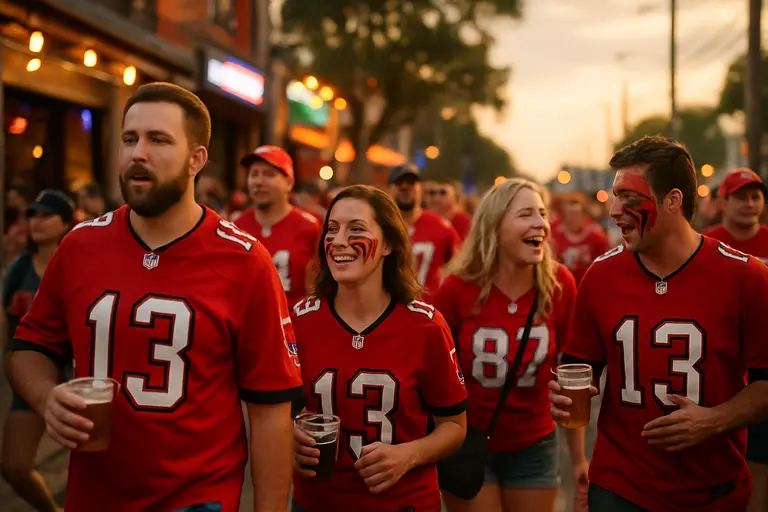
A successful baseball district changes more than where fans sit. It changes how they move. On a strong game day, people arrive in waves: after work, after school, before dinner, from nearby neighborhoods, from across the bay, and from hotels. The mix of parking, walking routes, rideshare zones, transit options, and nearby food choices can decide whether the experience feels inviting or exhausting.
For Tampa, the Dale Mabry setting would make access planning one of the defining fan issues. The proposal’s value to game-day culture will depend on whether families can build predictable routines around it. A fan zone that works only for weekend crowds will not be enough. Baseball’s strength is repetition, so the site has to work on Tuesdays, summer afternoons, rivalry weekends, and community-event dates.
- Families will need clear parking and entry patterns that reduce friction before first pitch.
- Local businesses will need fair chances to serve fans before and after games.
- Youth sports groups will need visible connections to the Rays brand and ballpark experience.
- Visitors will need lodging, dining, and transportation options that make a Rays trip feel easy to plan.
Why Fans Will Judge The Feel, Not Just The Renderings
Renderings can show a vision, but fans judge a stadium by repeated experience. Is it easy to get there? Is there something for kids before the game? Can a group meet without fighting traffic for an hour? Do small businesses feel present? Does the building sound like a Rays home when the game turns tight in the late innings?
If the Tampa Bay Rays Stadium plan advances, those details will become the real fan-zone scoreboard. The Rays do not need a district that feels generic. They need one that reflects Tampa’s baseball families, Latin food culture, youth diamonds, summer nights, and the cross-bay nature of the fan base.
Why The Tampa Bay Rays Stadium Decision Matters For Tampa
The strongest case for the Tampa Bay Rays Stadium proposal is not only that it could produce major economic activity. It is that it could give Tampa a more stable baseball center, one tied to daily local life rather than occasional event traffic. That is the standard the project should be held to as public votes and agreement details move through September 2026.
For fans, the question is personal. A new home would affect where they meet friends, how they introduce children to the Rays, how often they attend games, and whether baseball feels like a natural part of Tampa’s sports calendar. For local businesses, the question is whether the district creates repeatable traffic and fair access. For the team, the question is whether a proposed home can deepen loyalty in a market that has long been asked to prove its baseball commitment.
The proposal remains unfinished as of September 7, 2026, so certainty would be premature. What is clear is that the decision reaches far beyond architecture. It reaches into Tampa’s sports identity, neighborhood planning, youth baseball culture, and the everyday routines that turn a team from something people follow into something people share.