

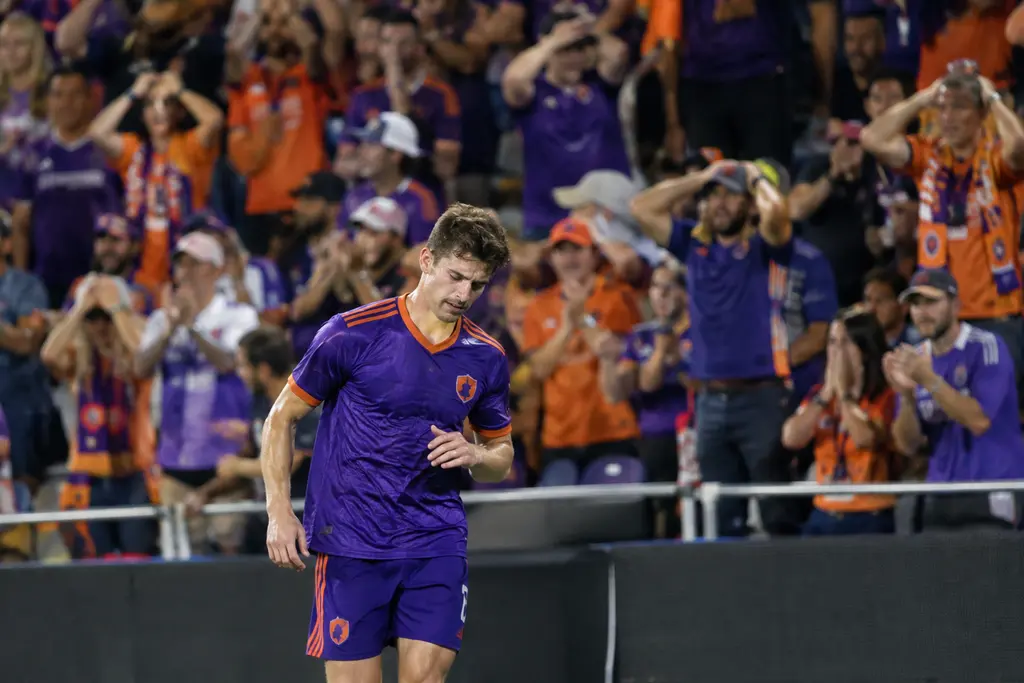
The Orlando City Draw on Saturday, October 24, 2026, gave the Inter&Co Stadium crowd a match that turned on timing, control, and fatigue as much as finishing. Orlando City led New York City FC after Martín Ojeda scored in the 49th minute, but Jonathan Shore’s 99th-minute goal left the match at 2-2. For a home side that had already fought back from an early deficit, the result felt less like a single late mistake and more like a full-match lesson in how pressure builds.
Orlando entered the night at 12-13-6 with 42 points, while NYCFC came in at 8-12-11 with 35 points, and the match ended 2-2 at Inter&Co Stadium, according to Orlando City’s official match report. The numbers matter for context, but the local story sat inside the last half-hour. Orlando had the crowd, the lead, and one of its best creators directly involved in both home goals. NYCFC still found enough late territory to make the final corner sequence count.
Why The Orlando City Draw Turned Late
The Scoring Timeline Set Up The Tension
NYCFC struck first through Alonso Martínez in the 18th minute, Antoine Griezmann equalized for Orlando in the 32nd, Ojeda put Orlando ahead in the 49th, and Shore scored in second-half stoppage time, with CBS New York reporting the late equalizer as part of its match coverage. That sequence created three different phases. NYCFC controlled the opening mood. Orlando answered before halftime. Orlando then had to manage a one-goal lead for nearly an entire half.
That last phase was the hardest. Protecting a lead at home is not just about dropping deeper and clearing crosses. It requires clean possession after recoveries, enough midfield pressure to slow the next wave, and wide players who can block service without opening central space. Orlando had moments where the structure held, but the longer the match stretched, the more each clearance invited another defensive action.
Orlando City Draw And The Timing Shift
The Orlando City Draw swung on the difference between being ahead and being in control. Orlando had the scoreboard advantage after the 49th minute, yet NYCFC’s late push forced the Lions into a narrower match. That can wear down a back line even without a clear statistical breakdown from the approved sources. A team defending a lead for that long has to keep communication sharp through substitutions, stoppages, and crowd noise.
From a strategist’s view, the key question is whether Orlando could have changed the field position earlier. A lead becomes safer when the ball spends more time in the opponent’s half, even if the attacking chances are not clean. The home side had already shown it could combine through Ojeda, so the late issue was not chance creation in isolation. It was sustaining enough possession to keep NYCFC from stacking pressure near the box.
Ojeda’s Creation And Orlando’s Local Identity
Ojeda’s Two Touches Shaped The Match
Ojeda was the central Orlando figure because he assisted both goals and scored the go-ahead goal. Orlando’s official report also stated that his assist on Griezmann’s equalizer tied him with former captain Mauricio Pereyra for the most assists in club history across all competitions, at 47. That is not just a record note. It speaks to the way Orlando’s attack has relied on a creator who can connect phases quickly and give the home crowd a reason to believe a game can turn.
His value showed in the rhythm of the match. After Martínez put NYCFC ahead, Orlando needed a response that did not feel forced. Ojeda helped supply it. After halftime, he gave Orlando the lead before the match had settled into its second-half pattern. That is the kind of timing coaches love because it rewards halftime adjustments and puts immediate pressure on the visitor.
Why The Local Crowd Read Ojeda Differently
For Orlando supporters, Ojeda’s night carried more weight than a simple goal-and-assist line. Inter&Co Stadium has seen him grow into one of the club’s reference points, and performances like this frame him as both a chance creator and a tempo setter. In a market where fans track player identity closely, that matters. A player who can deliver in front of the Wall becomes part of the matchday conversation from tailgate to postgame traffic.
The frustration was that his influence did not close the match. Orlando’s best attacking moments gave the Lions the lead, but the late defensive sequence meant those moments became part of a draw rather than a home win. That gap between individual attacking quality and collective match management is where this result should sit in the club’s review.
NYCFC’s Pressure Changed The Match Rhythm
Late Territory Became A Tactical Weapon
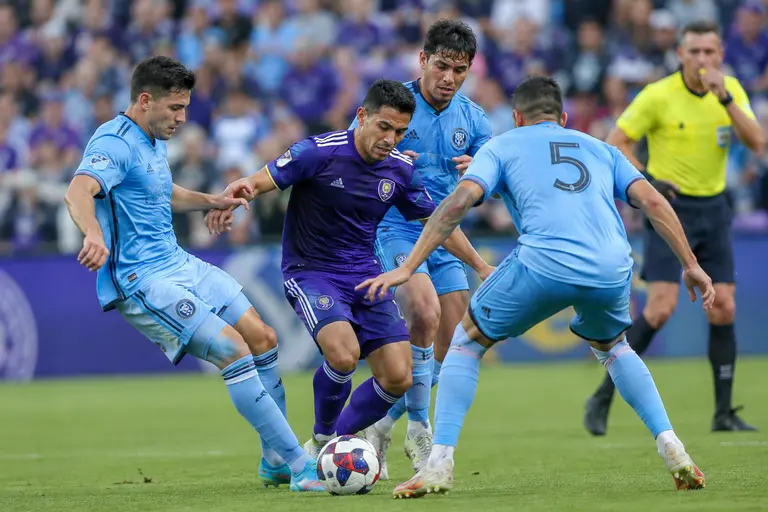
NYCFC’s equalizer did not arrive from nowhere. Even without relying on unapproved data points, the match record supports a clear reading: the visitors kept the game alive long enough to score in the 99th minute. That alone says Orlando had to defend deeper and longer than it wanted after taking the lead.
The best late-game pressure does two things. It increases the volume of defensive decisions, and it tests whether tired players still track runners with the same sharpness they had in the 55th minute. Shore’s goal showed how one final service, one final duel, and one final reaction can outweigh long stretches of earlier work. For Orlando, the painful part was that the lead had survived so much of the second half before cracking at the last possible stage.
Fatigue Was Part Of The Read, With Some Uncertainty
Player fatigue appeared to be a sensible explanation for the late shape of the game, but the approved reports do not provide tracking data, sprint counts, or medical detail. That means the analysis has to stay grounded. What can be said is that Orlando defended a lead from the 49th minute until stoppage time, and NYCFC’s final goal arrived after a long period of accumulated pressure.
That is where fatigue becomes tactical rather than just physical. Tired legs affect the first step toward a runner. Tired minds affect whether a defender passes off a mark or stays attached. Tired midfielders can arrive a half-second late to the ball that prevents a cross or corner. Orlando’s staff did not need a dramatic collapse to lose the result; a small late drop in spacing was enough for NYCFC to punish the moment.
What The Orlando City Draw Says About Match Management
The Lesson For Orlando’s Staff
The staff review likely centered on how Orlando handled the game after going ahead. The attacking plan produced two goals and put Ojeda in high-value spots. The defensive plan held for a long stretch. The missing piece was the bridge between those two parts: how to defend without giving up too much territory, and how to use possession as a defensive tool.
That matters because MLS matches often swing late, especially when one side is chasing and the other is protecting. Orlando did enough to be in position for three points. NYCFC did enough to keep asking questions until one answer finally arrived.
The Local Fan Takeaway
For local fans, the Orlando City Draw was both entertaining and aggravating. It gave the home crowd Griezmann’s equalizer, Ojeda’s go-ahead moment, and a strong reminder of Ojeda’s place in club production. It also showed why late-game defending is a full-team job, not a back-line issue alone.
The match will be remembered at Inter&Co Stadium for the stoppage-time sting, but it should also be read as a useful snapshot of Orlando’s identity. The Lions had enough creativity to flip the match, enough support in the building to make the response feel real, and enough late pressure against them to expose the cost of not finishing the job. That is the sports lesson from October 24: control has to last longer than the lead.