


Alachua Stadiums became more than a facilities issue after the Alachua County School Board voted on October 6, 2026. The decision touched high school football, school pride, transportation, band nights, soccer schedules, family routines, and the question of whether county sports investments are being spread fairly. For Buchholz High supporters, the vote represented a long-sought move toward an on-campus game-day home. For critics, it raised fresh concerns about cost, priority, and what Gainesville, Eastside, and other school communities might be left asking next.
The board approved both purchasing and renovating Citizens Field and building a new stadium at Buchholz High School in a 3–2 vote on October 6, with Tina Certain and Sarah Rockwell dissenting, according to AOL’s report on the vote. That split matters because the reaction has not followed a simple pro-stadium or anti-stadium line. Many people who value local athletics still questioned whether the county had found the right balance between one school’s needs and shared facilities used across Gainesville.
Why The Alachua Stadiums Vote Hit Fans Hard
What Alachua Stadiums Mean For Buchholz Families
For Buchholz families, the strongest argument centered on proximity and identity. Public comments cited in local coverage included parents who described long travel to Citizens Field as a burden and framed an on-campus stadium as a safer, more fitting environment for students. That point lands with anyone who has watched a high school football Friday become a full-family logistics test: leaving work early, moving students across town, coordinating younger siblings, parking, weather, and postgame pickup all before the school week fully ends.
An on-campus stadium can change how a school experiences sports. It can make pep rallies feel connected to kickoff. It can keep student sections closer to classrooms and hallways. It can allow football, soccer, lacrosse, flag football, band, and other groups to build routines around a familiar place rather than a shared off-site schedule. That is why the Alachua Stadiums decision carried emotional weight for supporters who saw the vote as a step toward giving Buchholz a fuller home-field identity.
Citizens Field Still Carries Countywide Weight
Citizens Field is not just another venue in this debate. It has served as a central high school football site for Gainesville-area programs, which is why its purchase and renovation drew support even from some people who had concerns about adding a Buchholz project at the same time. A renovated Citizens Field could keep a shared venue in the local sports mix, especially for schools and events that depend on a countywide stadium setting.
That shared identity is also why the vote stirred unease. If Citizens Field remains a county asset while Buchholz gains its own stadium, fans and families naturally ask what happens to the schools still tied to shared arrangements. Gainesville high school sports have long been part competition, part neighborhood gathering, and part civic mirror. Facility choices tell families which programs are being given space to grow and which ones are being asked to keep adapting.
The Cost Debate Around Buchholz And Citizens Field
Why Dissent Centered On Equity
The financial argument was central to the split. Mainstreet Daily News reported study estimates of $24,776,531 for a Citizens Field rebuild or renovation, $18,516,207 for a new Buchholz stadium, and $17,587,793 for a potential Eastside stadium, while also reporting that Certain and Rockwell opposed the combined direction as fiscally irresponsible in light of broader facility needs in its account of the board approval. Those figures shaped much of the community reaction because they placed sports infrastructure beside other school building priorities.
For fans, cost is not an abstract spreadsheet line. It affects whether bleachers are safe, whether restrooms work on crowded nights, whether lighting supports late games, whether concessions can serve families, and whether teams can host events without turning every week into a transportation puzzle. Still, cost also affects classrooms, maintenance, and upgrades across the district. That tension explains why people could support better athletic facilities and still object to the timing or structure of the vote.
How Facility Gaps Shaped The Reaction
Equity concerns have been the hardest part of the stadium conversation because they tie sports pride to school opportunity. Some critics argued that Buchholz already had stronger athletic resources than other county schools and worried that approving a new campus stadium could widen the gap. Even without treating every school’s needs as identical, the public reaction showed a clear expectation that district leaders explain why one site moves first, why another waits, and how shared venues will serve students who do not receive a new home field.
For many supporters, Alachua Stadiums should be judged by how they serve students beyond varsity football. That is a fair standard. A stadium can support marching band performances, senior nights, soccer matches, lacrosse schedules, flag football, youth events, and community gatherings. But the same standard also raises the pressure on the district to show how Gainesville and Eastside athletes, musicians, and families fit into the plan after the October 6 vote.
Game-Day Logistics And Local Identity
An On-Campus Field Changes School Rhythm
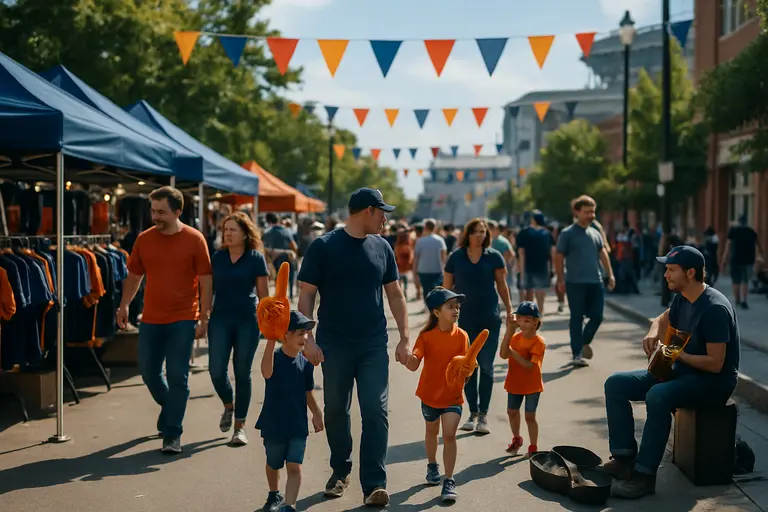
The Buchholz argument was strongest when it moved away from concrete and steel and toward daily life. An on-campus stadium can reduce travel time, simplify supervision, and keep students closer to school staff after games. It can also help coaches manage practice-to-game transitions, especially for multi-sport athletes and programs sharing field time. Those benefits are real in a county where Friday nights often depend on parents, buses, volunteers, police support, and athletic staff all pulling in the same direction.
There is also a fan-culture piece. High school football is local by design. The home crowd is usually made of classmates, grandparents, teachers, youth players, neighbors, and alumni who still know the fight song. If Buchholz eventually hosts true campus home games, the feel around the program could shift. More students may stay through the fourth quarter. More families may treat games as school events rather than cross-town trips. More alumni may see the stadium as part of campus memory.
Shared Venues Still Shape Fan Culture
Citizens Field, though, remains part of the Gainesville sports identity. A shared venue can create neutral-ground energy, doubleheader possibilities, and a broader county feel that one campus stadium cannot replace. It also gives programs without their own stadium a place to gather with scale. That is why the renovation side of the vote should not be treated as secondary. If the county spends major money on Citizens Field, families will expect a safer, better-run, more reliable game-day experience.
The local conversation also connects with earlier questions about how Gainesville balances school budgets, city planning, and high school football culture. Our prior coverage of the Citizens Field debate traced why one stadium discussion can quickly become a wider civic argument. The October 6 vote did not end that argument; it gave it a new shape.
What The Stadium Decision Means For Gainesville Fans
The next phase for Gainesville fans is not about choosing one school’s pride over another’s. It is about asking whether the final buildout matches the promises that carried the vote. Buchholz supporters will judge the project by whether students get a safe, functional home venue. Citizens Field users will judge the renovation by whether it improves the shared game-night experience. Critics will judge the district by whether cost controls, public communication, and future facility choices answer the equity questions raised before and after October 6.
For teams, the decision could affect more than where games are played. Venue access shapes practice routines, event scheduling, marching band preparation, family attendance, and the atmosphere players feel before kickoff. For fans, it shapes parking, travel time, school-night planning, and the sense that a stadium belongs to them rather than merely hosting them.
The lasting test for Alachua Stadiums will be whether the county can turn a divided vote into better Friday nights across the system. If Buchholz gains a stronger campus identity and Citizens Field becomes a better shared venue, the sports case will be easier to defend. If other schools feel pushed further behind, the October 6 decision will remain a flashpoint every time lights come on for a local game.